Money & Markets
Friday the 13th, 1307
The Knights Templar ran Europe's first international bank: deposit in London, withdraw in Jerusalem by letter of credit. Their biggest debtor was the King of France. On a single Friday morning, he erased the debt by erasing the bank.
France, 1307–1314 · The Knights Templar & Philip IV
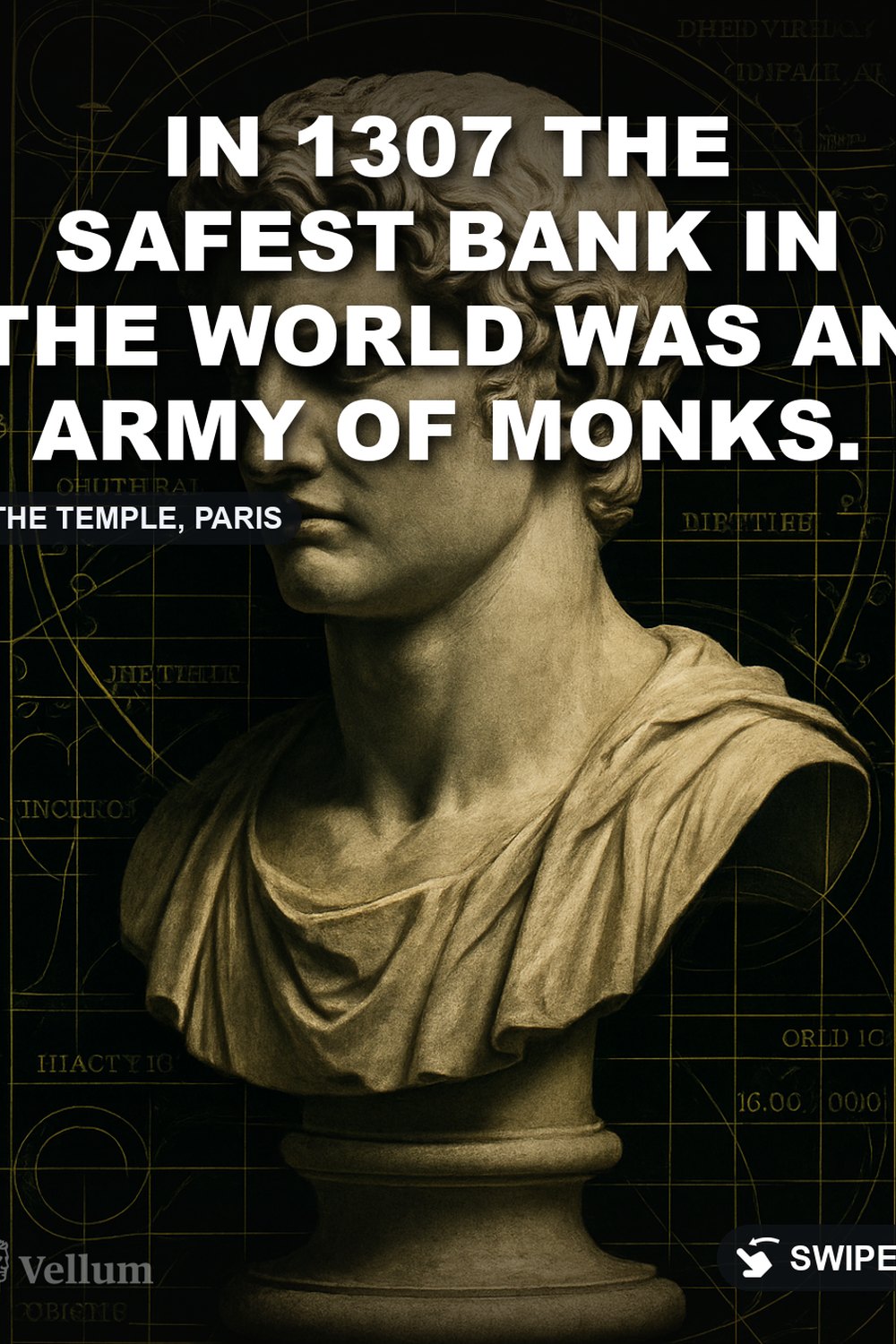
What actually happened
In September 1307 Philip IV sent sealed orders to every royal officer in France, not to be opened until the night of October 12. At dawn on Friday the 13th, the arrests happened everywhere at once, a coordinated national operation in an age of horseback messengers. The charges (heresy, idolatry, spitting on the cross) had been drafted in advance; the seized assets and extinguished debts had not needed drafting at all.
Under torture many Templars confessed and later recanted. Pope Clement V dissolved the order in 1312. In March 1314 Grand Master Jacques de Molay, recanting at the stake, was burned in Paris. Legend says he cursed king and pope, and both were dead within the year. The curse is legend; the debt relief was real.
Historians still weigh how much was fiscal motive versus royal control of a stateless army. The episode presents both readings.
The longer arc
The order had started two centuries earlier as nine knights protecting pilgrims on the road to Jerusalem. Papal decrees, especially Omne Datum Optimum in 1139, exempted the Templars from local taxes and bishops' authority and let them operate across borders as a single legal entity, which is exactly what let a religious order become a bank. Donations of land and money poured in from nobles seeking to fund the crusades or their own souls, and by the 1300s the Paris Temple functioned as a de facto treasury for the French crown itself.
Pope Clement V formally transferred most Templar property to the rival Hospitallers in 1312, though the actual handover dragged on for years while monarchs skimmed what they could first. Portugal took a different path: it simply renamed its Templar holdings the Order of Christ in 1319, keeping the same men, buildings and wealth intact. A century later, that inherited fortune funded Prince Henry the Navigator's voyages down the African coast, meaning Templar money, filtered through a rebranded order, helped bankroll the start of Portugal's age of exploration.
The play to remember
The play.
A debt is only as safe as the creditor is powerful.
Lending to your sovereign means your sovereign can erase you.
Was this interesting?
Select an option to vote. You can change it anytime.
Recommended for You
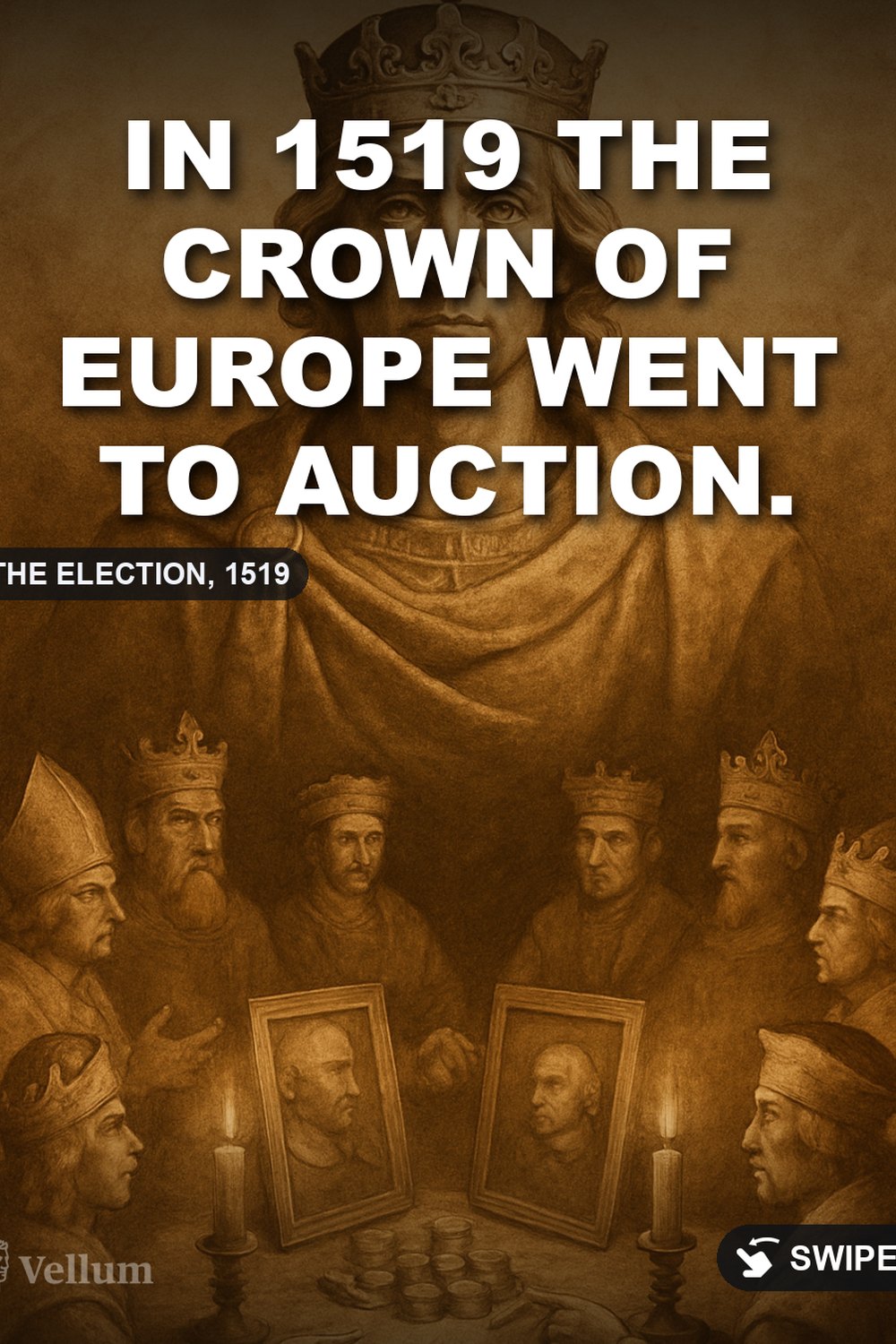
The Receipt
In 1519 the crown of the Holy Roman Empire went to auction between kings, and the winning bid came from a commoner. Four years later, with the emperor stalling on the debt, Jacob Fugger sent him what history remembers…
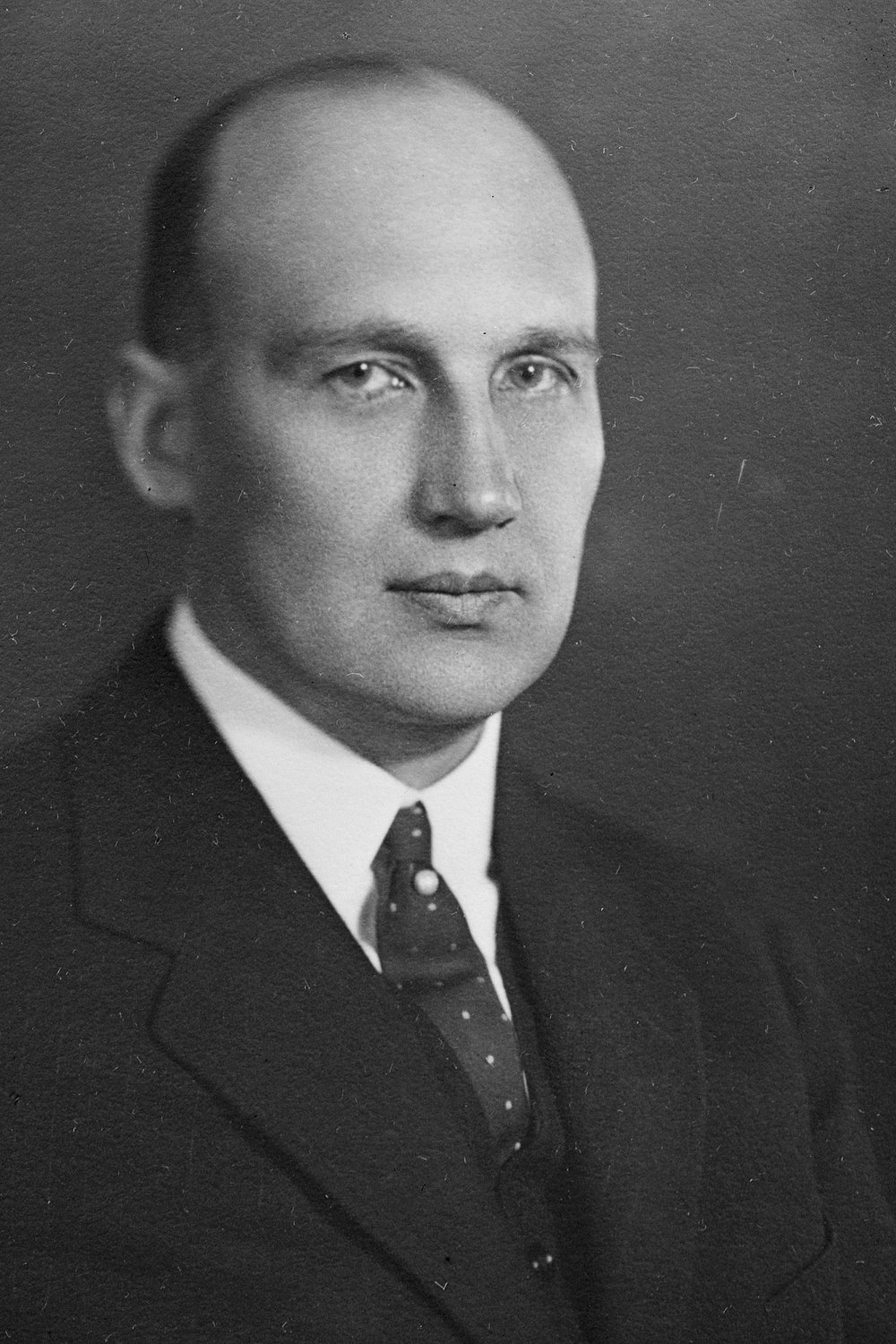
The Match King
By 1929 Ivar Kreuger controlled two-thirds of the world's match production and was lending sovereign nations more money than J.P. Morgan. A meaningful part of the collateral was $100 million of Italian government bonds…
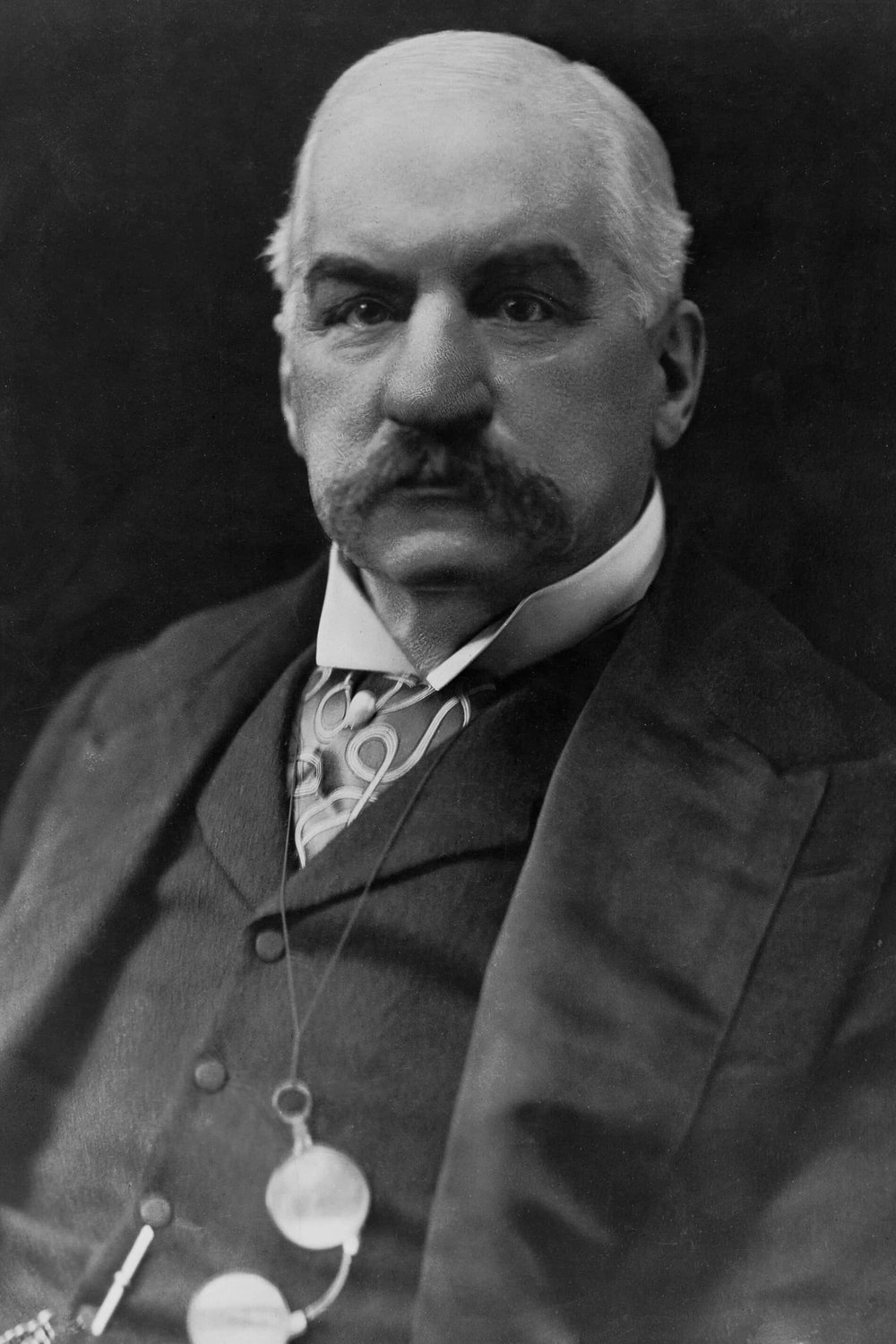
The Locked Library
In the autumn of 1907, with banks failing and no central bank existing, one private citizen reportedly kept the heads of American finance in his library until dawn, until they pledged the money to stop the run. One of…

Newton's Madness
Isaac Newton sold his South Sea Company shares in April 1720 at a solid profit. Then he watched the bubble triple without him, bought back in near the top, and lost a fortune, around £20,000, a lifetime of income.
Tired of Fighting
Jesse Livermore shorted the 1929 crash and, by the widely reported figure, made around $100 million while the country broke. America blamed him for it. Eleven years later he died broke by his own hand, leaving a note…
Account 88888
A 28-year-old trader ran both Barings' Singapore trading desk and the back office that checked it. His hidden error account, 88888, swallowed losses for three years, until the 233-year-old bank that financed the…
No Millionaires at the Reunion
When Cornelius Vanderbilt died in 1877 he was worth more than the US Treasury held. In 1973, one hundred twenty of his descendants gathered for a family reunion, and by the family chronicler's account, not one of them…
The Bridge and the Bricks
In June 1982 the chairman of Italy's largest private bank was found hanging under Blackfriars Bridge in London, bricks and £10,000 in his pockets. Ruled suicide. Twenty years later the forensics were redone, the ruling…
The Kidnap Market
There is a quiet market in London that effectively sets the price of a kidnapped human being, and by the academic account of it, almost all insured hostages come home alive.
New cases drop daily on  TikTok and
  Instagram. One case a day, one model you can retell.