Money & Markets
The Receipt
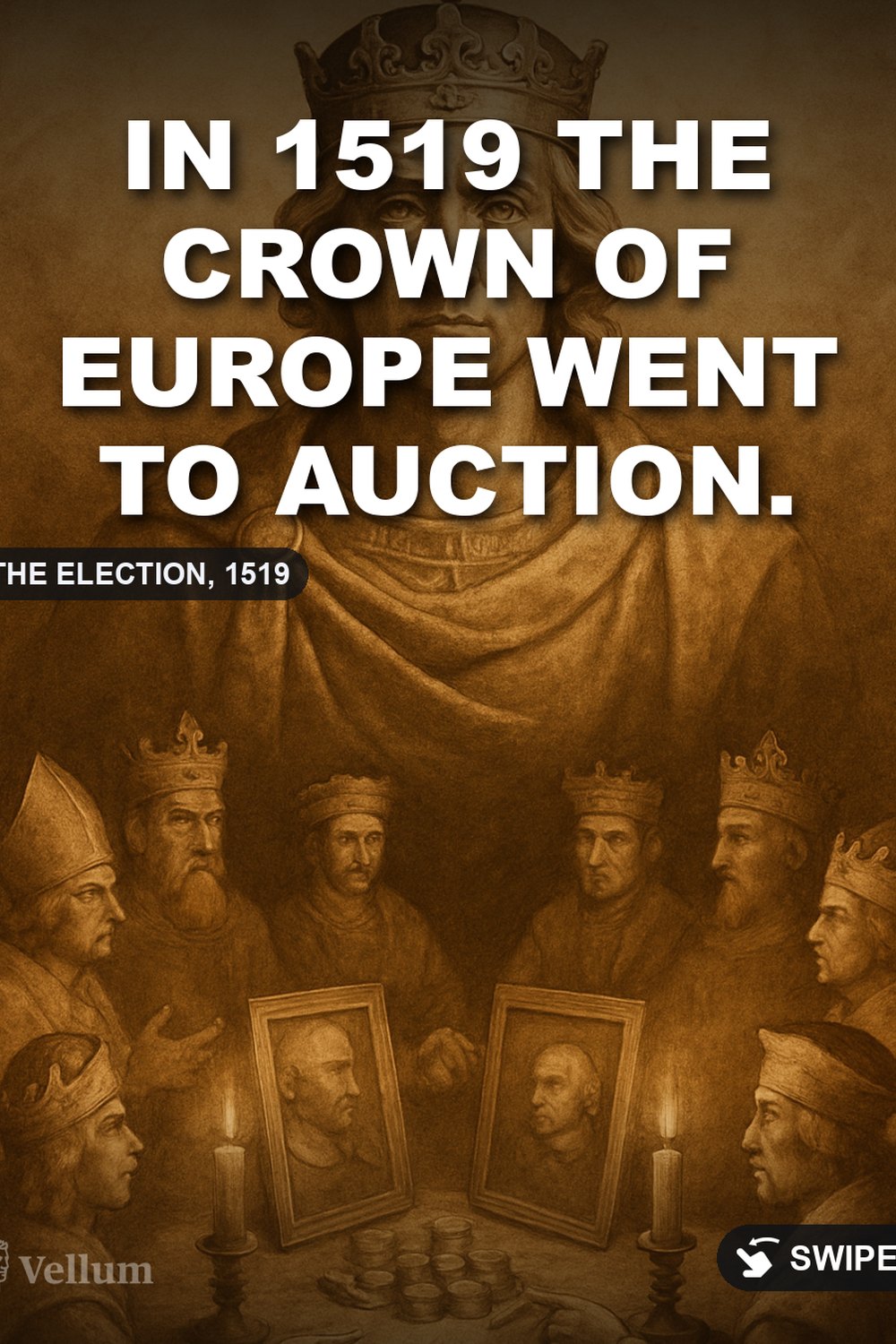
In 1519 the crown of the Holy Roman Empire went to auction between kings, and the winning bid came from a commoner. Four years later, with the emperor stalling on the debt, Jacob Fugger sent him what history remembers as the world's boldest invoice.
Augsburg, 1519–1523 · Jacob Fugger
What actually happened
The election cost roughly 850,000 florins in payments to the seven prince-electors; Fugger provided about two-thirds, and the electors accepted only his letters of credit. The banker's paper was the currency of the bribe. Charles V won the crown.
When Charles's jurists then advanced anti-monopoly proceedings aimed at the great merchant houses, above all Fugger's, the old banker wrote to the emperor directly. As the family chronicle records the letter of April 1523: 'It is well known that Your Imperial Majesty could not have gained the Roman Crown save with mine aid.' The proceedings faded; the debt was honored.
Fugger died in 1525 with a fortune estimated at around two percent of Europe's economic output, a scale no private banker has matched since.
The longer arc
Fugger's money was already reshaping Europe before the 1519 election. His loans had helped Archbishop Albrecht of Mainz pay for a second bishopric bought from Rome, and the two men then arranged an indulgence sale across Germany structured so half the proceeds paid off Fugger's loan and half funded the new Saint Peter's Basilica. The Fugger-financed preacher running the sales campaign, Johann Tetzel, provoked Martin Luther into posting his Ninety-Five Theses in 1517, meaning the same banker who bankrolled the emperor's election two years later had already helped trigger the Reformation.
Fugger spent part of his fortune founding the Fuggerei, a walled housing complex in Augsburg built in 1521 for the city's poor, charging a token rent in exchange for daily prayers for the Fugger family's souls. It still operates today under close to the same terms: residents pay under one euro a year and are asked to say three prayers daily, making it the oldest social housing project in continuous use anywhere in the world. The banking empire around it did not last nearly as long; the family's fortunes declined over the following century as Habsburg debts went unpaid.
The play to remember
The play.
Real power is being un-defaultable. Fugger didn't just lend to the system.
He made himself the system.
Was this interesting?
Select an option to vote. You can change it anytime.
Recommended for You
Friday the 13th, 1307
The Knights Templar ran Europe's first international bank: deposit in London, withdraw in Jerusalem by letter of credit. Their biggest debtor was the King of France. On a single Friday morning, he erased the debt by…
The Match King
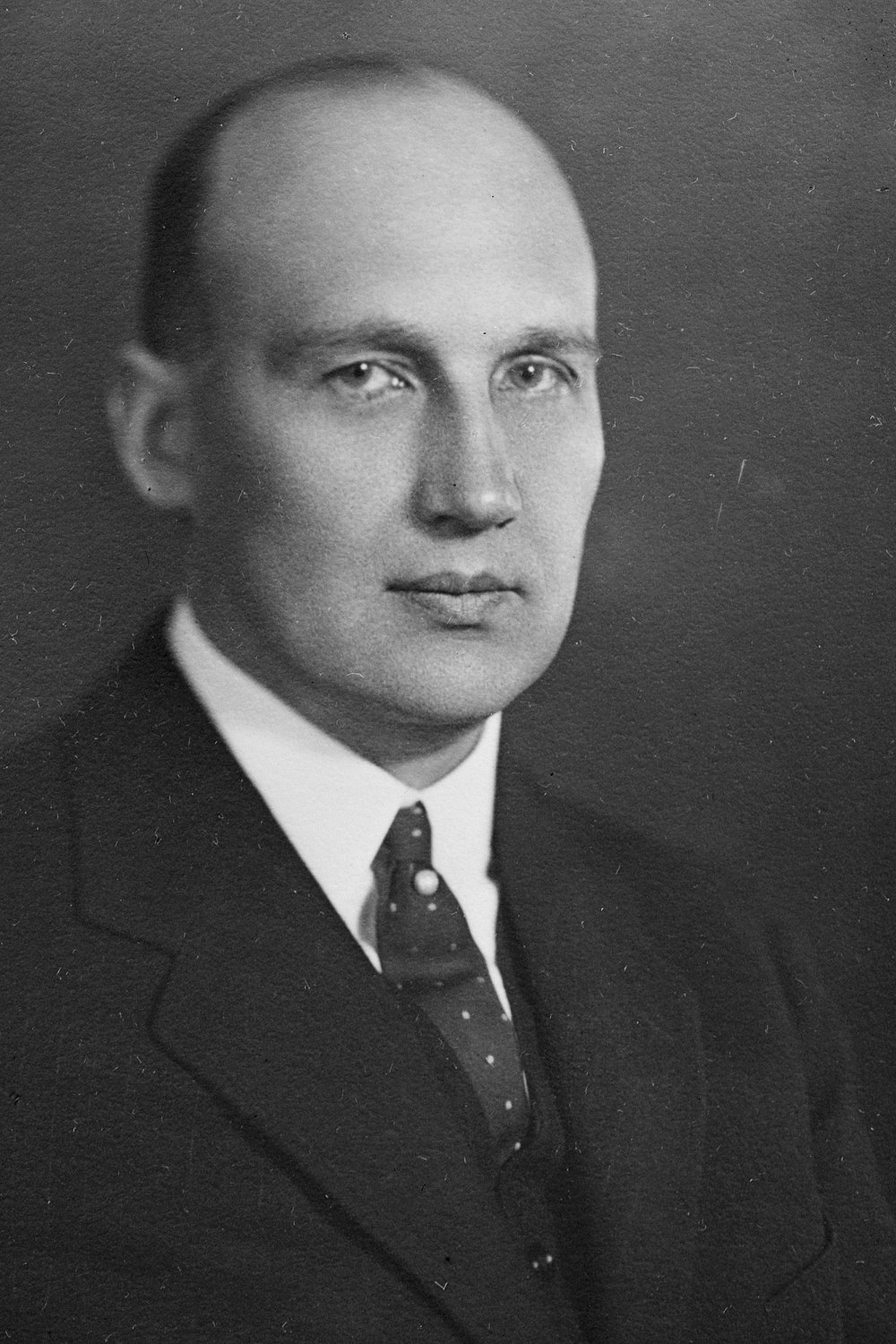
By 1929 Ivar Kreuger controlled two-thirds of the world's match production and was lending sovereign nations more money than J.P. Morgan. A meaningful part of the collateral was $100 million of Italian government bonds…
The Locked Library
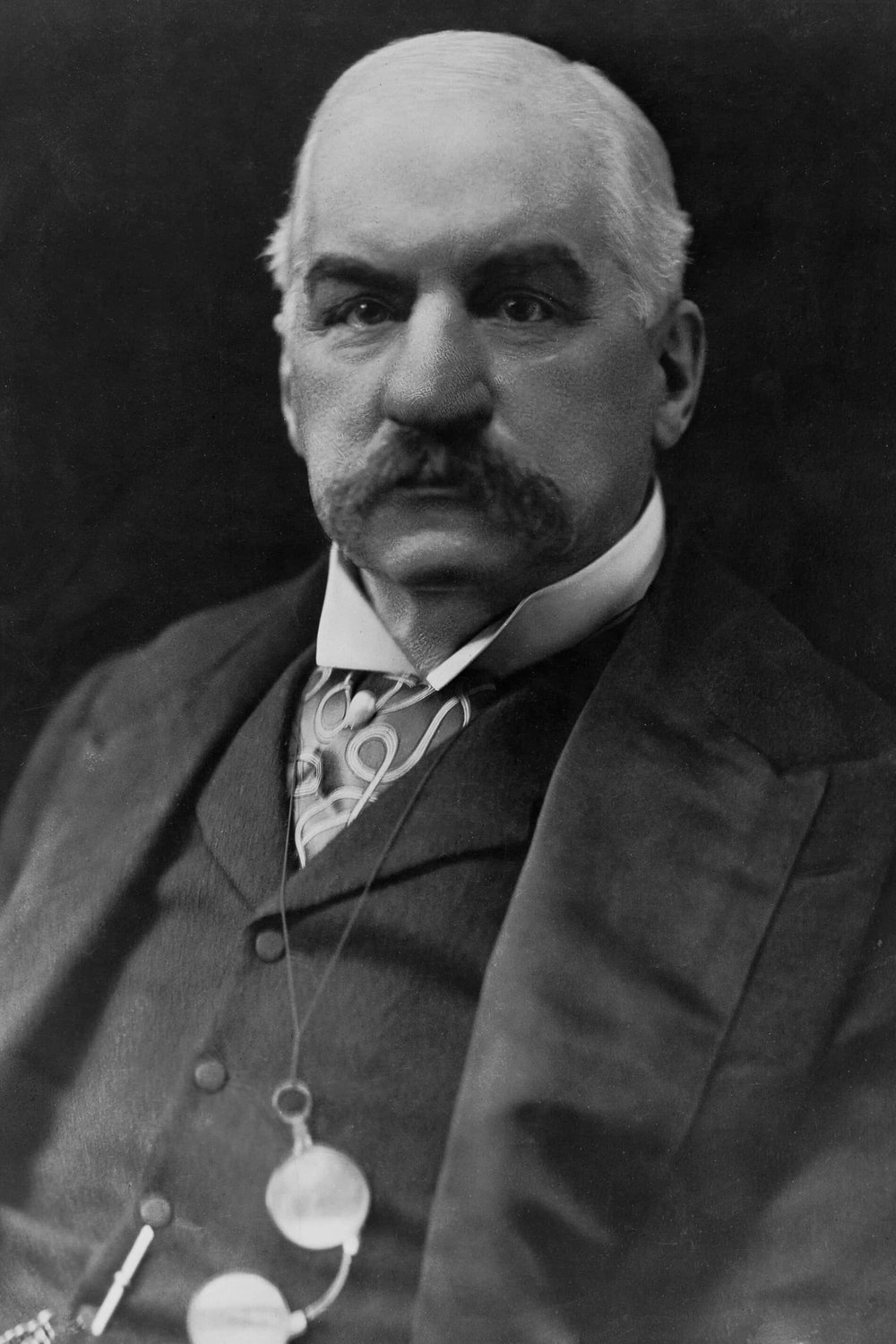
In the autumn of 1907, with banks failing and no central bank existing, one private citizen reportedly kept the heads of American finance in his library until dawn, until they pledged the money to stop the run. One of…

Newton's Madness
Isaac Newton sold his South Sea Company shares in April 1720 at a solid profit. Then he watched the bubble triple without him, bought back in near the top, and lost a fortune, around £20,000, a lifetime of income.
Tired of Fighting
Jesse Livermore shorted the 1929 crash and, by the widely reported figure, made around $100 million while the country broke. America blamed him for it. Eleven years later he died broke by his own hand, leaving a note…
Account 88888
A 28-year-old trader ran both Barings' Singapore trading desk and the back office that checked it. His hidden error account, 88888, swallowed losses for three years, until the 233-year-old bank that financed the…
No Millionaires at the Reunion
When Cornelius Vanderbilt died in 1877 he was worth more than the US Treasury held. In 1973, one hundred twenty of his descendants gathered for a family reunion, and by the family chronicler's account, not one of them…
The Bridge and the Bricks
In June 1982 the chairman of Italy's largest private bank was found hanging under Blackfriars Bridge in London, bricks and £10,000 in his pockets. Ruled suicide. Twenty years later the forensics were redone, the ruling…
The Kidnap Market
There is a quiet market in London that effectively sets the price of a kidnapped human being, and by the academic account of it, almost all insured hostages come home alive.
New cases drop daily on  TikTok and
  Instagram. One case a day, one model you can retell.