Money & Markets
The Locked Library
In the autumn of 1907, with banks failing and no central bank existing, one private citizen reportedly kept the heads of American finance in his library until dawn, until they pledged the money to stop the run. One of them was dead within a week.
New York, 1907 · J.P. Morgan
What actually happened
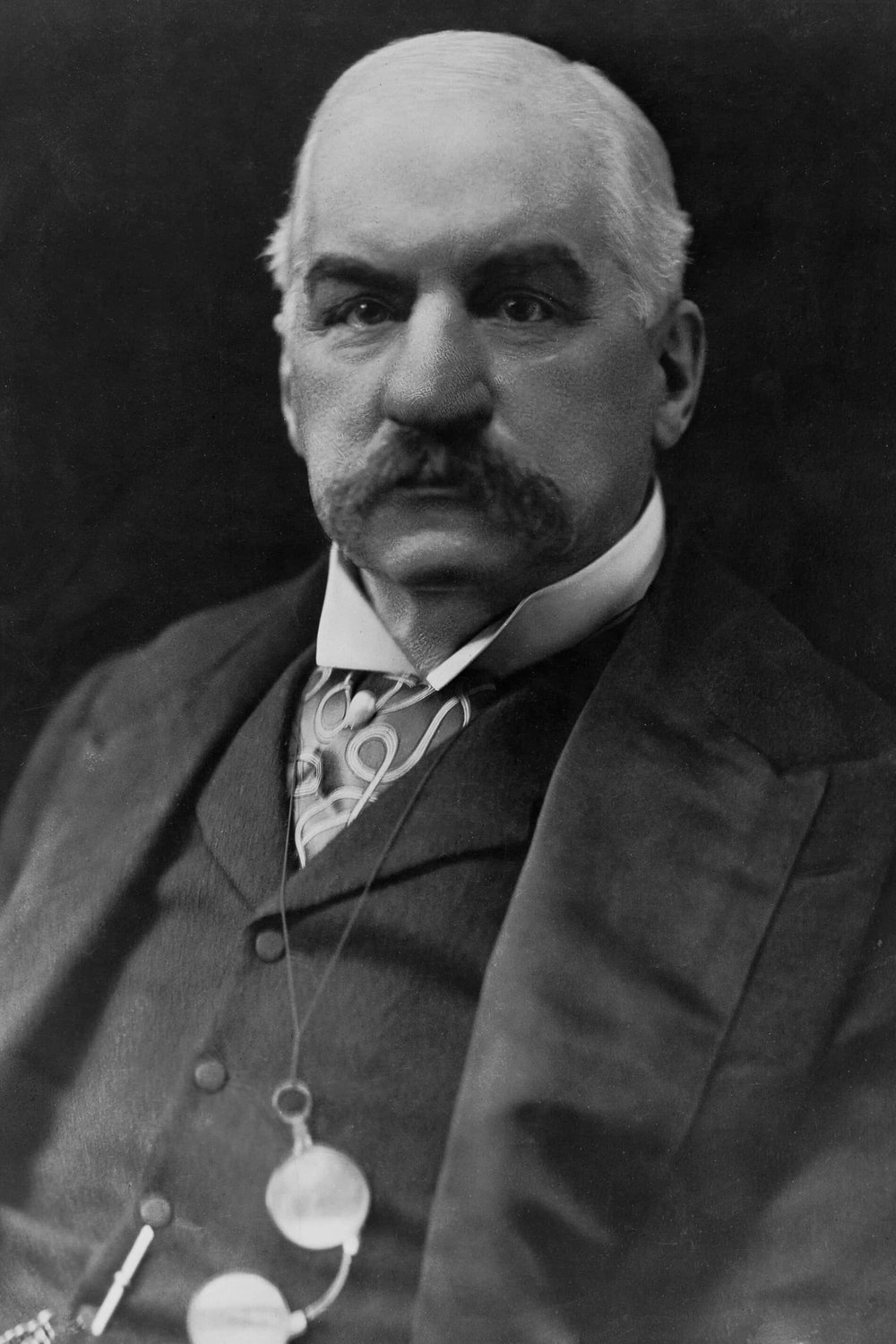
The panic began with a failed attempt to corner United Copper and spread to the trust companies, shadow banks of their day. When the Knickerbocker Trust collapsed, runs went systemic. J.P. Morgan, 70 years old and a private banker, triaged which institutions would live, summoned the trust presidents, and reportedly had the library doors closed until they subscribed a rescue pool.
The rescue held. Knickerbocker's president Charles Barney, refused help, shot himself days later. Congress drew the obvious conclusion: the United States could not keep outsourcing lender-of-last-resort to one man's library, and the path to the Federal Reserve Act of 1913 began.
The 'locked doors' detail is the popular telling; the pledges and the dawn timing are documented, and the episode flags the difference.
The longer arc
The spark was a bungled stock corner. F. Augustus Heinze and his brother tried to squeeze short sellers out of United Copper stock in mid-October 1907, using money borrowed from banks and trust companies tied to them. The squeeze failed, the stock collapsed, and depositors realized how exposed the trusts backing the scheme actually were. Trusts operated with thinner reserves and less oversight than national banks, and once one failed publicly, depositors had no way to tell which of the others were safe, so they queued to pull cash out of all of them.
The response Morgan improvised in his library became, within a few years, the argument for a real central bank. In November 1910 a small group of bankers and one senator met in secrecy at the Jekyll Island Club off the Georgia coast to draft what became the Federal Reserve Act, signed into law in December 1913. Morgan did not live to see it. He died in Rome in March 1913, nine months before the law he had effectively been standing in for finally passed, and the country's lender of last resort became an institution instead of one aging banker's personal credit.
The play to remember
The play.
Every system has a lender of last resort.
The only question is whether it's an institution or a mortal with a library.
Was this interesting?
Select an option to vote. You can change it anytime.
Recommended for You
Friday the 13th, 1307
The Knights Templar ran Europe's first international bank: deposit in London, withdraw in Jerusalem by letter of credit. Their biggest debtor was the King of France. On a single Friday morning, he erased the debt by…
The Receipt
In 1519 the crown of the Holy Roman Empire went to auction between kings, and the winning bid came from a commoner. Four years later, with the emperor stalling on the debt, Jacob Fugger sent him what history remembers…
The Match King
By 1929 Ivar Kreuger controlled two-thirds of the world's match production and was lending sovereign nations more money than J.P. Morgan. A meaningful part of the collateral was $100 million of Italian government bonds…
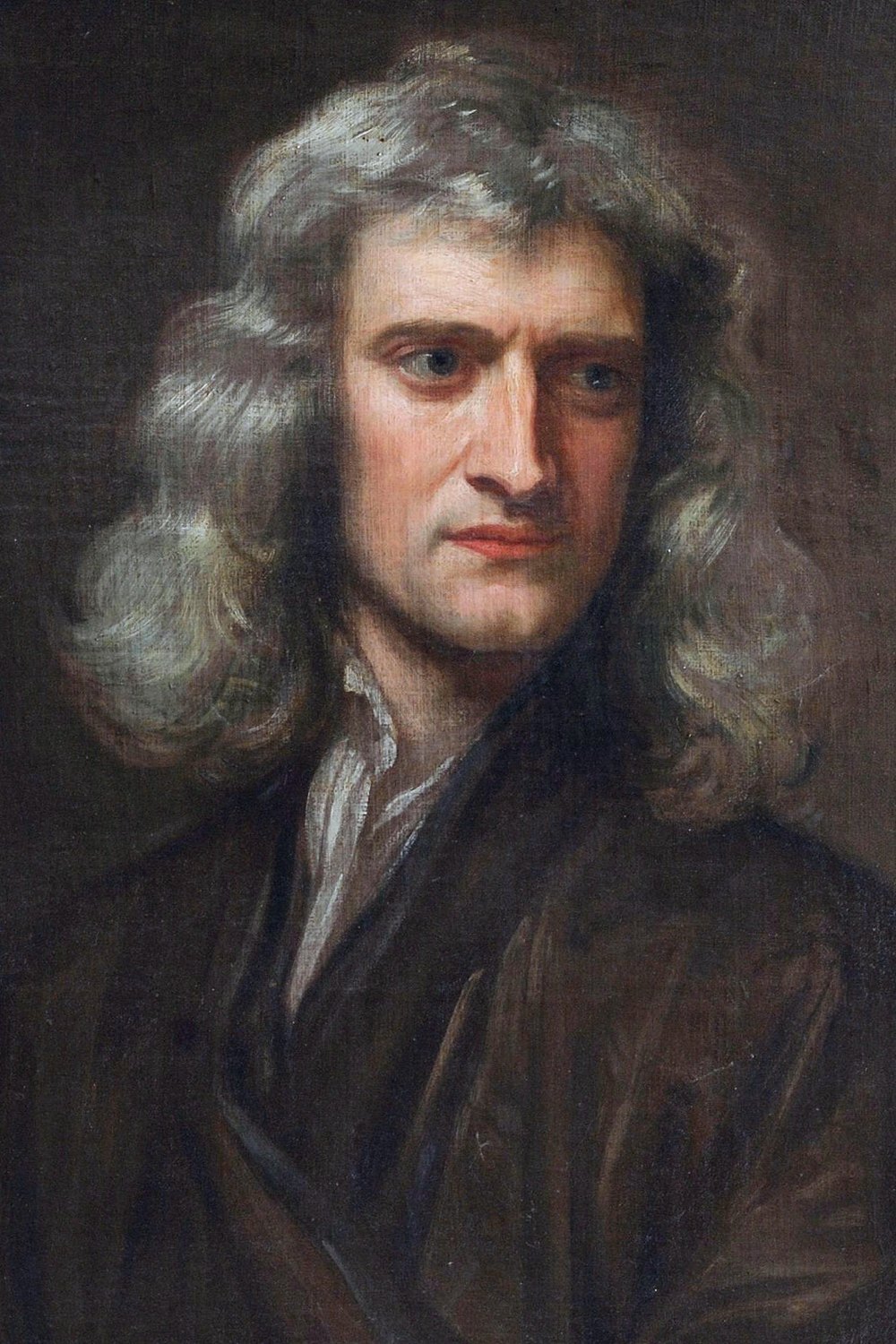
Newton's Madness
Isaac Newton sold his South Sea Company shares in April 1720 at a solid profit. Then he watched the bubble triple without him, bought back in near the top, and lost a fortune, around £20,000, a lifetime of income.
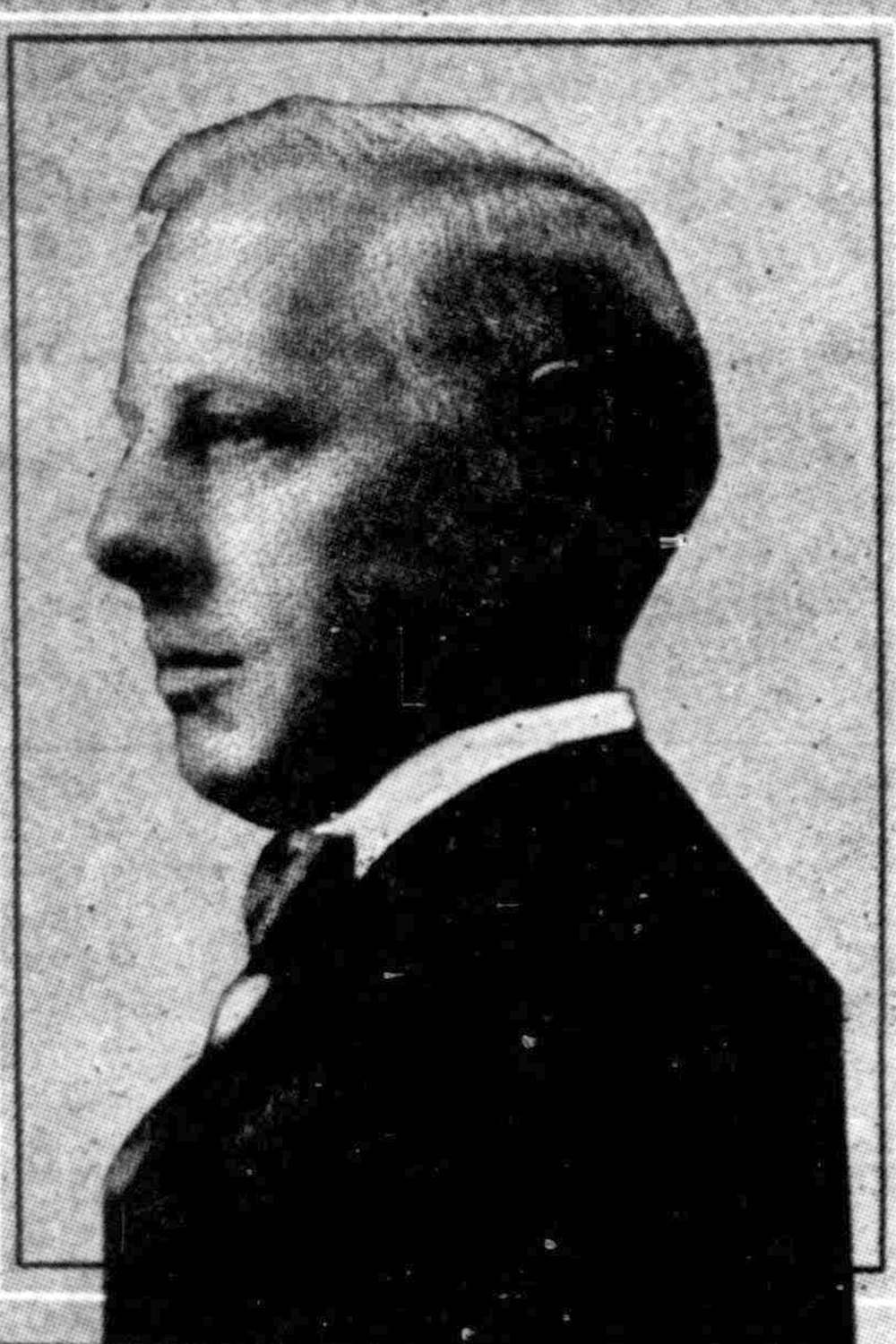
Tired of Fighting
Jesse Livermore shorted the 1929 crash and, by the widely reported figure, made around $100 million while the country broke. America blamed him for it. Eleven years later he died broke by his own hand, leaving a note…
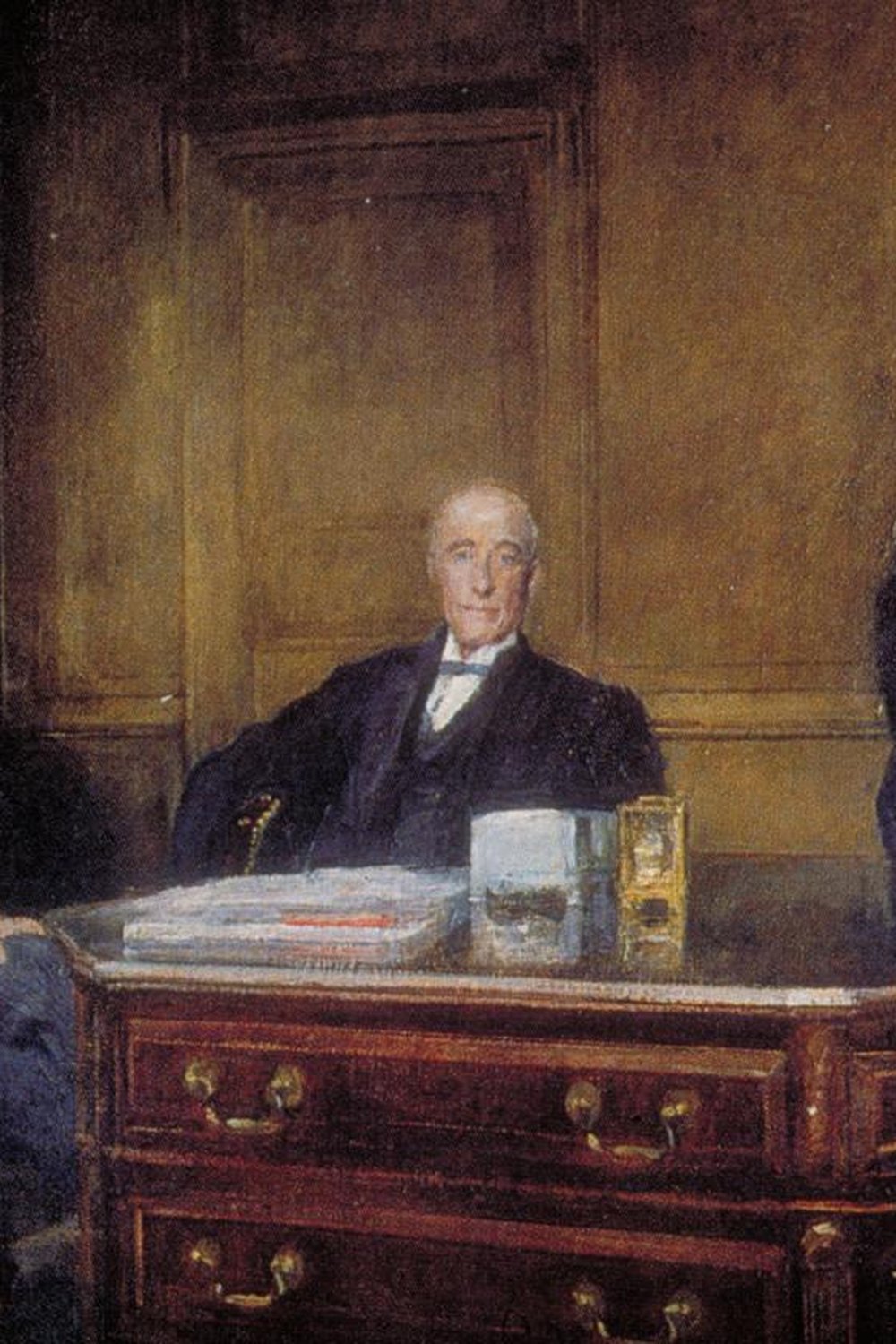
Account 88888
A 28-year-old trader ran both Barings' Singapore trading desk and the back office that checked it. His hidden error account, 88888, swallowed losses for three years, until the 233-year-old bank that financed the…
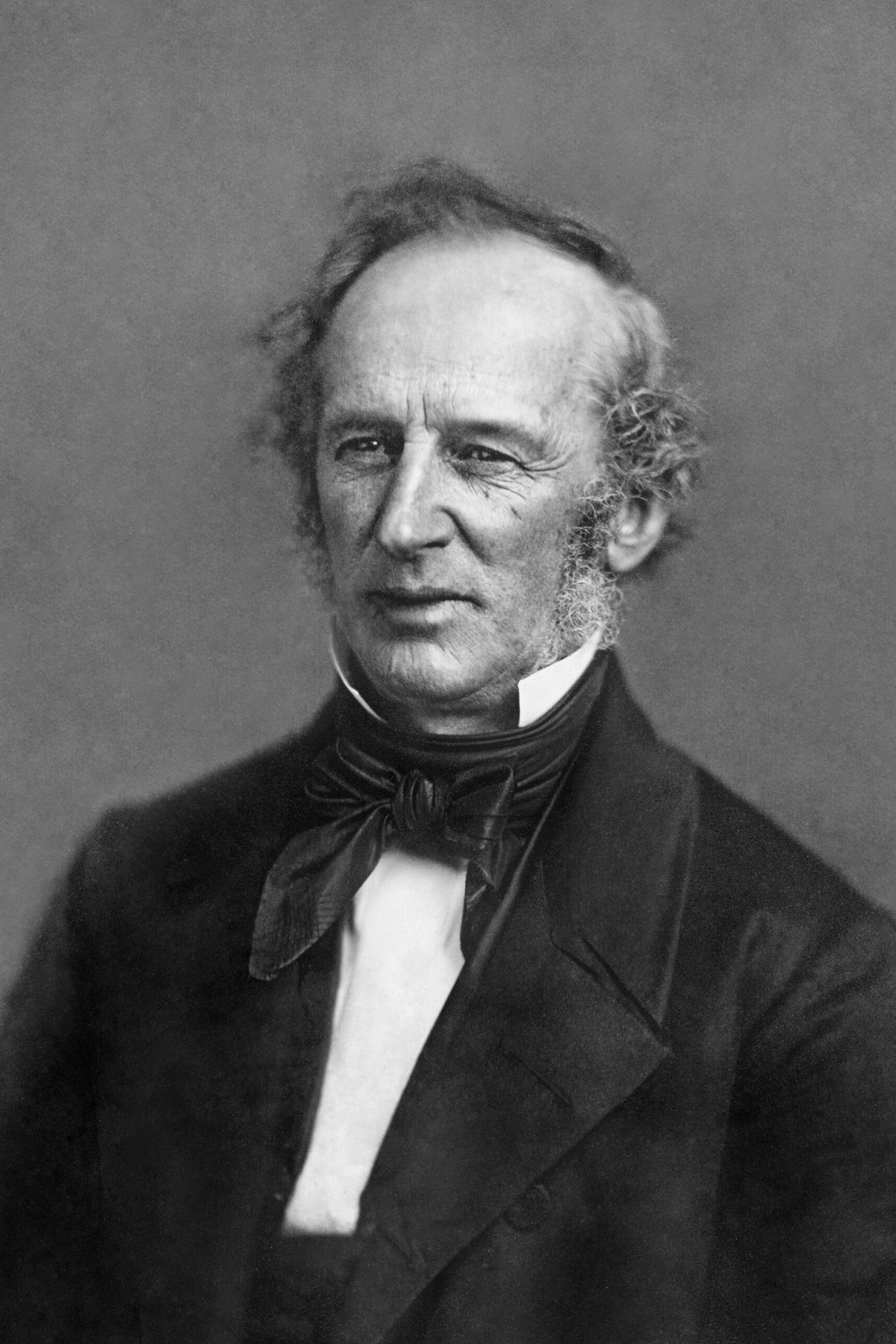
No Millionaires at the Reunion
When Cornelius Vanderbilt died in 1877 he was worth more than the US Treasury held. In 1973, one hundred twenty of his descendants gathered for a family reunion, and by the family chronicler's account, not one of them…
The Bridge and the Bricks
In June 1982 the chairman of Italy's largest private bank was found hanging under Blackfriars Bridge in London, bricks and £10,000 in his pockets. Ruled suicide. Twenty years later the forensics were redone, the ruling…
The Kidnap Market
There is a quiet market in London that effectively sets the price of a kidnapped human being, and by the academic account of it, almost all insured hostages come home alive.
New cases drop daily on  TikTok and
  Instagram. One case a day, one model you can retell.