Money & Markets
Account 88888
A 28-year-old trader ran both Barings' Singapore trading desk and the back office that checked it. His hidden error account, 88888, swallowed losses for three years, until the 233-year-old bank that financed the Napoleonic Wars was sold for one pound.
Singapore, 1992–1995 · Nick Leeson
What actually happened
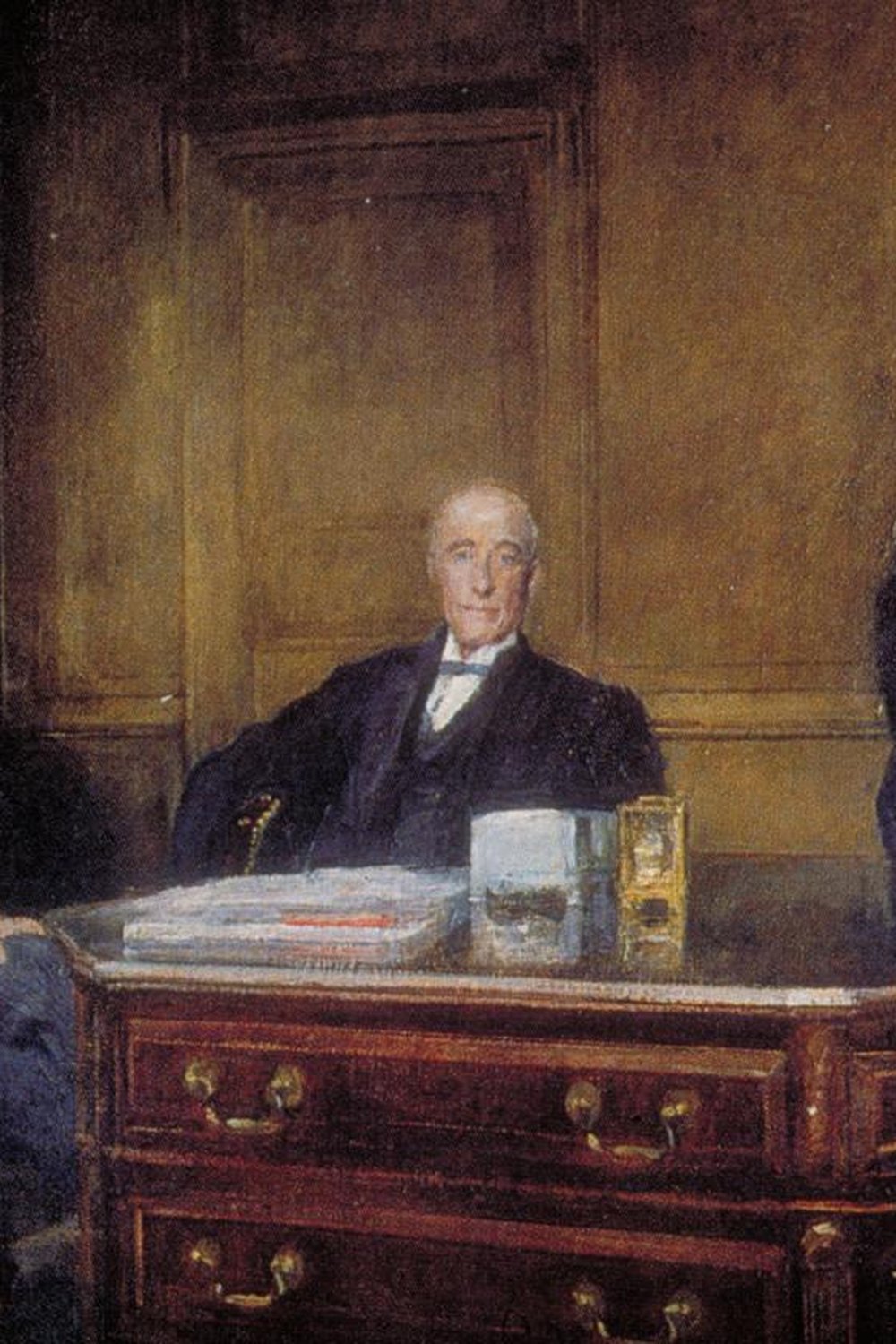
Leeson's reported profits made him a star; the reality accumulated in 88888, papered over with forged confirmations and funding requests London kept wiring. The Kobe earthquake in January 1995 moved markets against his doubled-down positions faster than the fiction could absorb. Final losses reached about £827 million.
He fled, faxed his resignation ('my sincere apologies for the predicament that I have left you in'), and was arrested in Frankfurt. The Bank of England's report read less like a fraud story than a controls autopsy: nobody had ever separated the man who made the trades from the man who reported them.
ING bought Barings for £1. Leeson served four and a half years in Changi and has spent the decades since as the cautionary tale on the conference circuit.
The longer arc
Barings had underwritten sovereign finance for more than two centuries before Leeson ever touched it. The bank helped finance the United States' 1803 Louisiana Purchase, working with its Dutch partners to raise $15 million for a young government most of Europe would not lend to directly, and its clients over the years included the British royal family. Leeson was 28, with a background nowhere near matching that pedigree; his real qualification, in his managers' eyes, was that his Singapore desk appeared to be printing extraordinary profits, and nobody in London asked to see how.
Leeson was diagnosed with colon cancer during his imprisonment and underwent emergency surgery to remove part of his colon before his release in 1999. The saga became the basis for the 1999 film Rogue Trader, with Ewan McGregor playing him. He later built a public career around the collapse itself, writing a memoir, giving talks on risk and controls, and from 2005 running League of Ireland club Galway United, eventually as chief executive, until the club's own finances collapsed in 2011. The man who hid losses that sank a 233-year-old bank spent his second career running a much smaller organization's books in full view.
The play to remember
The Self-Audit.
Whoever reconciles their own trades has no supervisor, only a delay. Leeson ran Barings’ Singapore desk and the back office that was supposed to check it, so the first person to see a loss was the person who needed it gone. London kept wiring funds because the reports still looked like profits.
Segregation of duties is boring, and even harder to enforce when the person is a star: the one making the trades cannot be the one who reports them. Trust, but verify exists for a reason. It cost Barings £827 million, and then the bank, to learn it.
Was this interesting?
Select an option to vote. You can change it anytime.
Recommended for You
Friday the 13th, 1307
The Knights Templar ran Europe's first international bank: deposit in London, withdraw in Jerusalem by letter of credit. Their biggest debtor was the King of France. On a single Friday morning, he erased the debt by…
The Receipt
In 1519 the crown of the Holy Roman Empire went to auction between kings, and the winning bid came from a commoner. Four years later, with the emperor stalling on the debt, Jacob Fugger sent him what history remembers…
The Match King
By 1929 Ivar Kreuger controlled two-thirds of the world's match production and was lending sovereign nations more money than J.P. Morgan. A meaningful part of the collateral was $100 million of Italian government bonds…
The Locked Library
In the autumn of 1907, with banks failing and no central bank existing, one private citizen reportedly kept the heads of American finance in his library until dawn, until they pledged the money to stop the run. One of…
Newton's Madness
Isaac Newton sold his South Sea Company shares in April 1720 at a solid profit. Then he watched the bubble triple without him, bought back in near the top, and lost a fortune, around £20,000, a lifetime of income.
Tired of Fighting
Jesse Livermore shorted the 1929 crash and, by the widely reported figure, made around $100 million while the country broke. America blamed him for it. Eleven years later he died broke by his own hand, leaving a note…
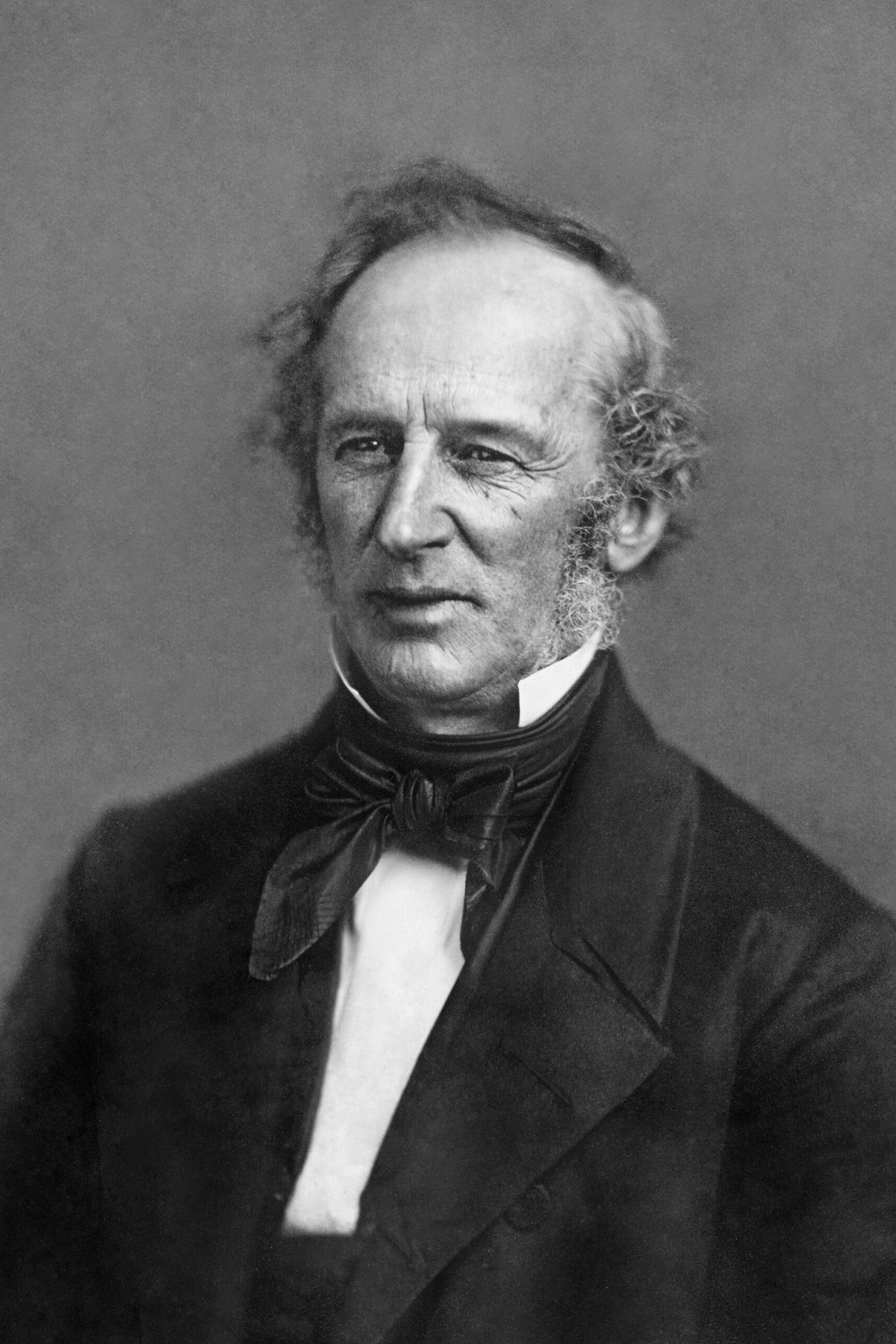
No Millionaires at the Reunion
When Cornelius Vanderbilt died in 1877 he was worth more than the US Treasury held. In 1973, one hundred twenty of his descendants gathered for a family reunion, and by the family chronicler's account, not one of them…
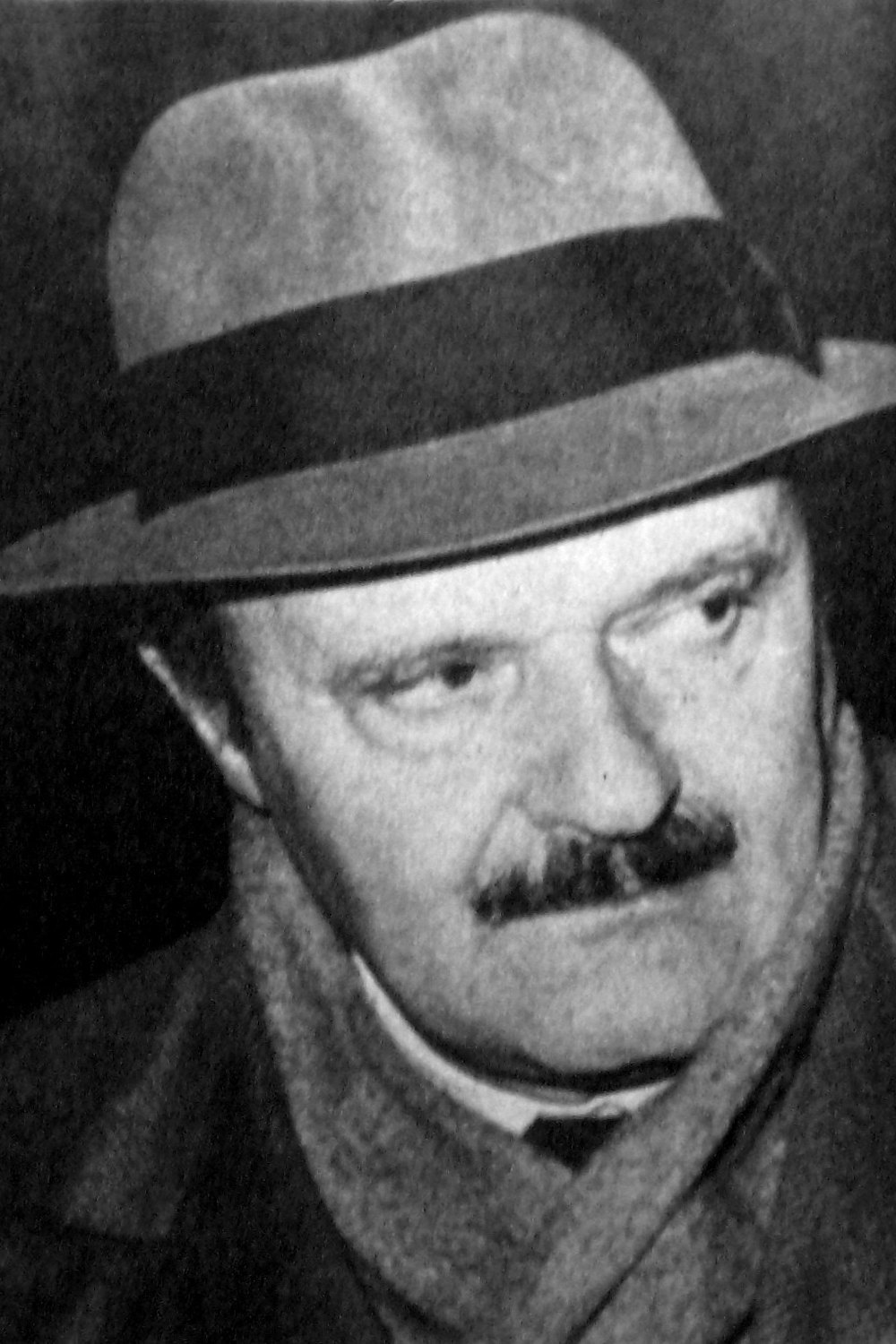
The Bridge and the Bricks
In June 1982 the chairman of Italy's largest private bank was found hanging under Blackfriars Bridge in London, bricks and £10,000 in his pockets. Ruled suicide. Twenty years later the forensics were redone, the ruling…
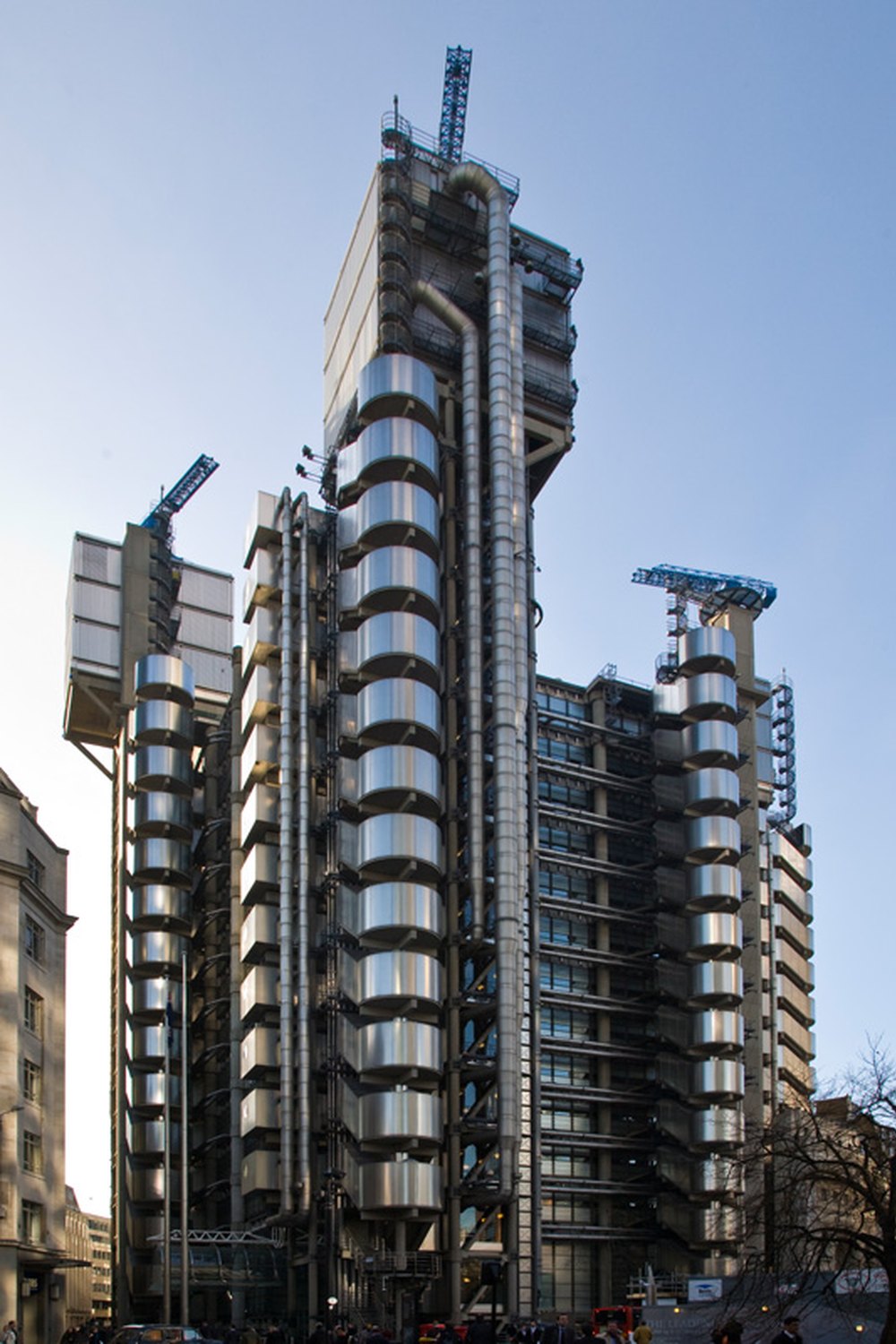
The Kidnap Market
There is a quiet market in London that effectively sets the price of a kidnapped human being, and by the academic account of it, almost all insured hostages come home alive.
New cases drop daily on  TikTok and
  Instagram. One case a day, one model you can retell.