Money & Markets
Tired of Fighting
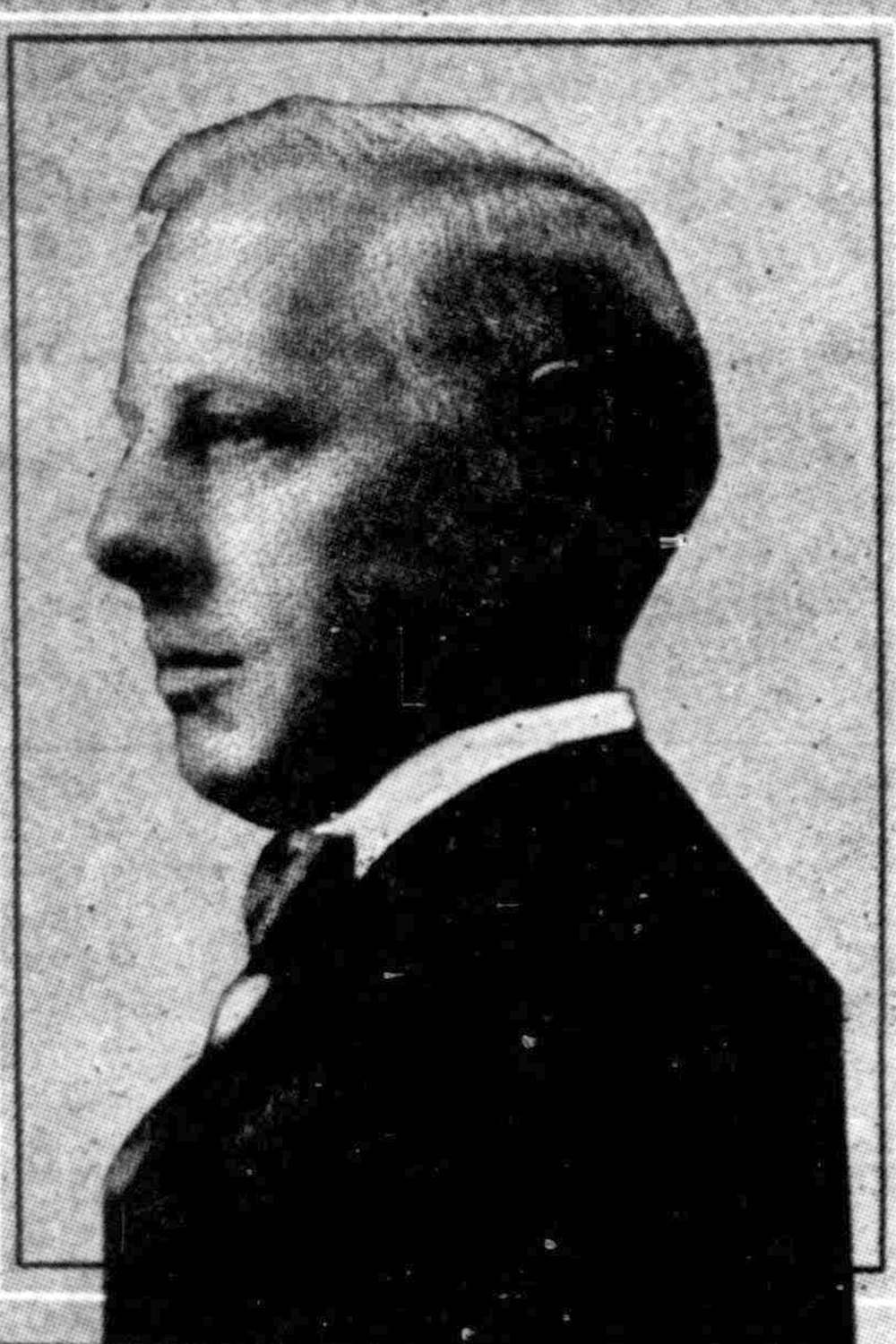
Jesse Livermore shorted the 1929 crash and, by the widely reported figure, made around $100 million while the country broke. America blamed him for it. Eleven years later he died broke by his own hand, leaving a note that said he was tired of fighting.
New York, 1929–1940 · Jesse Livermore
What actually happened
Livermore had made and lost fortunes since the bucket shops of the 1890s; 1929 was his masterpiece, and the hate mail and bodyguards followed. But the discipline that made the trade never governed the rest of his life: the estates, the yachts, the repeated bankruptcies.
By 1934 he was bankrupt again; in 1940, in the cloakroom of the Sherry-Netherland hotel, he shot himself. His suicide note, and the New York Times' accounting of liabilities exceeding assets, closed the ledger on the man whose trading rules are still quoted by people who skip his ending.
The longer arc
1929 was not Livermore's first crash. During the Panic of 1907, by his own account in Reminiscences of a Stock Operator, he made about $1 million in a single day shorting the collapse. J.P. Morgan, then working to contain the panic from his library, reportedly sent word asking Livermore to stop selling because the shorting was making things worse. Livermore agreed, switched to buying, and rode the rebound to roughly $3 million total, a fortune at the time. It made him a Wall Street legend more than two decades before 1929 sealed the reputation.
The instability that ended his life echoed into the next generation. His eldest son, Jesse Livermore Jr., who inherited a trust that meant he never had to work, died by suicide in the mid-1970s, roughly thirty-five years after his father. The book that made Livermore's methods famous, Reminiscences of a Stock Operator, was published in 1923 while he was still alive and trading, and it remains widely read on Wall Street a century later, generally without much attention paid to how either Livermore's story, or his son's, actually ended.
The play to remember
The play.
Edge in the market and edge over yourself are different assets.
Livermore had only one, and the episode is honest about which.
Was this interesting?
Select an option to vote. You can change it anytime.
Recommended for You
Friday the 13th, 1307
The Knights Templar ran Europe's first international bank: deposit in London, withdraw in Jerusalem by letter of credit. Their biggest debtor was the King of France. On a single Friday morning, he erased the debt by…
The Receipt
In 1519 the crown of the Holy Roman Empire went to auction between kings, and the winning bid came from a commoner. Four years later, with the emperor stalling on the debt, Jacob Fugger sent him what history remembers…
The Match King
By 1929 Ivar Kreuger controlled two-thirds of the world's match production and was lending sovereign nations more money than J.P. Morgan. A meaningful part of the collateral was $100 million of Italian government bonds…
The Locked Library
In the autumn of 1907, with banks failing and no central bank existing, one private citizen reportedly kept the heads of American finance in his library until dawn, until they pledged the money to stop the run. One of…

Newton's Madness
Isaac Newton sold his South Sea Company shares in April 1720 at a solid profit. Then he watched the bubble triple without him, bought back in near the top, and lost a fortune, around £20,000, a lifetime of income.
Account 88888
A 28-year-old trader ran both Barings' Singapore trading desk and the back office that checked it. His hidden error account, 88888, swallowed losses for three years, until the 233-year-old bank that financed the…
No Millionaires at the Reunion
When Cornelius Vanderbilt died in 1877 he was worth more than the US Treasury held. In 1973, one hundred twenty of his descendants gathered for a family reunion, and by the family chronicler's account, not one of them…
The Bridge and the Bricks
In June 1982 the chairman of Italy's largest private bank was found hanging under Blackfriars Bridge in London, bricks and £10,000 in his pockets. Ruled suicide. Twenty years later the forensics were redone, the ruling…
The Kidnap Market
There is a quiet market in London that effectively sets the price of a kidnapped human being, and by the academic account of it, almost all insured hostages come home alive.
New cases drop daily on  TikTok and
  Instagram. One case a day, one model you can retell.