Money & Markets
The Kidnap Market
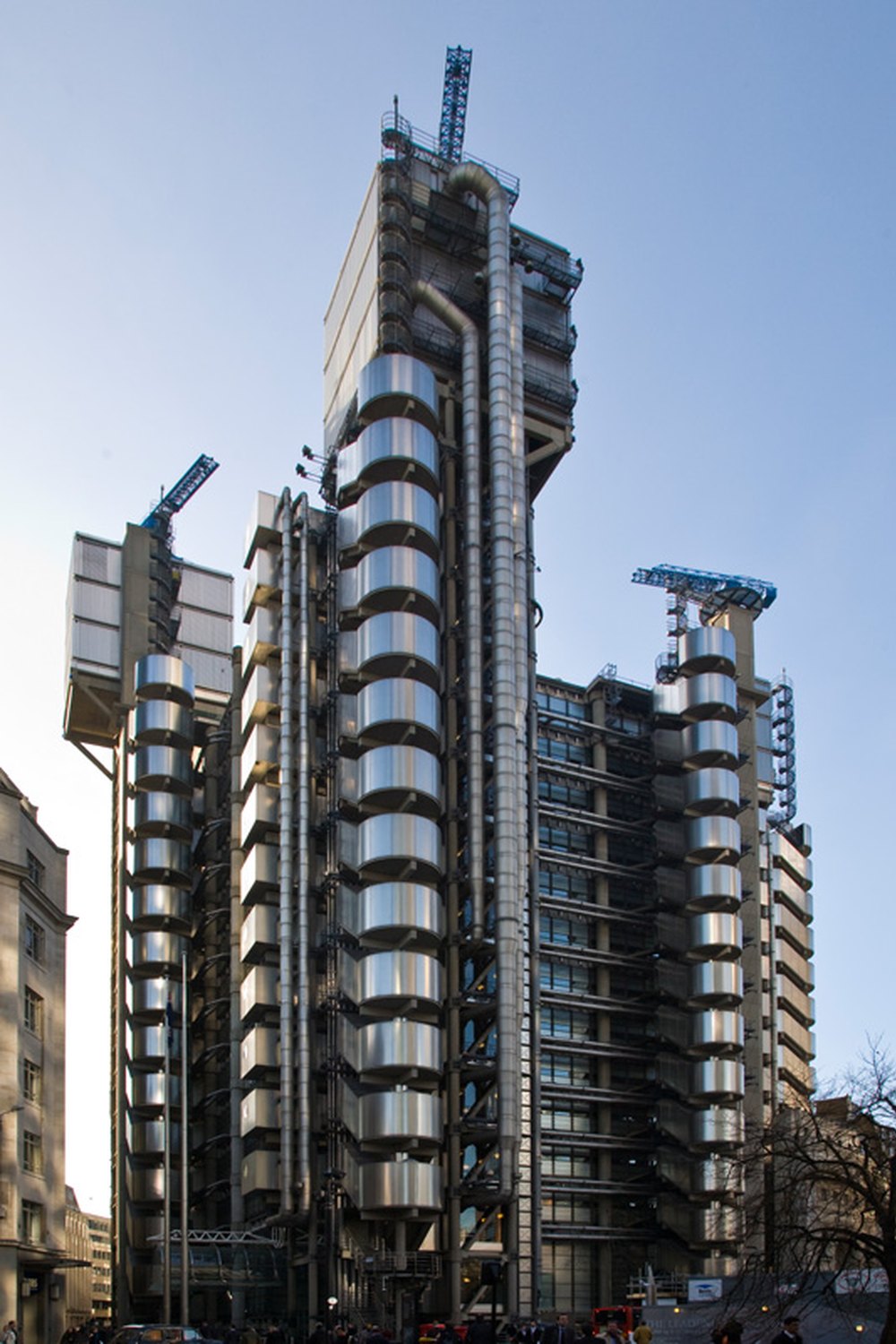
There is a quiet market in London that effectively sets the price of a kidnapped human being, and by the academic account of it, almost all insured hostages come home alive.
London, ongoing · Lloyd's of London K&R
What actually happened
Kidnap-and-ransom insurance works precisely because it is disciplined: professional negotiators, strict protocols, no fast escalating offers that would inflate the market for everyone else. Anja Shortland's study of the industry describes it as private governance: Lloyd's syndicates coordinating so ransoms stay low, stable and survivable.
The system's boundary conditions are where the drama lives: governments that ban ransom payments, terrorist kidnaps that fall outside the insurable pool, and families forced to negotiate alone against professionals. The episode keeps every number pinned to the published research.
The longer arc
The market's roots trace to a single crime. Lloyd's underwriters began offering kidnap and ransom coverage in 1932, the same year Charles Lindbergh's infant son was kidnapped from the family's New Jersey home and killed despite a paid ransom, a case that made the risk visible to insurers and wealthy families alike. Demand stayed thin for decades. It only became a real market in the 1960s and 1970s, as kidnappings of executives and their families spread across Latin America and Europe, giving Lloyd's syndicates enough claims history to price the risk properly instead of guessing.
The clearest evidence for how the system works sits in its failures at the edges. When ISIS held Western captives in Syria between 2014 and 2015, about fourteen of the sixteen captured Europeans came home, ransomed by governments or families willing to pay. None of the captured Americans or British citizens were released. Washington and London both maintain strict no-ransom policies, and hostages including James Foley, Steven Sotloff, David Haines and Alan Henning were murdered on camera instead, an ugly natural experiment in what happens just outside the boundary the insurance market usually keeps hostages safely inside.
The play to remember
The play.
Markets can govern what states can't reach, but only inside the boundary where everyone keeps playing repeated games.
Was this interesting?
Select an option to vote. You can change it anytime.
Recommended for You
Friday the 13th, 1307
The Knights Templar ran Europe's first international bank: deposit in London, withdraw in Jerusalem by letter of credit. Their biggest debtor was the King of France. On a single Friday morning, he erased the debt by…
The Receipt
In 1519 the crown of the Holy Roman Empire went to auction between kings, and the winning bid came from a commoner. Four years later, with the emperor stalling on the debt, Jacob Fugger sent him what history remembers…
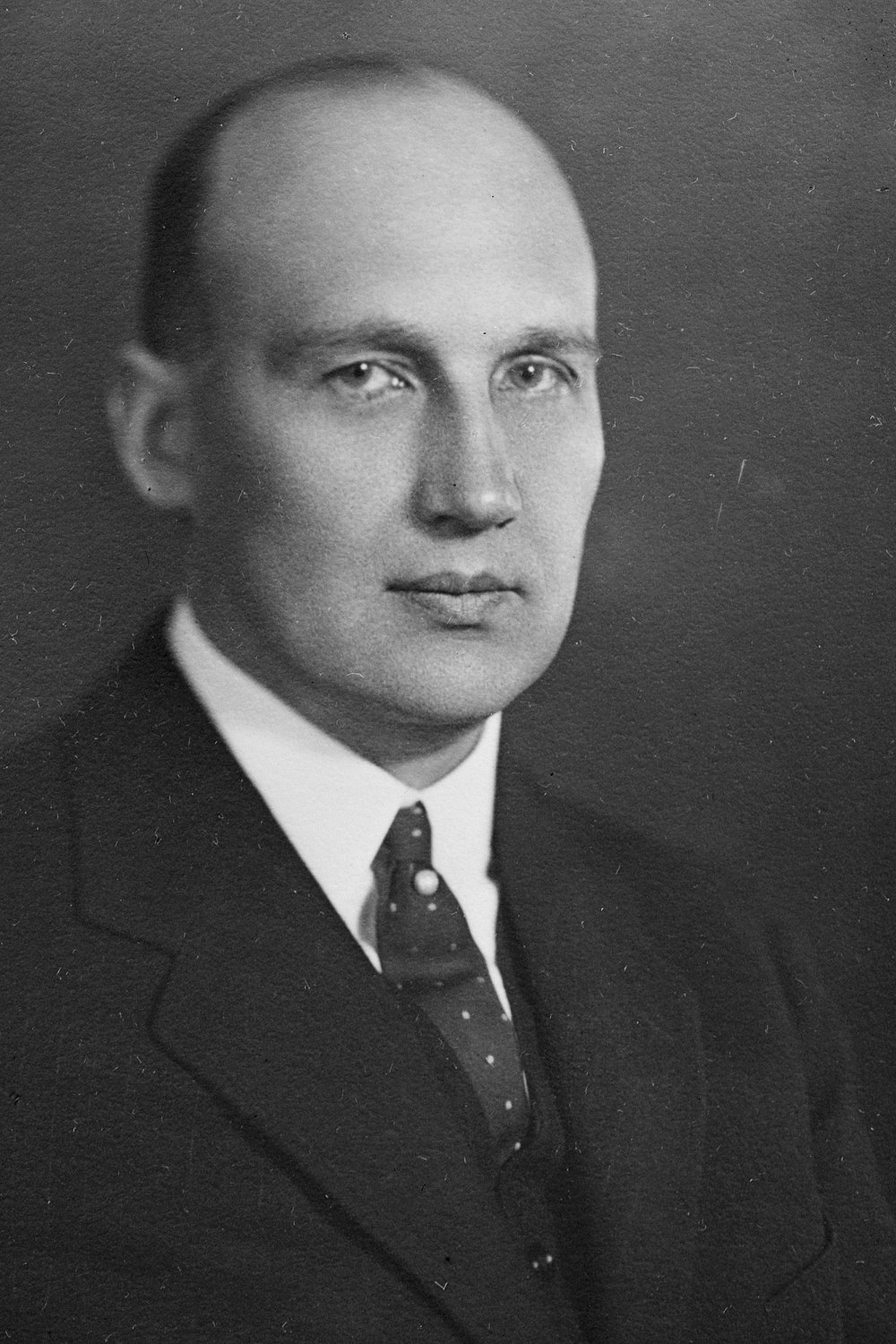
The Match King
By 1929 Ivar Kreuger controlled two-thirds of the world's match production and was lending sovereign nations more money than J.P. Morgan. A meaningful part of the collateral was $100 million of Italian government bonds…
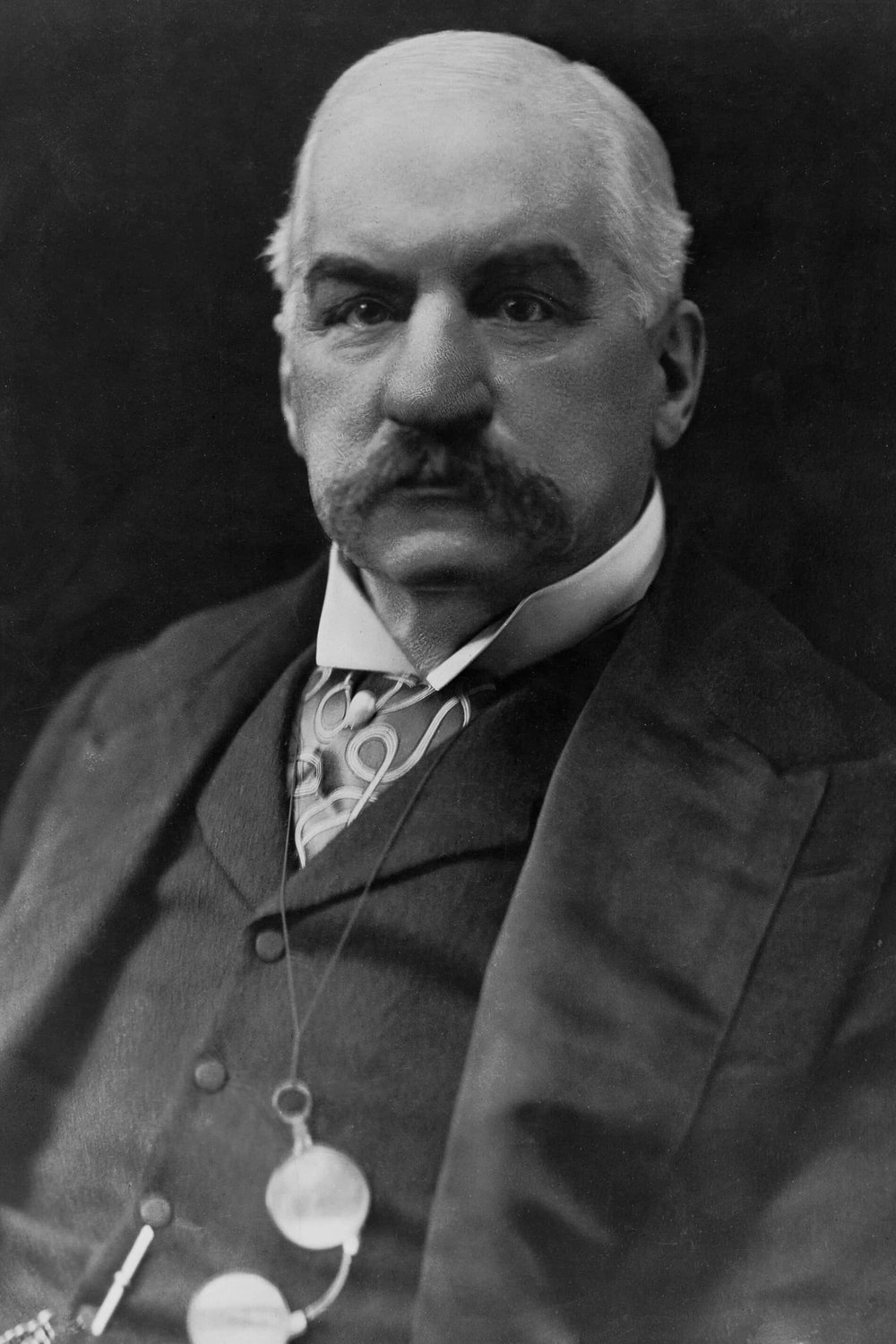
The Locked Library
In the autumn of 1907, with banks failing and no central bank existing, one private citizen reportedly kept the heads of American finance in his library until dawn, until they pledged the money to stop the run. One of…

Newton's Madness
Isaac Newton sold his South Sea Company shares in April 1720 at a solid profit. Then he watched the bubble triple without him, bought back in near the top, and lost a fortune, around £20,000, a lifetime of income.
Tired of Fighting
Jesse Livermore shorted the 1929 crash and, by the widely reported figure, made around $100 million while the country broke. America blamed him for it. Eleven years later he died broke by his own hand, leaving a note…
Account 88888
A 28-year-old trader ran both Barings' Singapore trading desk and the back office that checked it. His hidden error account, 88888, swallowed losses for three years, until the 233-year-old bank that financed the…
No Millionaires at the Reunion
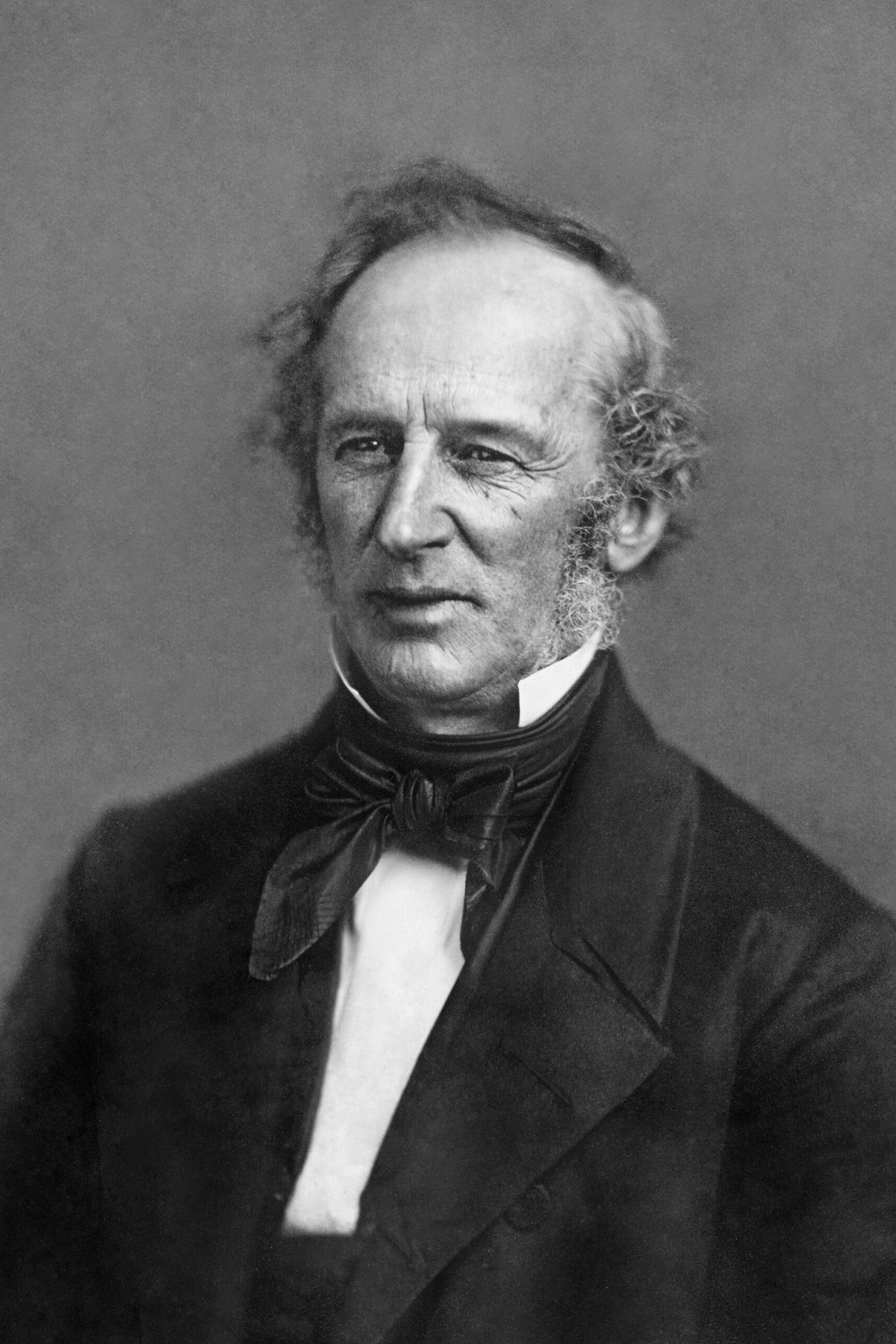
When Cornelius Vanderbilt died in 1877 he was worth more than the US Treasury held. In 1973, one hundred twenty of his descendants gathered for a family reunion, and by the family chronicler's account, not one of them…
The Bridge and the Bricks
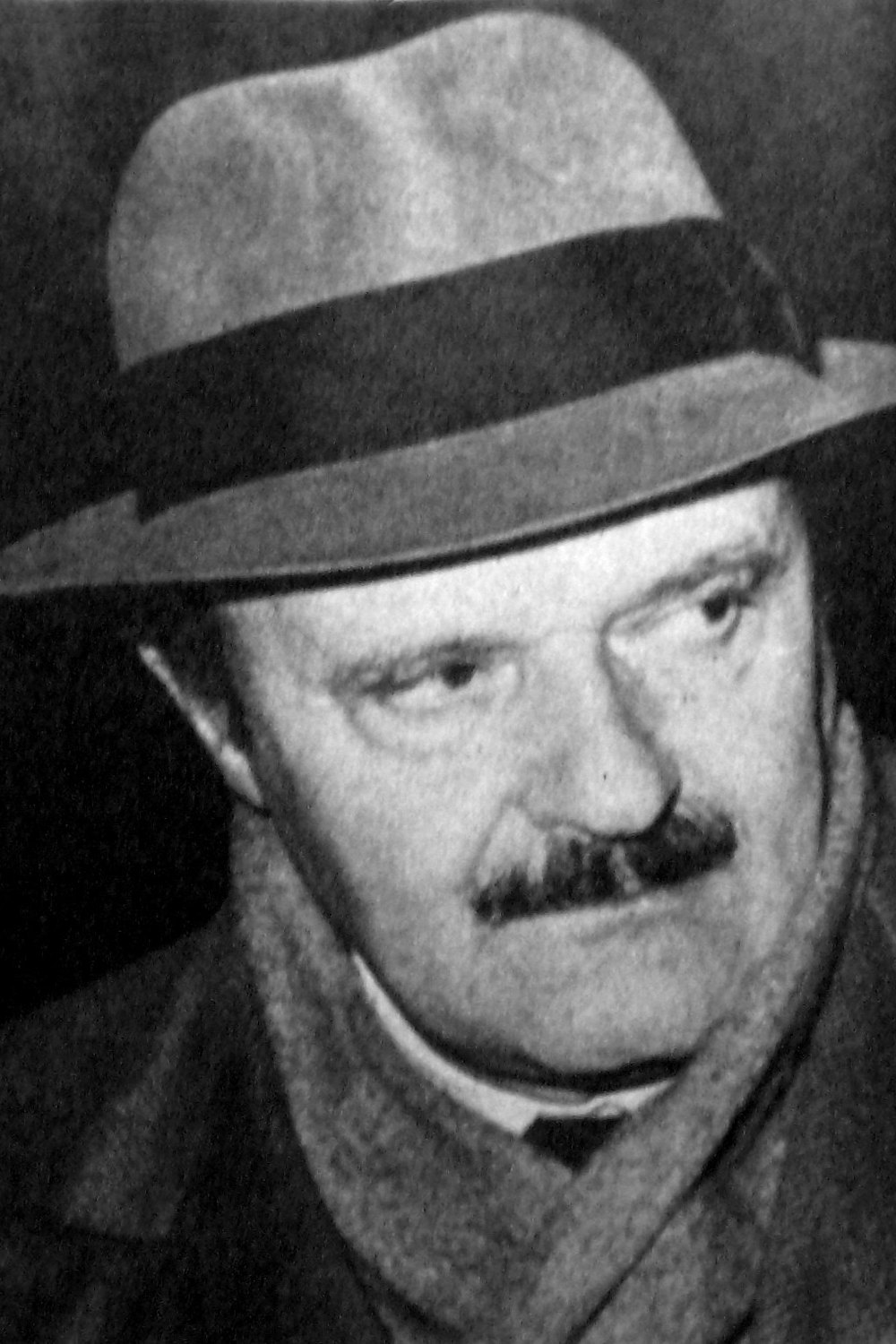
In June 1982 the chairman of Italy's largest private bank was found hanging under Blackfriars Bridge in London, bricks and £10,000 in his pockets. Ruled suicide. Twenty years later the forensics were redone, the ruling…
New cases drop daily on  TikTok and
  Instagram. One case a day, one model you can retell.