Money & Markets
The Waterloo Legend
The legend says Nathan Rothschild's early news of Waterloo let him trick the London exchange and buy Britain for pennies. The archives say the early news is real, and the fortune came from the war ending at the wrong time for him.
London, 1815 · Nathan Rothschild
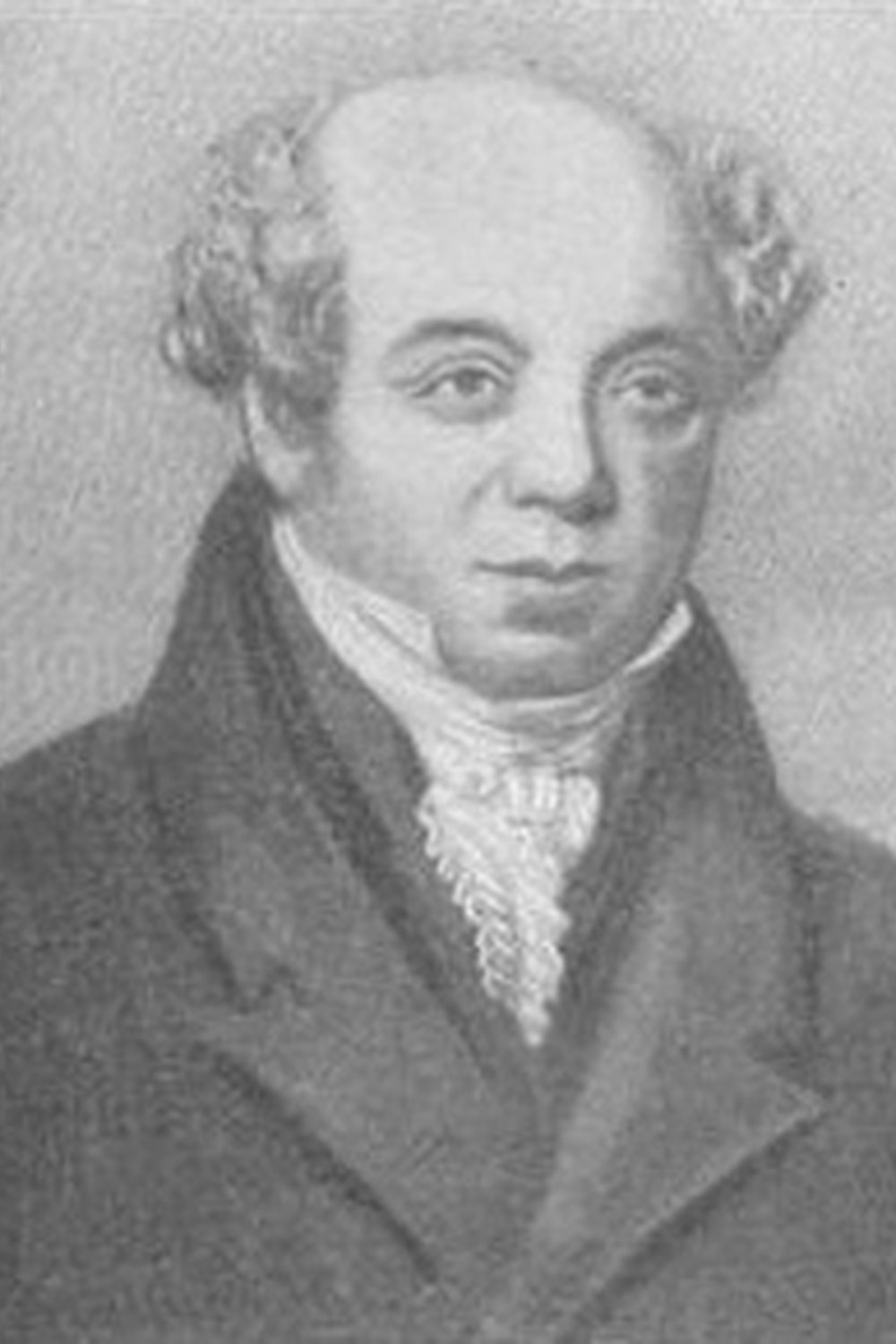
What actually happened
Rothschild's courier network genuinely beat the government's official word of Wellington's victory. But the family's actual wartime business was buying gold to fund Wellington's armies, and a sudden peace threatened them with a warehouse of bullion nobody needed.
Nathan's real gamble came after: he bet the peace would send British government bonds up, bought heavily, and rode the rally for two years, a trade Ferguson calculates among the boldest in the family's history. The 'crashed-the-market-with-a-trick' version traces to an 1846 antisemitic pamphlet and later propaganda; the episode dismantles the myth on screen and flags its source.
The truth is better business: information advantage plus the nerve to reposition an entire balance sheet in days.
The longer arc
Nathan Rothschild had built the London house from almost nothing, sent from Frankfurt by his father in 1798 to run a small textile-trading operation in Manchester before relocating to London and pivoting into government bond dealing during the Napoleonic Wars, financing British gold shipments to Wellington's armies on the Continent. That wartime plumbing, moving bullion quietly and fast across a warzone, is what gave the family's courier network its speed advantage in 1815, not any special spy operation built just for Waterloo.
The myth of a market-crashing trick traces specifically to an 1846 French pamphlet written by an antisemitic critic, and it circulated for decades afterward with no documentary support; the family's own archives, opened to historian Niall Ferguson, show a straightforward bet on peace-driven bond appreciation instead. Nathan went on to become the dominant financier of European governments for two more decades, arranging loans to Britain, Austria, Prussia, and Russia, before dying in 1836 at 58 from an infected abscess that turned septic, in Frankfurt, where he had traveled for his son's wedding.
The play to remember
The play.
The edge isn't hearing news first.
It's already knowing what you'll do with either answer when it arrives.
Was this interesting?
Select an option to vote. You can change it anytime.
Recommended for You
Friday the 13th, 1307
The Knights Templar ran Europe's first international bank: deposit in London, withdraw in Jerusalem by letter of credit. Their biggest debtor was the King of France. On a single Friday morning, he erased the debt by…
The Receipt
In 1519 the crown of the Holy Roman Empire went to auction between kings, and the winning bid came from a commoner. Four years later, with the emperor stalling on the debt, Jacob Fugger sent him what history remembers…
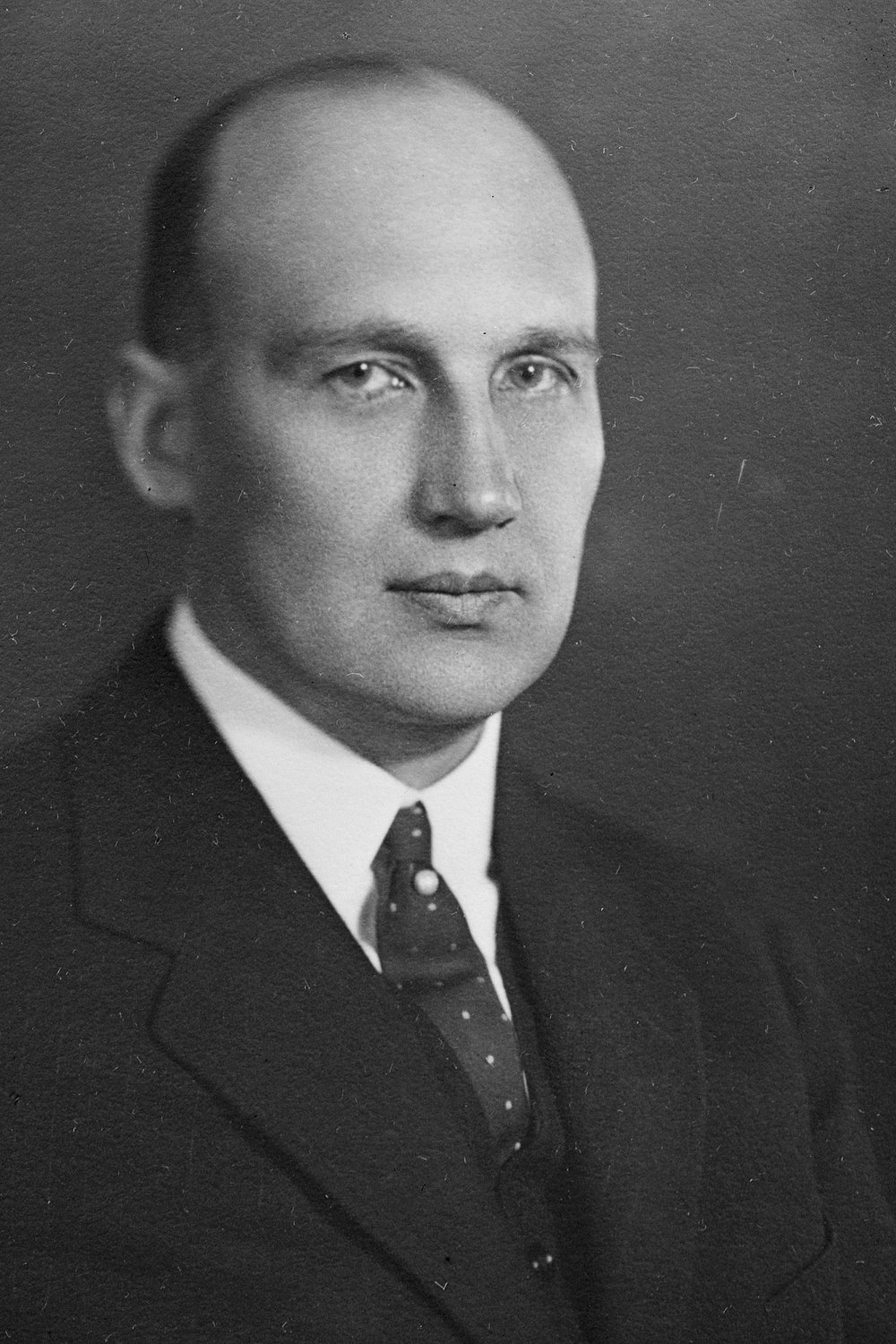
The Match King
By 1929 Ivar Kreuger controlled two-thirds of the world's match production and was lending sovereign nations more money than J.P. Morgan. A meaningful part of the collateral was $100 million of Italian government bonds…
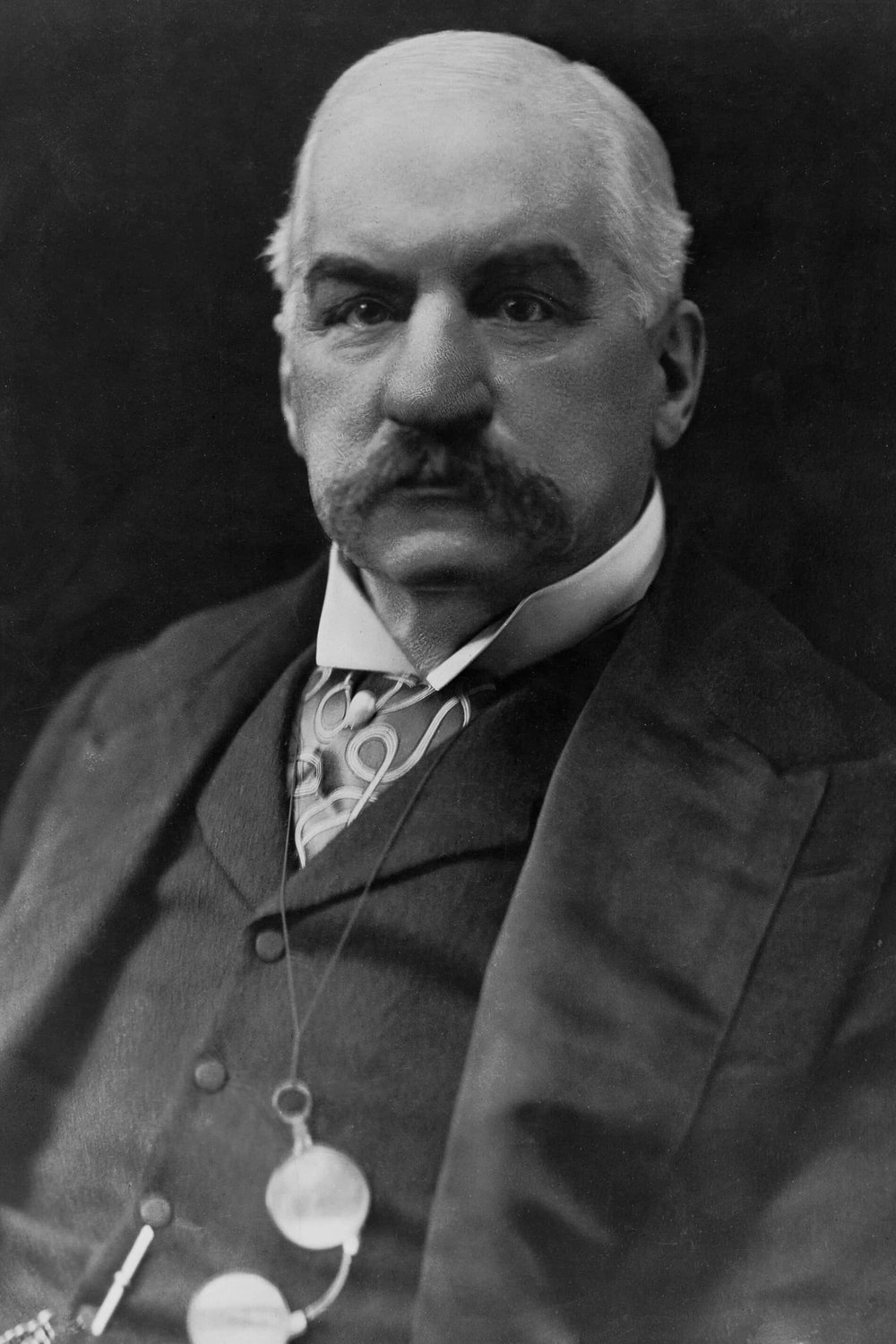
The Locked Library
In the autumn of 1907, with banks failing and no central bank existing, one private citizen reportedly kept the heads of American finance in his library until dawn, until they pledged the money to stop the run. One of…

Newton's Madness
Isaac Newton sold his South Sea Company shares in April 1720 at a solid profit. Then he watched the bubble triple without him, bought back in near the top, and lost a fortune, around £20,000, a lifetime of income.
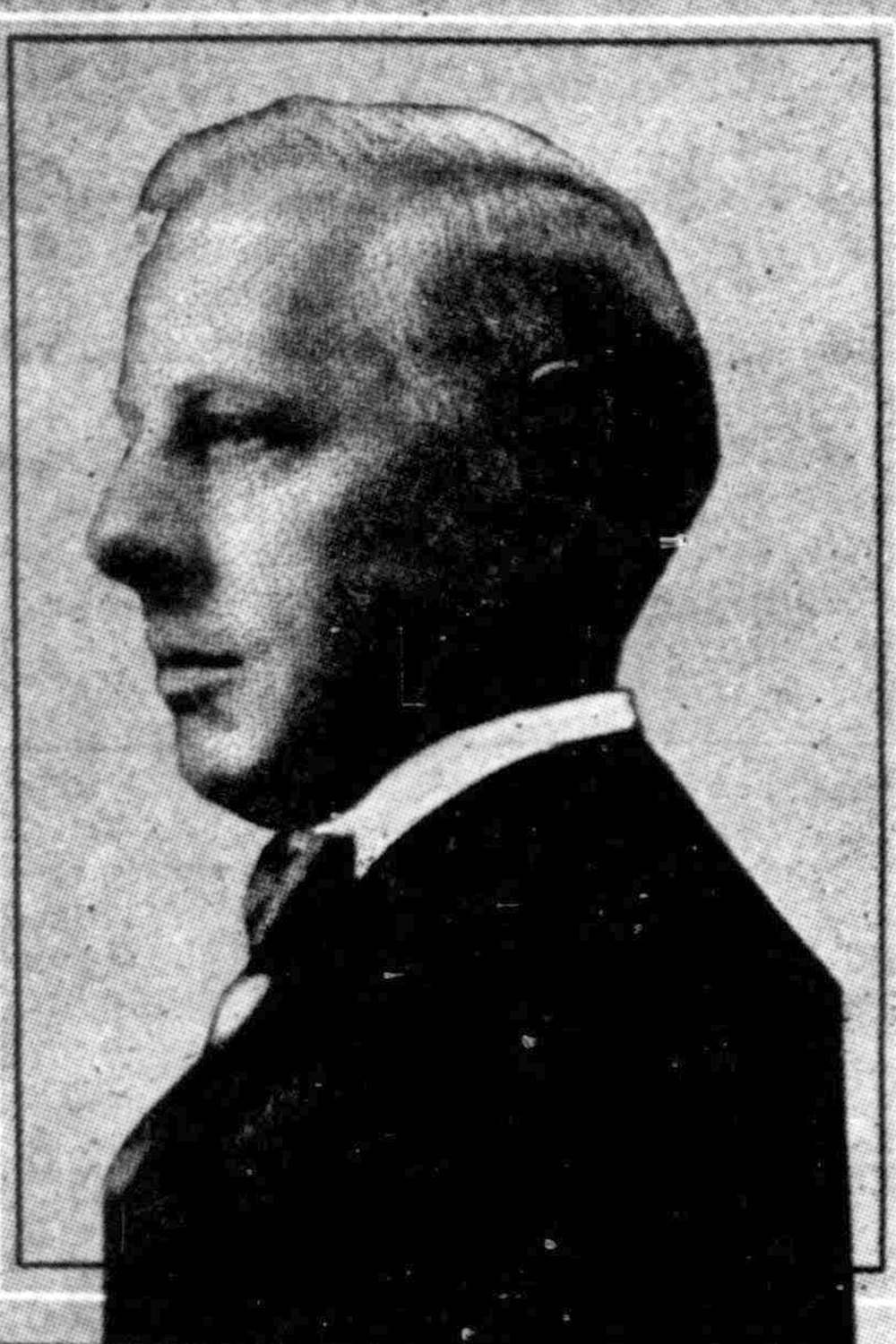
Tired of Fighting
Jesse Livermore shorted the 1929 crash and, by the widely reported figure, made around $100 million while the country broke. America blamed him for it. Eleven years later he died broke by his own hand, leaving a note…
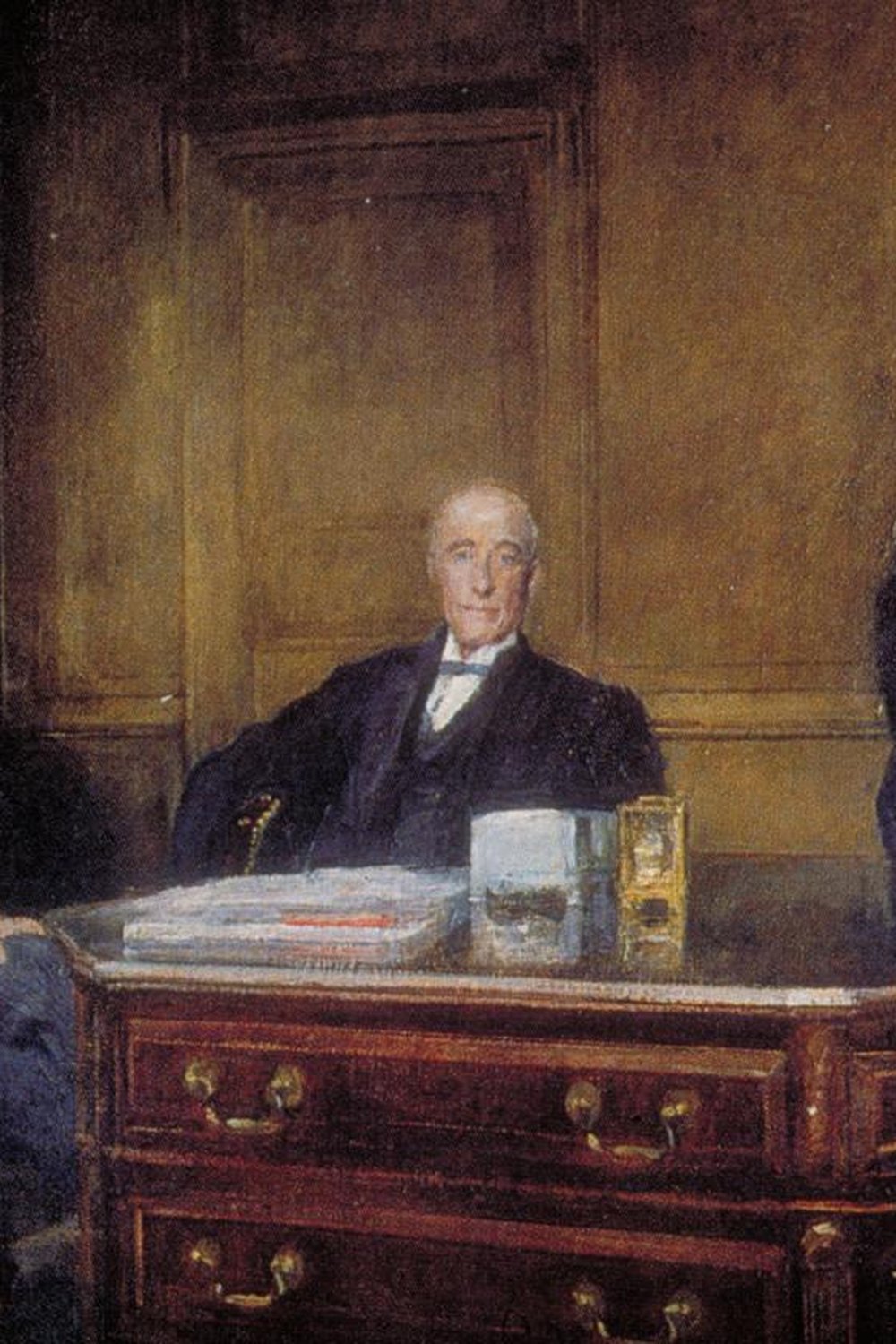
Account 88888
A 28-year-old trader ran both Barings' Singapore trading desk and the back office that checked it. His hidden error account, 88888, swallowed losses for three years, until the 233-year-old bank that financed the…
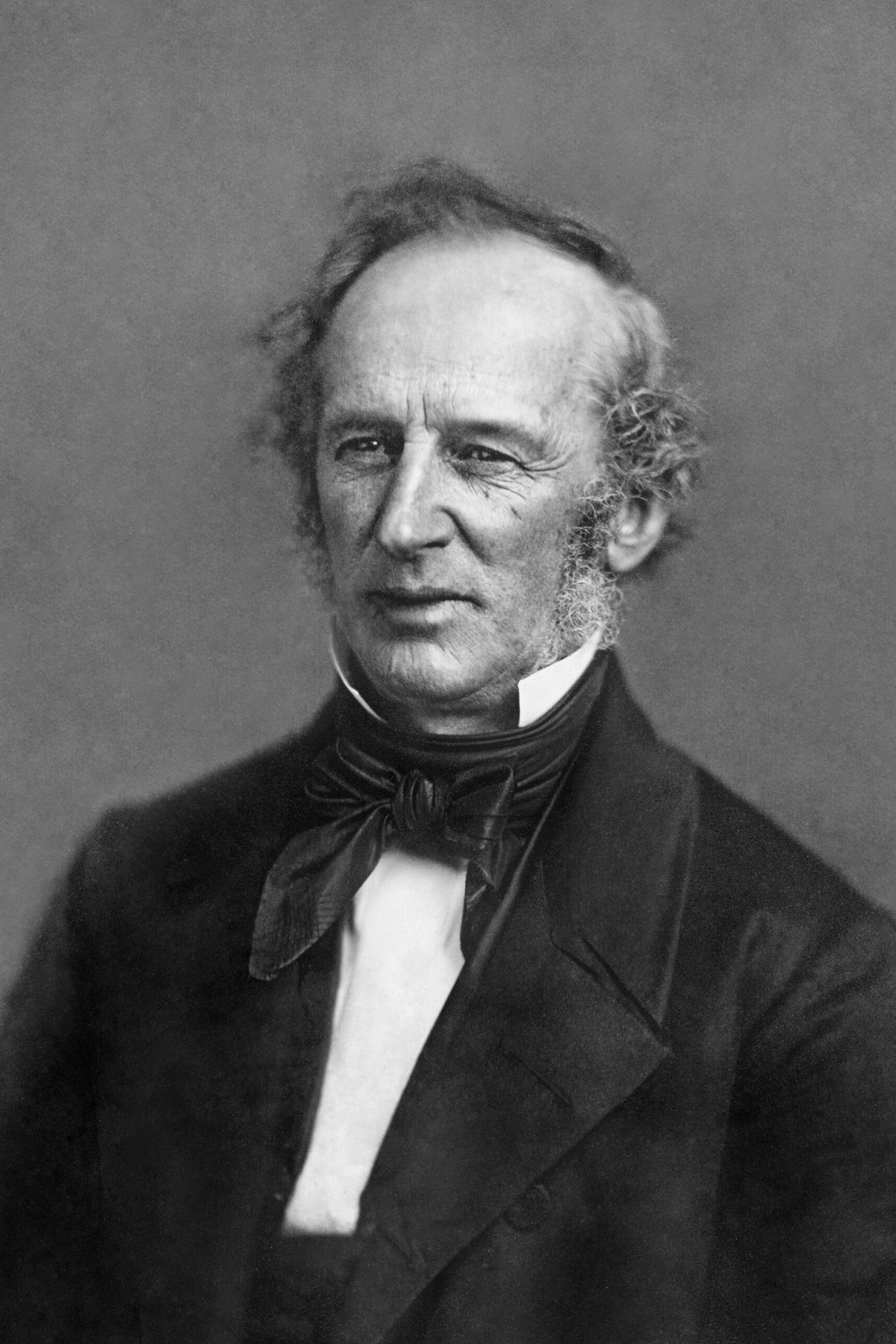
No Millionaires at the Reunion
When Cornelius Vanderbilt died in 1877 he was worth more than the US Treasury held. In 1973, one hundred twenty of his descendants gathered for a family reunion, and by the family chronicler's account, not one of them…
The Bridge and the Bricks
In June 1982 the chairman of Italy's largest private bank was found hanging under Blackfriars Bridge in London, bricks and £10,000 in his pockets. Ruled suicide. Twenty years later the forensics were redone, the ruling…
New cases drop daily on  TikTok and
  Instagram. One case a day, one model you can retell.