Money & Markets
The Forgotten $450 Million Day
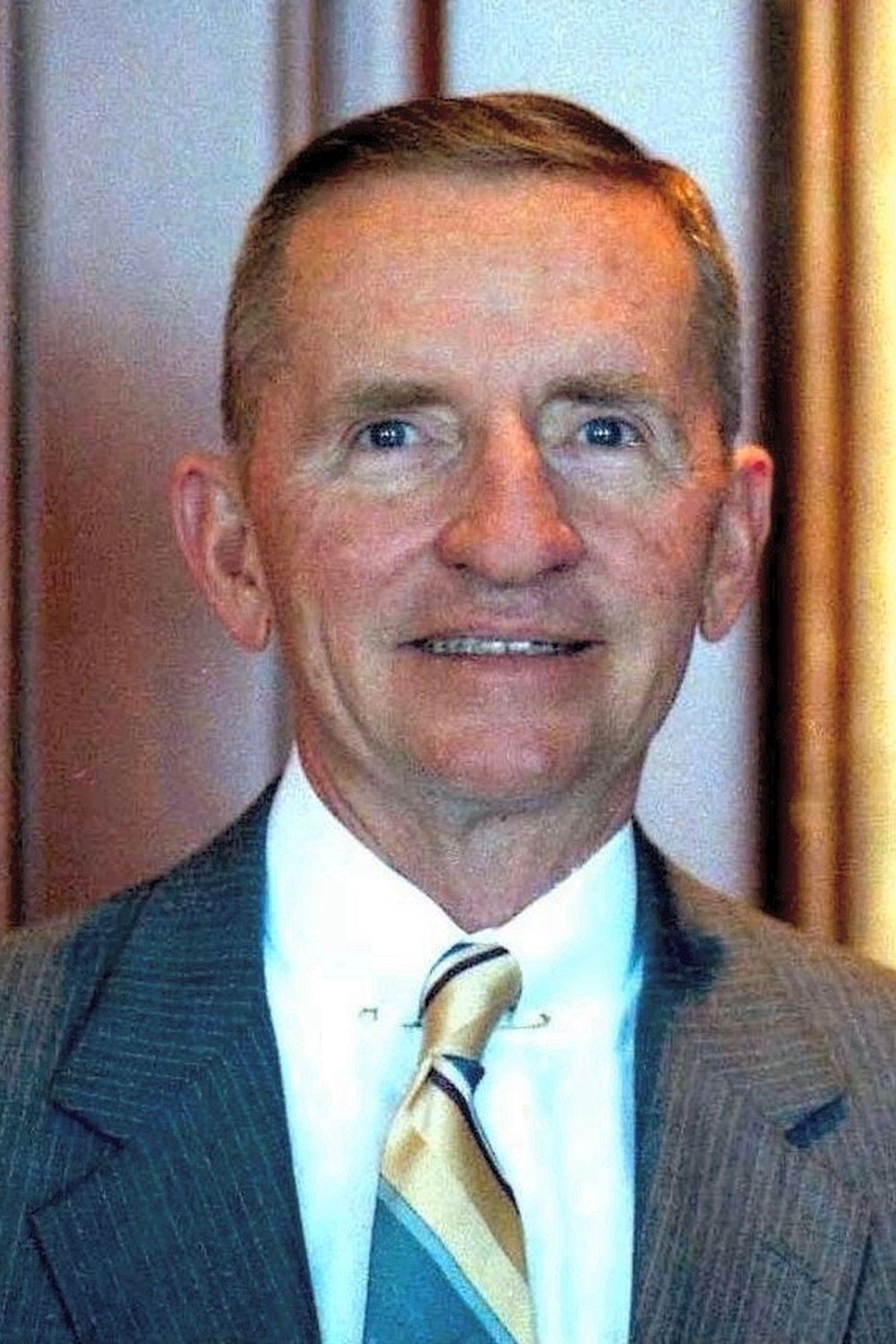
On one spring day in 1970, Ross Perot lost about $450 million on paper, the largest one-day personal loss anyone had recorded. Almost nobody remembers it, because of what he did next: nothing.
April 22, 1970 · Ross Perot
What actually happened
Electronic Data Systems had IPO'd in 1968 at a fantastic multiple and made Perot the symbol of the go-go years; the 1970 tech washout then took the stock down as fast as it had risen, and on April 22, ironically the day of the first Earth Day, Perot's stake collapsed by nearly half a billion dollars.
He didn't sell, didn't leverage, didn't explain himself to anyone. EDS's actual business, running data systems on long contracts, was fine, and in time the market agreed; General Motors bought EDS in 1984 for $2.5 billion, and Perot banked more than the paper he'd once 'lost.'
John Brooks made the day a chapter in The Go-Go Years; CNBC revisited it decades later with the same conclusion: the loss was real only if he'd made it real.
The longer arc
Perot built EDS from nothing, founding it in 1962 with $1,000 in savings after leaving a sales job at IBM, and grew it by processing Medicare and Medicaid claims for state governments, a captive, recession-resistant business that made the 1968 IPO possible and made Perot, briefly, one of the richest men in America on paper. That same paper fortune was what evaporated in a single trading session on April 22, 1970, without a single one of the underlying government contracts changing at all.
EDS's actual cash flow kept generating through the crash, and the stock recovered over the following decade. General Motors bought the company outright in 1984 for $2.5 billion and put Perot on its board, where he clashed publicly with chairman Roger Smith over GM's bureaucracy and slow pace; GM ended the fight in 1986 by paying Perot roughly $700 million to give up his stock, resign, and stop criticizing the company in public, a deal press coverage at the time likened to greenmail. Perot went on to found Perot Systems and run two independent presidential campaigns, in 1992 and 1996.
The play to remember
The play.
Paper losses become actual losses at the moment you act on them.
The most underrated trade is the one you don't make.
Was this interesting?
Select an option to vote. You can change it anytime.
Recommended for You
Friday the 13th, 1307
The Knights Templar ran Europe's first international bank: deposit in London, withdraw in Jerusalem by letter of credit. Their biggest debtor was the King of France. On a single Friday morning, he erased the debt by…
The Receipt
In 1519 the crown of the Holy Roman Empire went to auction between kings, and the winning bid came from a commoner. Four years later, with the emperor stalling on the debt, Jacob Fugger sent him what history remembers…
The Match King
By 1929 Ivar Kreuger controlled two-thirds of the world's match production and was lending sovereign nations more money than J.P. Morgan. A meaningful part of the collateral was $100 million of Italian government bonds…
The Locked Library
In the autumn of 1907, with banks failing and no central bank existing, one private citizen reportedly kept the heads of American finance in his library until dawn, until they pledged the money to stop the run. One of…
Newton's Madness
Isaac Newton sold his South Sea Company shares in April 1720 at a solid profit. Then he watched the bubble triple without him, bought back in near the top, and lost a fortune, around £20,000, a lifetime of income.
Tired of Fighting
Jesse Livermore shorted the 1929 crash and, by the widely reported figure, made around $100 million while the country broke. America blamed him for it. Eleven years later he died broke by his own hand, leaving a note…
Account 88888
A 28-year-old trader ran both Barings' Singapore trading desk and the back office that checked it. His hidden error account, 88888, swallowed losses for three years, until the 233-year-old bank that financed the…
No Millionaires at the Reunion
When Cornelius Vanderbilt died in 1877 he was worth more than the US Treasury held. In 1973, one hundred twenty of his descendants gathered for a family reunion, and by the family chronicler's account, not one of them…
The Bridge and the Bricks
In June 1982 the chairman of Italy's largest private bank was found hanging under Blackfriars Bridge in London, bricks and £10,000 in his pockets. Ruled suicide. Twenty years later the forensics were redone, the ruling…
New cases drop daily on  TikTok and
  Instagram. One case a day, one model you can retell.