Money & Markets
Ten Sigma
Long-Term Capital Management had two Nobel laureates, returns of 40%, and models that priced its August 1998 losses as so unlikely the universe wasn't old enough to expect one. The Fed had to convene fourteen banks to unwind it before it took the system down.
Greenwich, 1998 · LTCM, Merton & Scholes

What actually happened
LTCM's convergence trades were individually tiny edges, leveraged roughly 25-to-1 (far higher including derivatives) into billions. The models assumed markets stay liquid and panics stay local; Russia's default in August 1998 made every 'uncorrelated' position correlate at once, because the common factor was LTCM-style leverage itself.
The fund lost $4.6 billion in weeks. The New York Fed brokered a $3.6 billion private recapitalization: not a bailout with public money, but an admission that one hedge fund's book had become systemic. Merton and Scholes had won the Nobel for the option-pricing mathematics the year before.
Ferguson's framing, kept in the episode: the models weren't wrong about the past. They were only wrong about how much past there was.
The longer arc
LTCM was founded in 1994 by John Meriwether, who had run Salomon Brothers's bond arbitrage desk until a trading scandal forced him out in 1991, and he recruited Myron Scholes, Robert Merton, and a roster of former regulators and PhD traders whose collective pedigree let the fund raise $1.25 billion at launch and demand terms most investors would never accept from an unproven manager. Merton and Scholes won the Nobel Memorial Prize in Economic Sciences in 1997, a year before the fund's collapse, for the options-pricing work their own firm's models leaned on.
The $3.6 billion rescue arranged by the New York Fed in September 1998 was private-sector money, not a government bailout, and it worked well enough that the consortium banks were eventually repaid with a modest profit as markets normalized. Meriwether started over anyway, launching JWM Partners in 1999; it grew to roughly $3 billion before the 2008 financial crisis, then lost 44 percent in the ensuing panic and Meriwether closed it for good in July 2009, repeating, on a smaller scale, the same leverage-meets-liquidity-crunch failure LTCM had suffered a decade earlier.
The play to remember
The play.
Leverage converts being right eventually into being insolvent now.
Ten-sigma events are usually one-sigma flaws in the model.
Was this interesting?
Select an option to vote. You can change it anytime.
Recommended for You
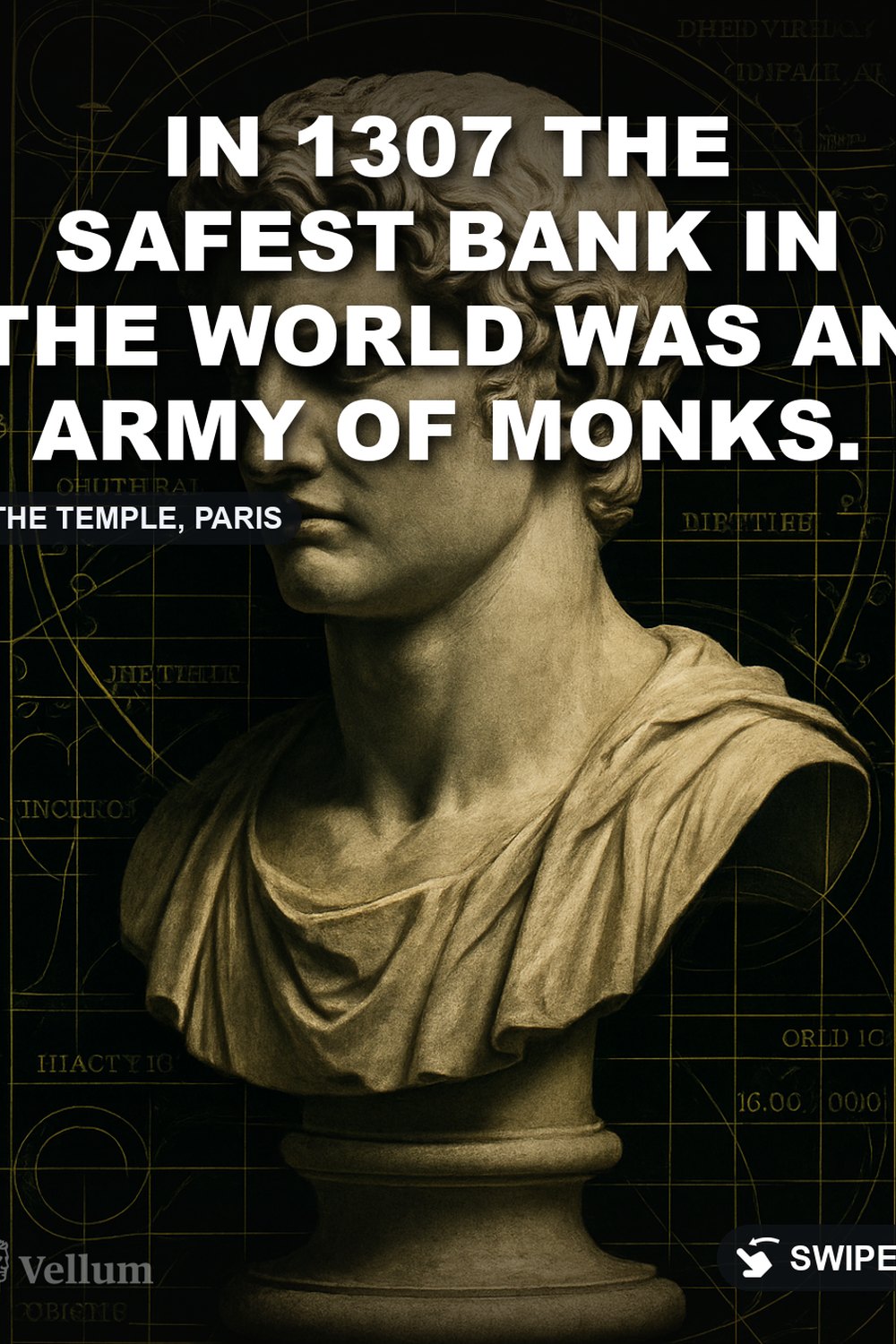
Friday the 13th, 1307
The Knights Templar ran Europe's first international bank: deposit in London, withdraw in Jerusalem by letter of credit. Their biggest debtor was the King of France. On a single Friday morning, he erased the debt by…
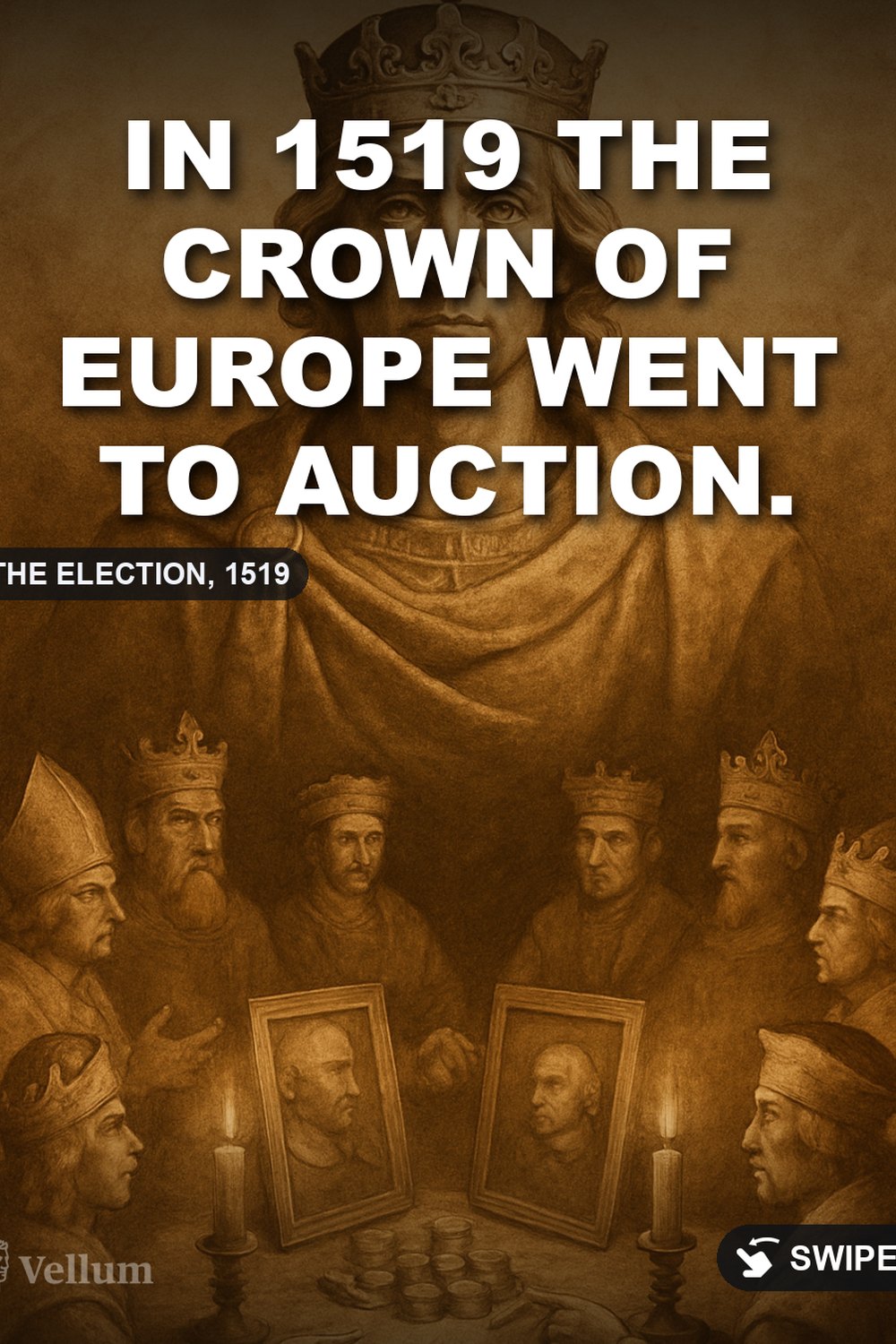
The Receipt
In 1519 the crown of the Holy Roman Empire went to auction between kings, and the winning bid came from a commoner. Four years later, with the emperor stalling on the debt, Jacob Fugger sent him what history remembers…
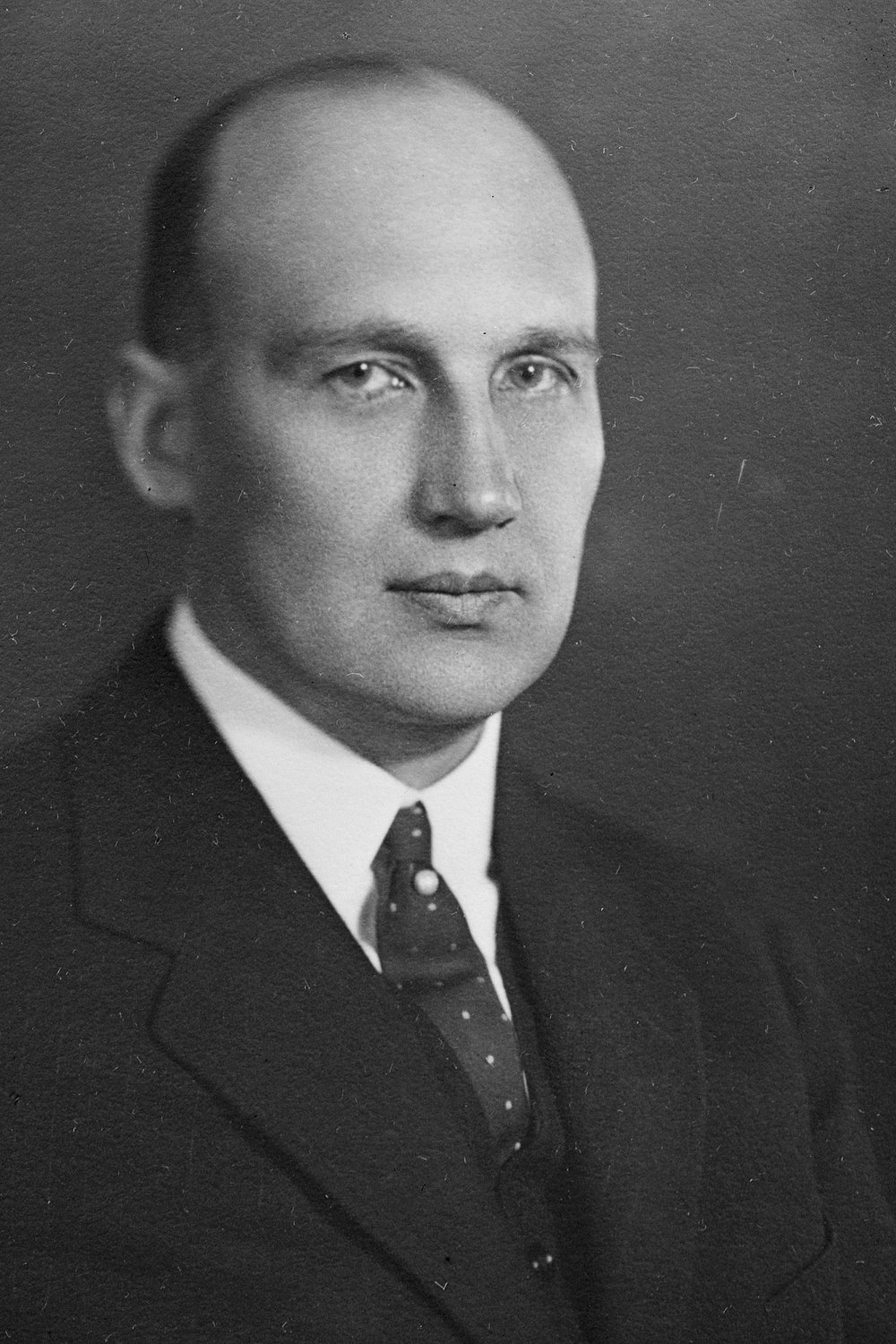
The Match King
By 1929 Ivar Kreuger controlled two-thirds of the world's match production and was lending sovereign nations more money than J.P. Morgan. A meaningful part of the collateral was $100 million of Italian government bonds…
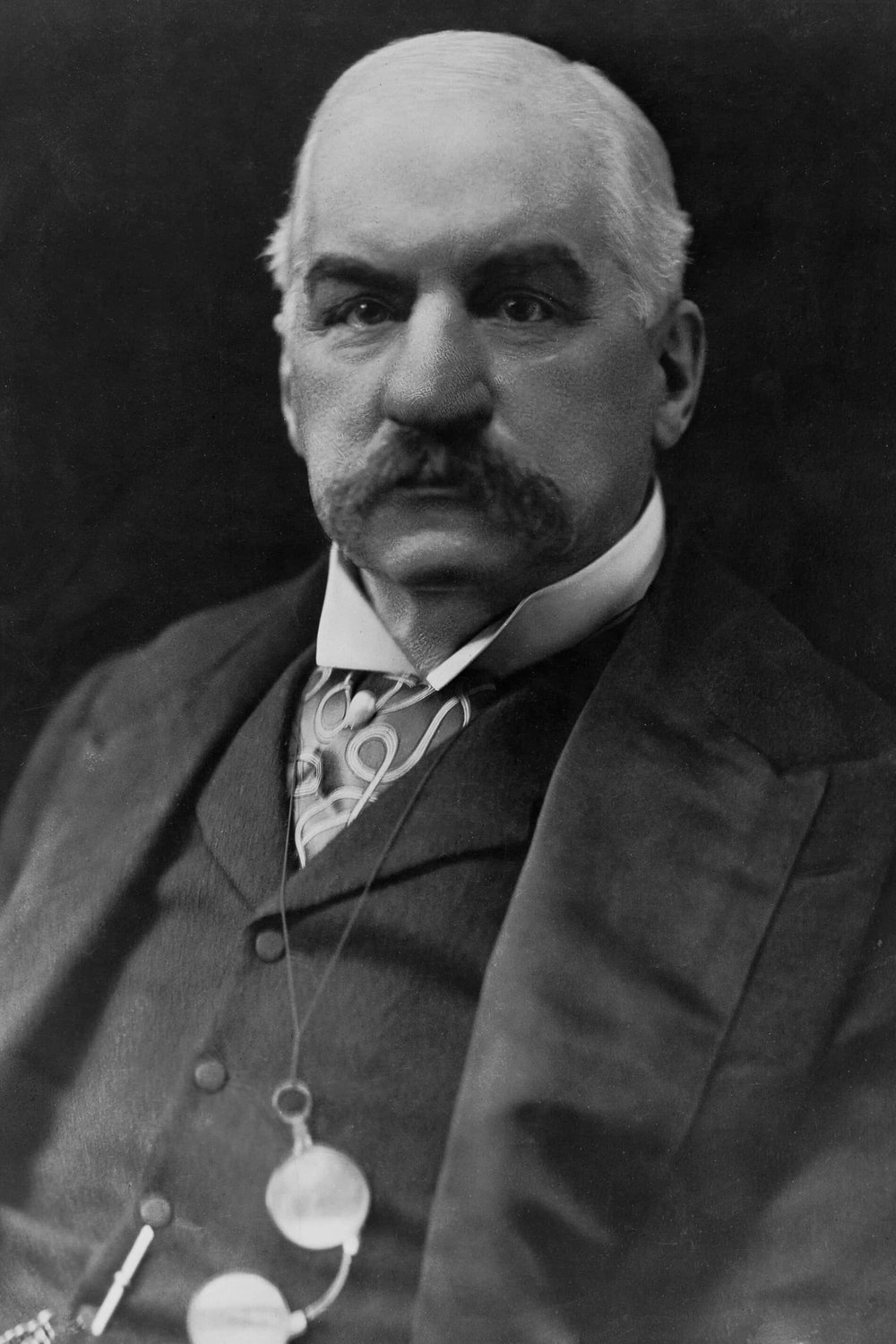
The Locked Library
In the autumn of 1907, with banks failing and no central bank existing, one private citizen reportedly kept the heads of American finance in his library until dawn, until they pledged the money to stop the run. One of…

Newton's Madness
Isaac Newton sold his South Sea Company shares in April 1720 at a solid profit. Then he watched the bubble triple without him, bought back in near the top, and lost a fortune, around £20,000, a lifetime of income.
Tired of Fighting
Jesse Livermore shorted the 1929 crash and, by the widely reported figure, made around $100 million while the country broke. America blamed him for it. Eleven years later he died broke by his own hand, leaving a note…
Account 88888
A 28-year-old trader ran both Barings' Singapore trading desk and the back office that checked it. His hidden error account, 88888, swallowed losses for three years, until the 233-year-old bank that financed the…
No Millionaires at the Reunion
When Cornelius Vanderbilt died in 1877 he was worth more than the US Treasury held. In 1973, one hundred twenty of his descendants gathered for a family reunion, and by the family chronicler's account, not one of them…
The Bridge and the Bricks
In June 1982 the chairman of Italy's largest private bank was found hanging under Blackfriars Bridge in London, bricks and £10,000 in his pockets. Ruled suicide. Twenty years later the forensics were redone, the ruling…
New cases drop daily on  TikTok and
  Instagram. One case a day, one model you can retell.