Money & Markets
The Gambler Who Owned France
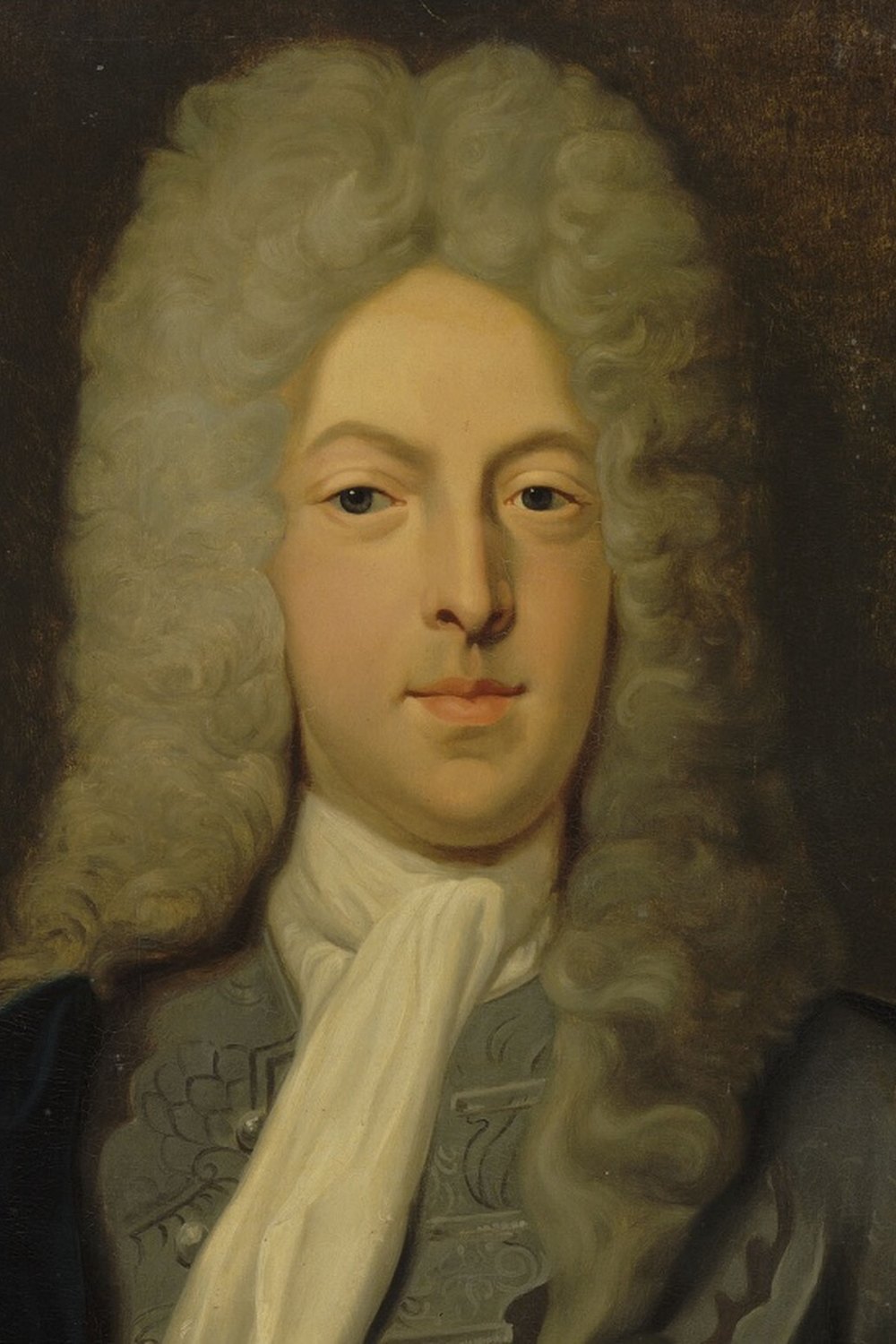
A Scottish duelist who escaped a death sentence taught France to use paper money, took over its national debt, its colonial trade and its tax collection, and for a few months in 1720 was arguably the most powerful private individual in European history. It lasted less than a year.
Paris, 1716–1720 · John Law
What actually happened
Law's System merged a note-issuing bank with the Mississippi Company until shares, currency and state debt were one self-referential machine: print notes to buy shares, watch shares rise, print more. 'Millionaire' entered the language on the Rue Quincampoix. As Controller-General, Law effectively ran the French economy.
When holders tried to convert paper back into coin, the System needed exits it didn't have. Law capped, devalued, forbade gold hoarding, and each decree burned trust faster. By December 1720 he fled France with almost nothing; the state carried the wreckage and a lasting French suspicion of paper money and central banks.
Ferguson's verdict, which the episode adopts: not a simple swindler, but a monetary theorist a century early, with a gambler's tolerance for the downside of being wrong.
The longer arc
Law arrived in France already a fugitive: a 1694 duel in London had left his opponent dead, a death sentence commuted from hanging to a fine that Law escaped by breaking out of prison and fleeing to the Continent. He spent the next two decades pitching a national bank backed by land or paper credit to any government that would listen, including his native Scotland, which rejected the idea before France, desperate after Louis XIV's debts, finally accepted it in 1716.
When his System collapsed in 1720, Law fled France with almost nothing, spent years drifting through Europe including a stint under surveillance in England, and settled at the end of his life in Venice, where he died in 1729, poor and largely forgotten, of pneumonia. He was buried in the church of San Moisè, where his grave remains. France's finances took decades to recover from the wreckage, and the episode left a durable national suspicion of paper currency that resurfaced when the Revolutionary government's own paper money, the assignat, also collapsed into hyperinflation seventy years later.
The play to remember
The play.
A currency is a story everyone agrees to keep telling.
Print the story faster than the belief and both stop.
Was this interesting?
Select an option to vote. You can change it anytime.
Recommended for You
Friday the 13th, 1307
The Knights Templar ran Europe's first international bank: deposit in London, withdraw in Jerusalem by letter of credit. Their biggest debtor was the King of France. On a single Friday morning, he erased the debt by…
The Receipt
In 1519 the crown of the Holy Roman Empire went to auction between kings, and the winning bid came from a commoner. Four years later, with the emperor stalling on the debt, Jacob Fugger sent him what history remembers…
The Match King
By 1929 Ivar Kreuger controlled two-thirds of the world's match production and was lending sovereign nations more money than J.P. Morgan. A meaningful part of the collateral was $100 million of Italian government bonds…
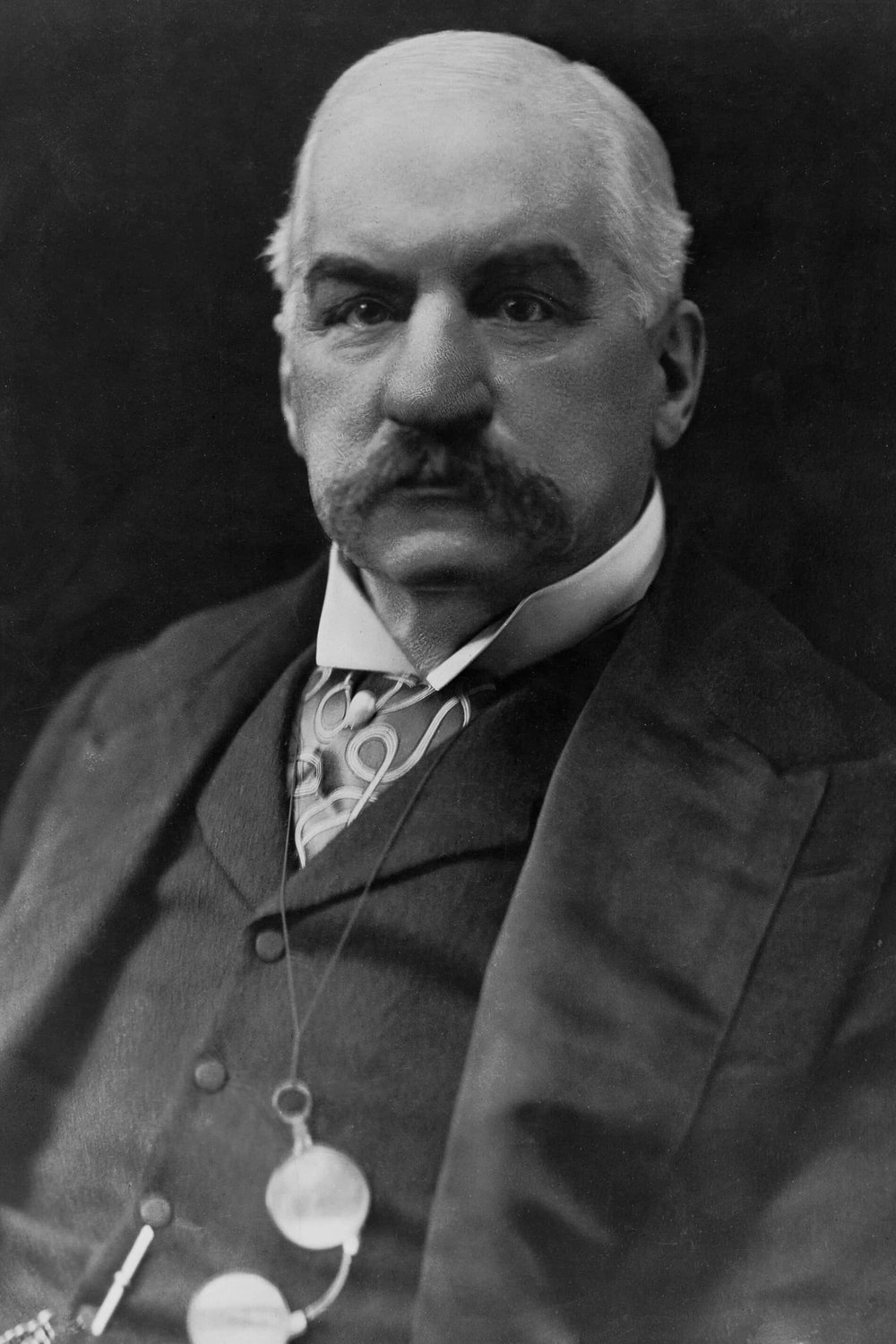
The Locked Library
In the autumn of 1907, with banks failing and no central bank existing, one private citizen reportedly kept the heads of American finance in his library until dawn, until they pledged the money to stop the run. One of…

Newton's Madness
Isaac Newton sold his South Sea Company shares in April 1720 at a solid profit. Then he watched the bubble triple without him, bought back in near the top, and lost a fortune, around £20,000, a lifetime of income.
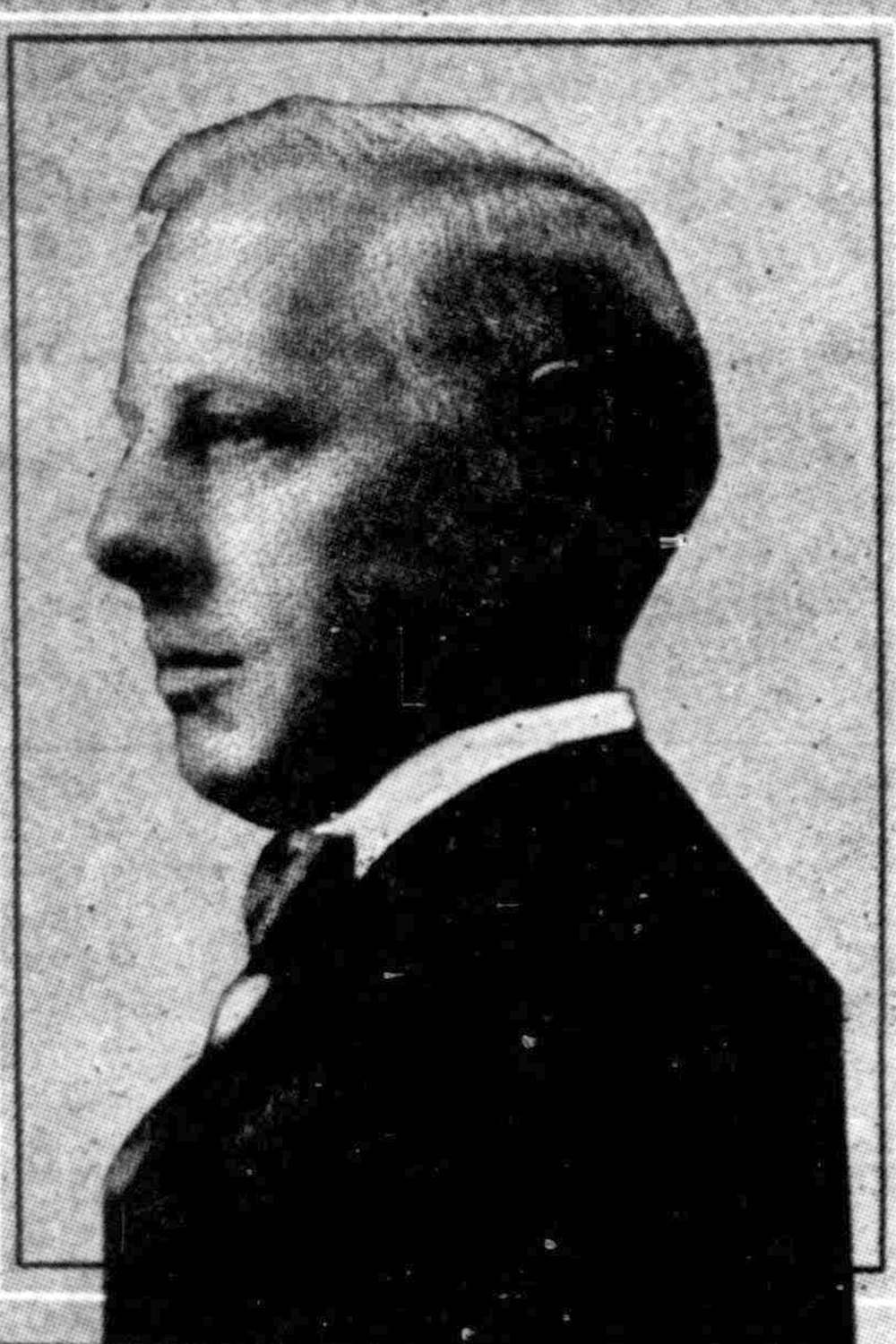
Tired of Fighting
Jesse Livermore shorted the 1929 crash and, by the widely reported figure, made around $100 million while the country broke. America blamed him for it. Eleven years later he died broke by his own hand, leaving a note…
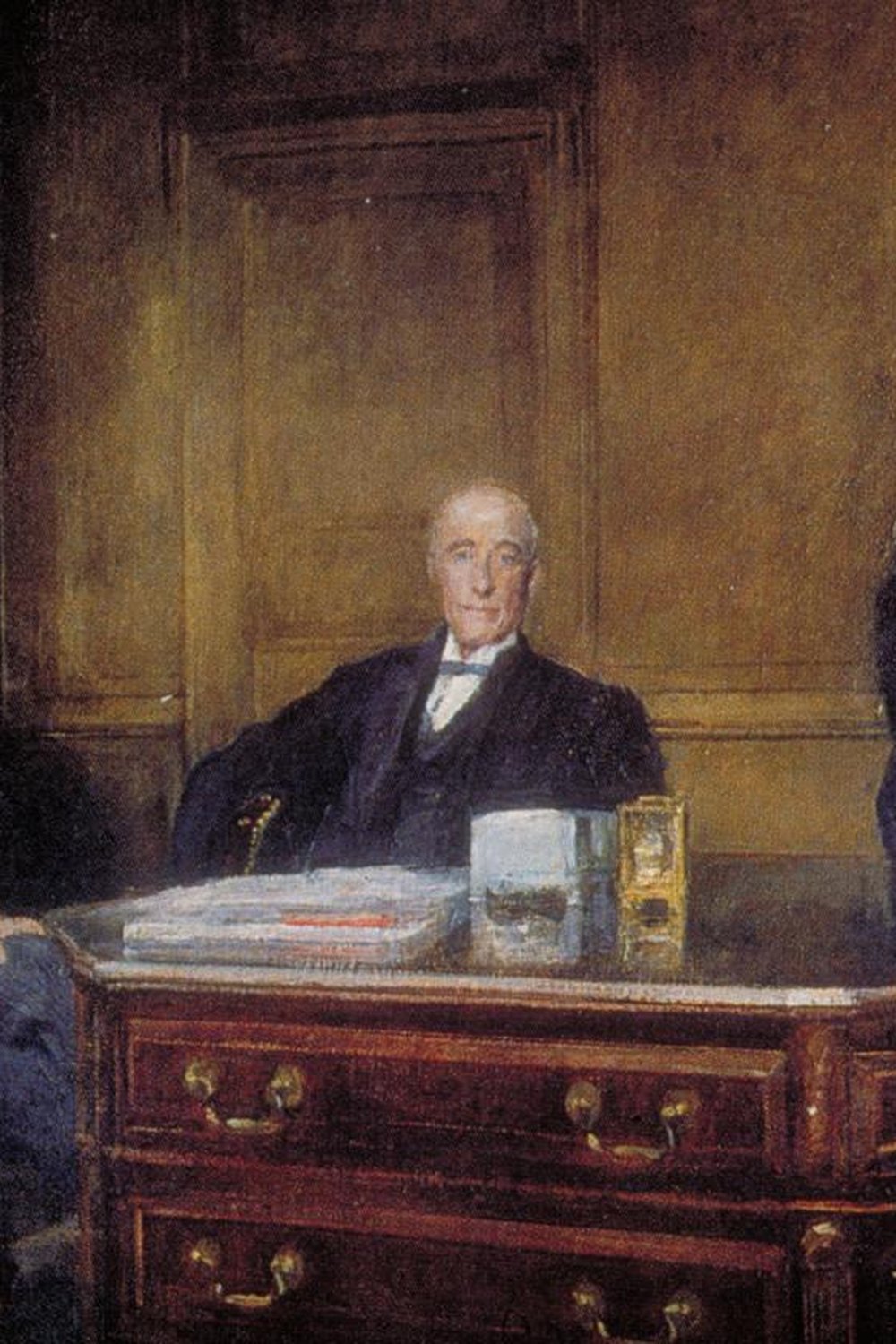
Account 88888
A 28-year-old trader ran both Barings' Singapore trading desk and the back office that checked it. His hidden error account, 88888, swallowed losses for three years, until the 233-year-old bank that financed the…
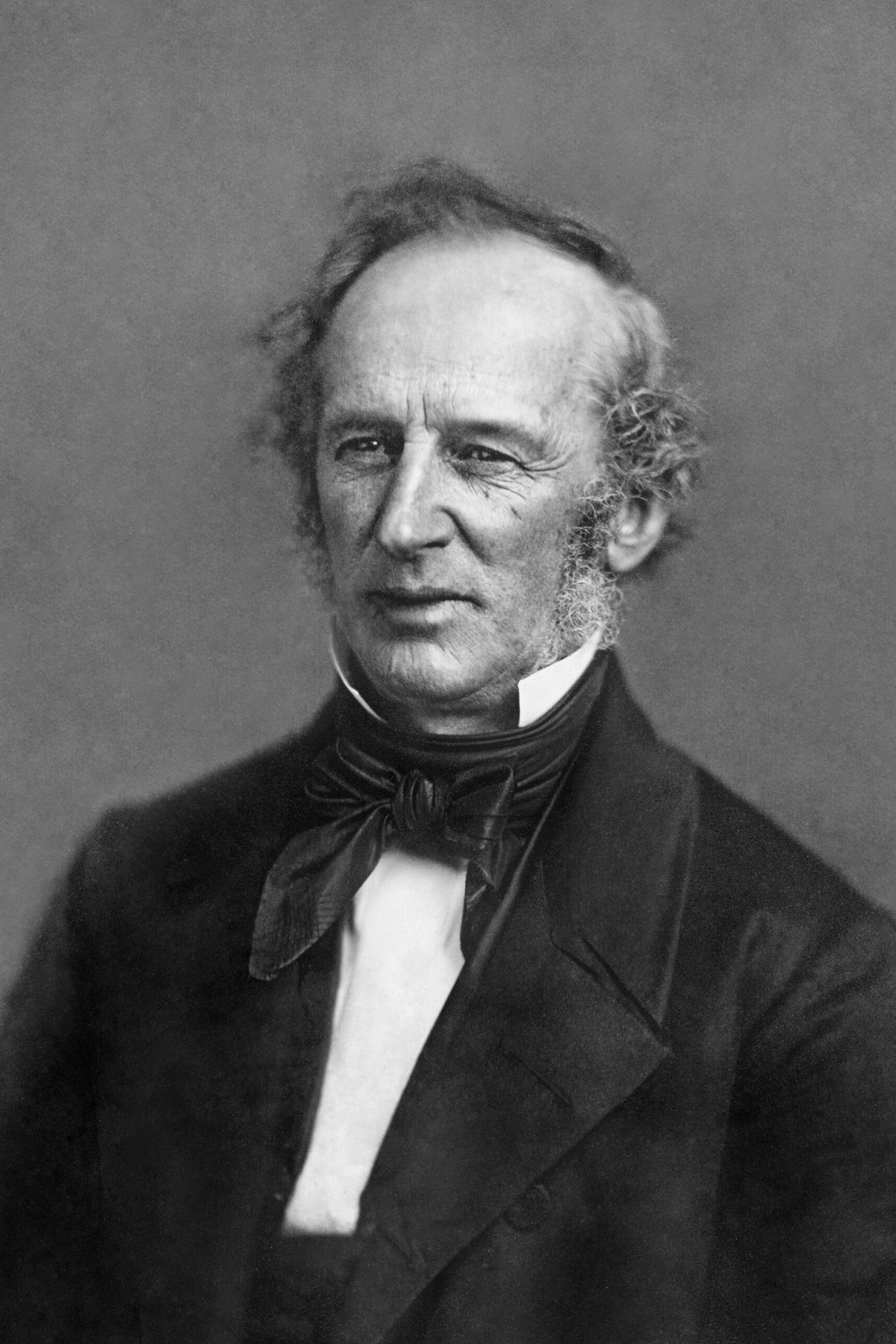
No Millionaires at the Reunion
When Cornelius Vanderbilt died in 1877 he was worth more than the US Treasury held. In 1973, one hundred twenty of his descendants gathered for a family reunion, and by the family chronicler's account, not one of them…
The Bridge and the Bricks
In June 1982 the chairman of Italy's largest private bank was found hanging under Blackfriars Bridge in London, bricks and £10,000 in his pockets. Ruled suicide. Twenty years later the forensics were redone, the ruling…
New cases drop daily on  TikTok and
  Instagram. One case a day, one model you can retell.