Money & Markets
The First Meme Crash
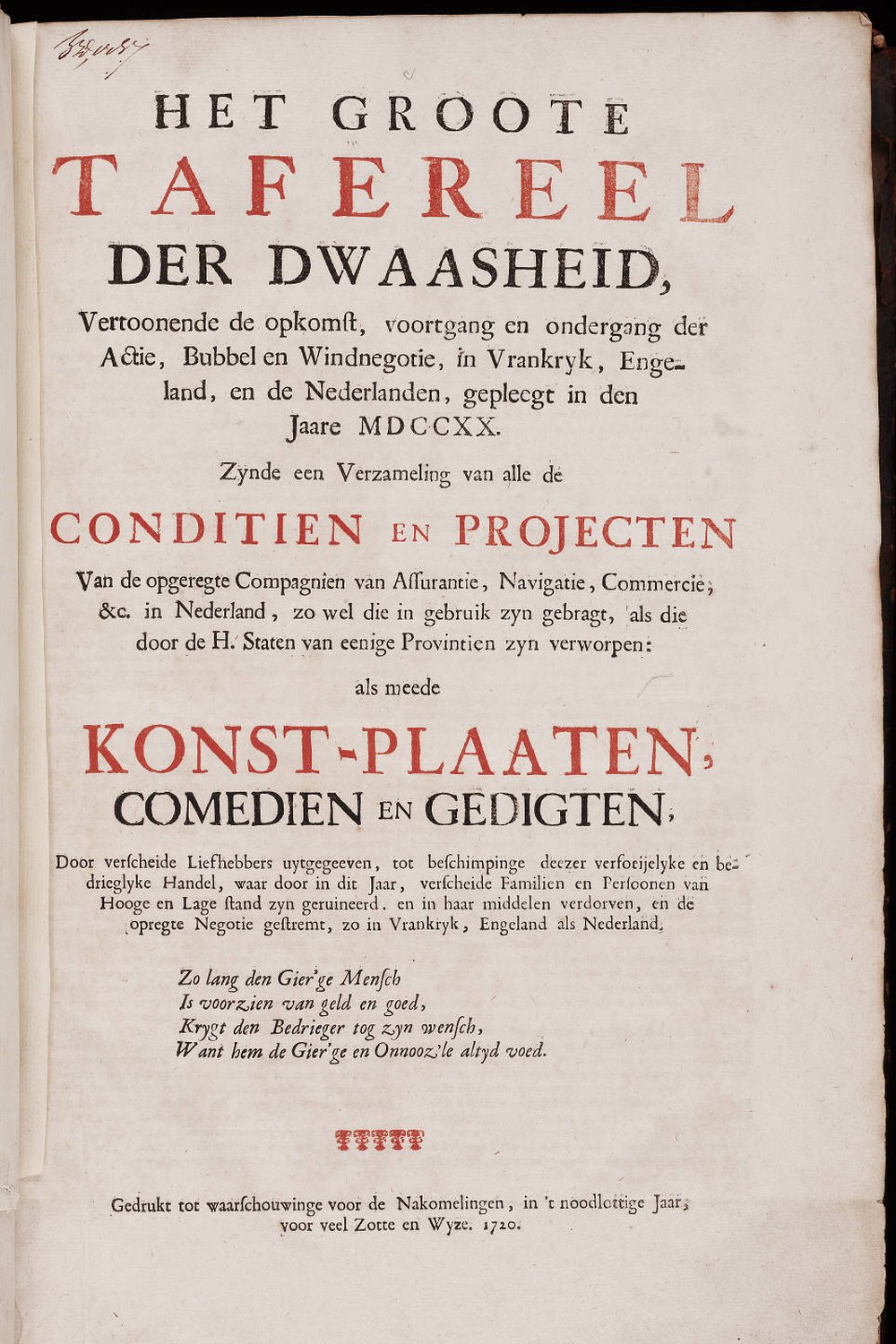
After the crashes of 1720 wiped out speculators in Paris, London and Amsterdam, Dutch publishers produced something unprecedented: a giant crowd-assembled scrapbook of satirical engravings, poems and fake share certificates mocking the disaster. No two copies are identical.
Amsterdam, 1720 · The Great Mirror of Folly
What actually happened
Het Groote Tafereel der Dwaasheid ('The Great Mirror of Folly') collected caricatures of John Law as a wind merchant, allegories of Lady Fortune defecating shares, board games of financial ruin, and playing cards of bankrupt investors. It was printed fast, sold loose, and bound by each buyer into whatever volume they wanted.
That format makes it, functionally, the first meme archive of a financial crash: decentralized, remixable, savage, and produced while the losses were still fresh. Harvard, Yale and Dutch libraries have digitized copies, and every one differs.
Economists still mine it: the engravings record which schemes the public actually understood versus which ones they only laughed at.
The longer arc
The 1720 crash it mocked was really three crashes in sequence: John Law's Mississippi Company collapsed in Paris that spring, the South Sea Bubble burst in London that summer, and a wave of copycat Dutch windhandel, or wind-trading, companies selling shares in nonexistent ventures collapsed in Amsterdam that autumn, having openly imitated the French and English schemes within months of their launch. Dutch publishers, watching all three implode from a market that had stayed comparatively sober, rushed the satirical compilation into print before the year was out.
Because printers sold the engravings, poems, and mock stock certificates as loose sheets rather than a bound book, buyers assembled their own copies in whatever order and combination they wanted, which is why no two surviving originals match. Amsterdam itself weathered the episode better than Paris or London and remained Europe's leading financial center for most of the following century. Modern economic historians, including William Goetzmann's team, which produced a full English-language study and digitization published by Yale University Press, still use the collection's imagery to gauge which specific bubble schemes ordinary Dutch readers understood well enough to lampoon.
The play to remember
The play.
Ridicule is how markets metabolize catastrophe.
The jokes after a crash are data about what everyone secretly knew during the boom.
Was this interesting?
Select an option to vote. You can change it anytime.
Recommended for You
Friday the 13th, 1307
The Knights Templar ran Europe's first international bank: deposit in London, withdraw in Jerusalem by letter of credit. Their biggest debtor was the King of France. On a single Friday morning, he erased the debt by…
The Receipt
In 1519 the crown of the Holy Roman Empire went to auction between kings, and the winning bid came from a commoner. Four years later, with the emperor stalling on the debt, Jacob Fugger sent him what history remembers…
The Match King
By 1929 Ivar Kreuger controlled two-thirds of the world's match production and was lending sovereign nations more money than J.P. Morgan. A meaningful part of the collateral was $100 million of Italian government bonds…
The Locked Library
In the autumn of 1907, with banks failing and no central bank existing, one private citizen reportedly kept the heads of American finance in his library until dawn, until they pledged the money to stop the run. One of…

Newton's Madness
Isaac Newton sold his South Sea Company shares in April 1720 at a solid profit. Then he watched the bubble triple without him, bought back in near the top, and lost a fortune, around £20,000, a lifetime of income.
Tired of Fighting
Jesse Livermore shorted the 1929 crash and, by the widely reported figure, made around $100 million while the country broke. America blamed him for it. Eleven years later he died broke by his own hand, leaving a note…
Account 88888
A 28-year-old trader ran both Barings' Singapore trading desk and the back office that checked it. His hidden error account, 88888, swallowed losses for three years, until the 233-year-old bank that financed the…
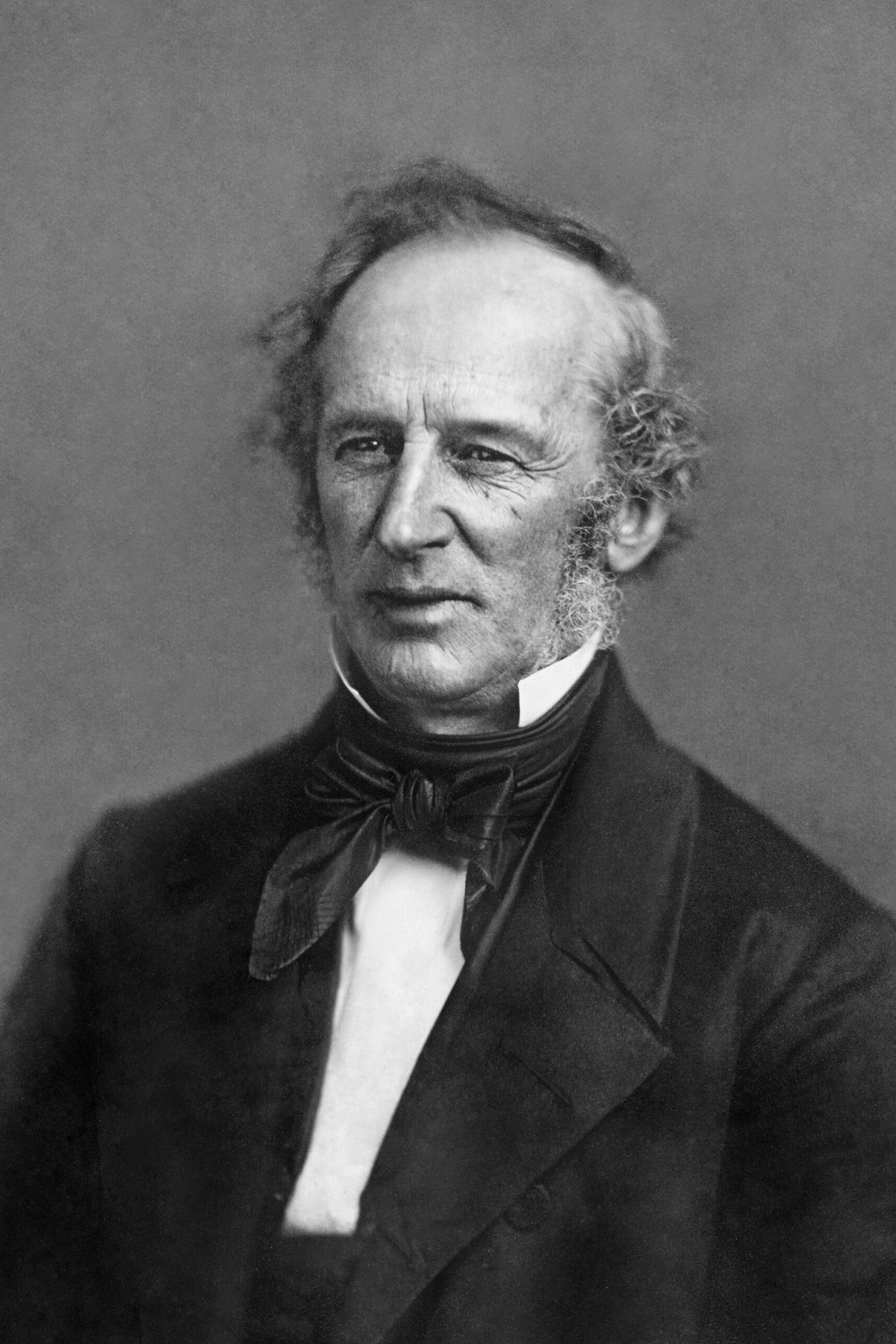
No Millionaires at the Reunion
When Cornelius Vanderbilt died in 1877 he was worth more than the US Treasury held. In 1973, one hundred twenty of his descendants gathered for a family reunion, and by the family chronicler's account, not one of them…
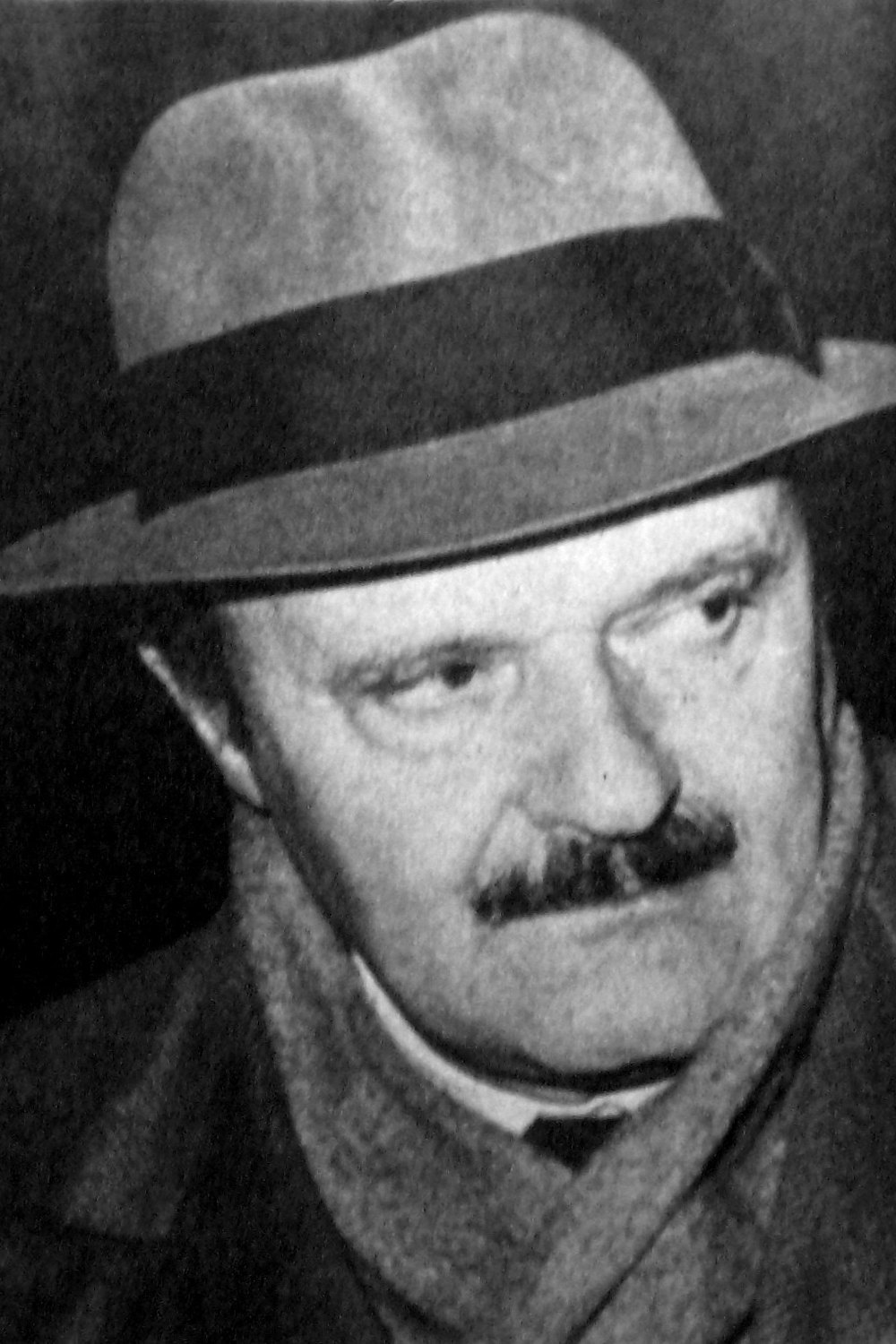
The Bridge and the Bricks
In June 1982 the chairman of Italy's largest private bank was found hanging under Blackfriars Bridge in London, bricks and £10,000 in his pockets. Ruled suicide. Twenty years later the forensics were redone, the ruling…
New cases drop daily on  TikTok and
  Instagram. One case a day, one model you can retell.