Money & Markets
The President's Con Man
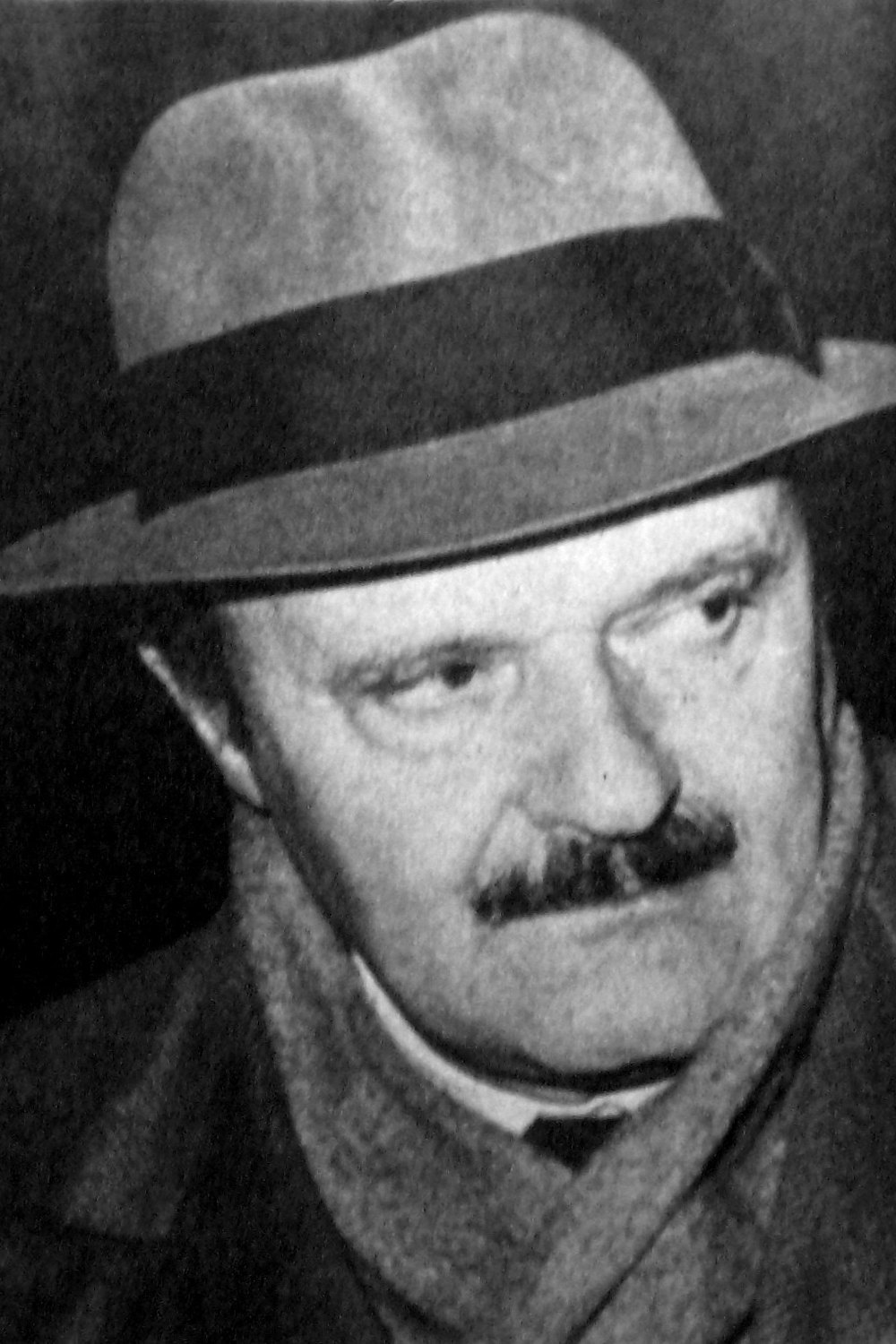
Wall Street called Ferdinand Ward 'the Young Napoleon of finance.' His partner was the son of Ulysses S. Grant, and the ex-president's name pulled in the money. When the pyramid collapsed in 1884 it ruined Grant, who then raced his own throat cancer to write the memoirs that would pay his debts.
New York, 1884–1885 · Ferdinand Ward & Ulysses S. Grant
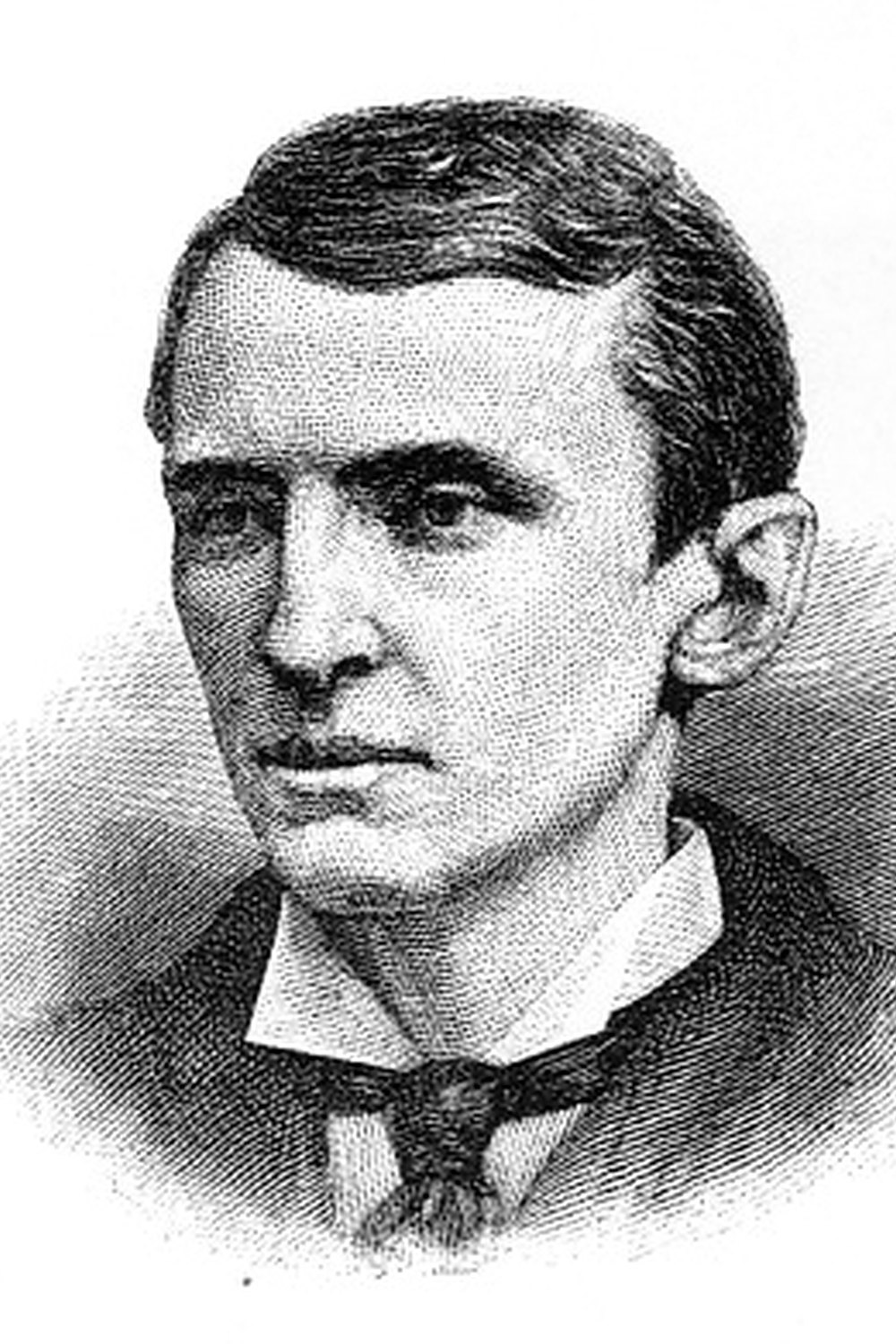
What actually happened
Grant & Ward paid fabulous 'returns' that were simply new investors' deposits; Ward kept the books, and the Grants kept recruiting. The 1884 collapse took a brokerage, a bank, and the family's entire wealth: Grant reportedly had less than $200 in cash. 'I have made it the rule of my life to trust a man long after other people gave him up,' Grant wrote, 'but I don't see how I can ever trust another human being again.'
Dying of throat cancer, Grant wrote his Personal Memoirs in a race he could see the end of, finishing days before his death in July 1885. Mark Twain published them; the book earned Julia Grant roughly $450,000 and became an American classic. Ward served six and a half years and died obscure.
The exact interval between manuscript and death varies slightly by biography and is flagged in the episode.
The longer arc
Ward was a minister's son from Geneseo, New York, and had a history of exploiting trust before Grant ever met him: he was said to have skimmed funds as a young bank clerk years before founding Grant & Ward with the ex-president's son, Buck. Wall Street's nickname for him, the Young Napoleon of finance, described a con man's charm rather than any real financial gift; he never made a legitimate profitable trade the whole time the firm operated.
Ward served six and a half years of a ten-year sentence at Sing Sing, released in 1892, and afterward tried and failed to rebuild a fortune, including an aborted attempt to kidnap his own estranged son. He died in 1925, largely forgotten, at 74. Grant, by contrast, became a posthumous financial success: dying eight days after finishing his memoirs in July 1885, he left Julia Grant a book that Mark Twain's publishing house sold in the hundreds of thousands of copies, earning the family roughly $450,000, several times what the Grant & Ward collapse had cost them.
The play to remember
The play.
A famous name is collateral that its owner can't control.
Ward didn't borrow money so much as he borrowed trust.
Was this interesting?
Select an option to vote. You can change it anytime.
Recommended for You
Friday the 13th, 1307
The Knights Templar ran Europe's first international bank: deposit in London, withdraw in Jerusalem by letter of credit. Their biggest debtor was the King of France. On a single Friday morning, he erased the debt by…
The Receipt
In 1519 the crown of the Holy Roman Empire went to auction between kings, and the winning bid came from a commoner. Four years later, with the emperor stalling on the debt, Jacob Fugger sent him what history remembers…
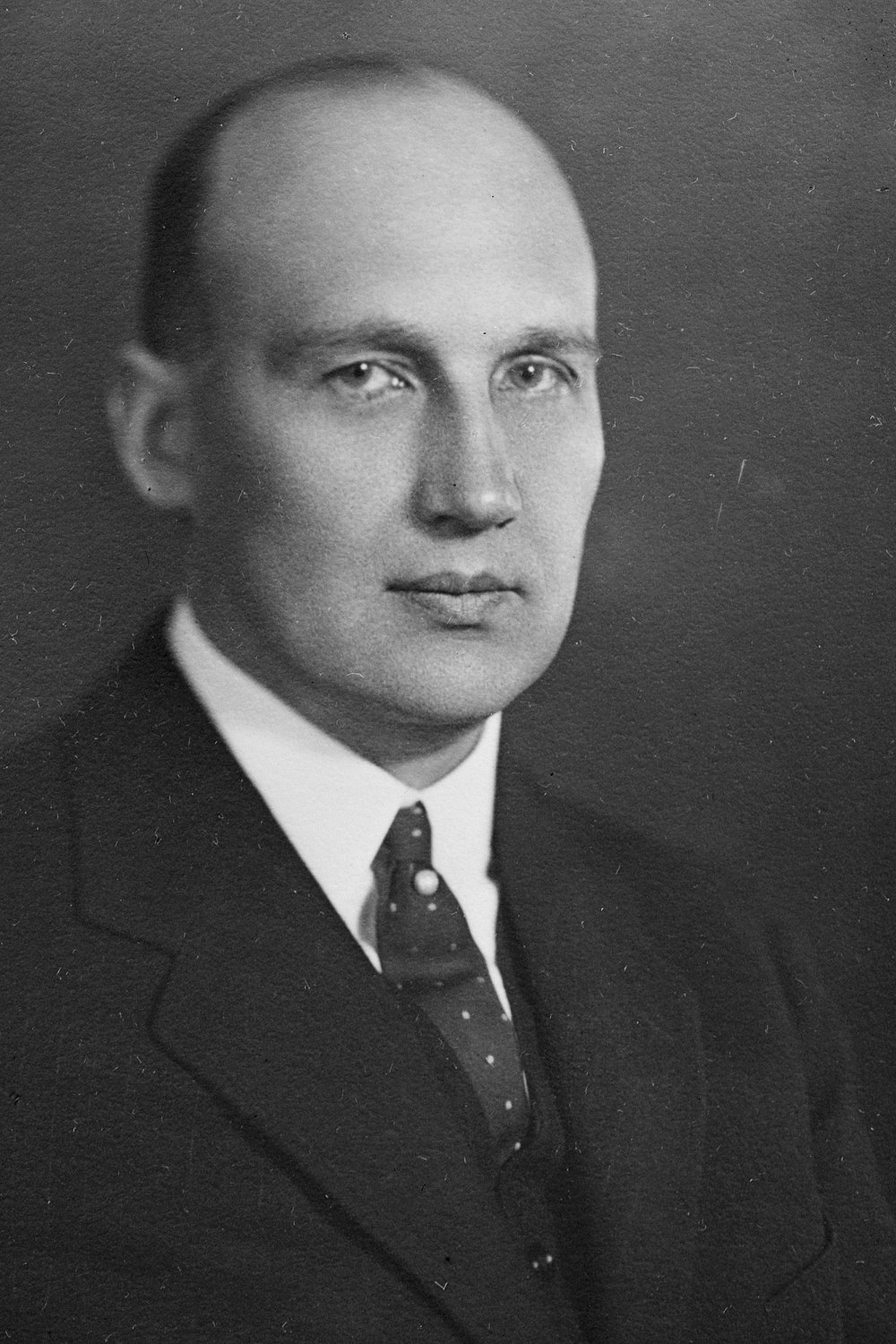
The Match King
By 1929 Ivar Kreuger controlled two-thirds of the world's match production and was lending sovereign nations more money than J.P. Morgan. A meaningful part of the collateral was $100 million of Italian government bonds…
The Locked Library
In the autumn of 1907, with banks failing and no central bank existing, one private citizen reportedly kept the heads of American finance in his library until dawn, until they pledged the money to stop the run. One of…

Newton's Madness
Isaac Newton sold his South Sea Company shares in April 1720 at a solid profit. Then he watched the bubble triple without him, bought back in near the top, and lost a fortune, around £20,000, a lifetime of income.
Tired of Fighting
Jesse Livermore shorted the 1929 crash and, by the widely reported figure, made around $100 million while the country broke. America blamed him for it. Eleven years later he died broke by his own hand, leaving a note…
Account 88888
A 28-year-old trader ran both Barings' Singapore trading desk and the back office that checked it. His hidden error account, 88888, swallowed losses for three years, until the 233-year-old bank that financed the…
No Millionaires at the Reunion
When Cornelius Vanderbilt died in 1877 he was worth more than the US Treasury held. In 1973, one hundred twenty of his descendants gathered for a family reunion, and by the family chronicler's account, not one of them…
The Bridge and the Bricks
In June 1982 the chairman of Italy's largest private bank was found hanging under Blackfriars Bridge in London, bricks and £10,000 in his pockets. Ruled suicide. Twenty years later the forensics were redone, the ruling…
New cases drop daily on  TikTok and
  Instagram. One case a day, one model you can retell.