Money & Markets
Confusion of Confusions
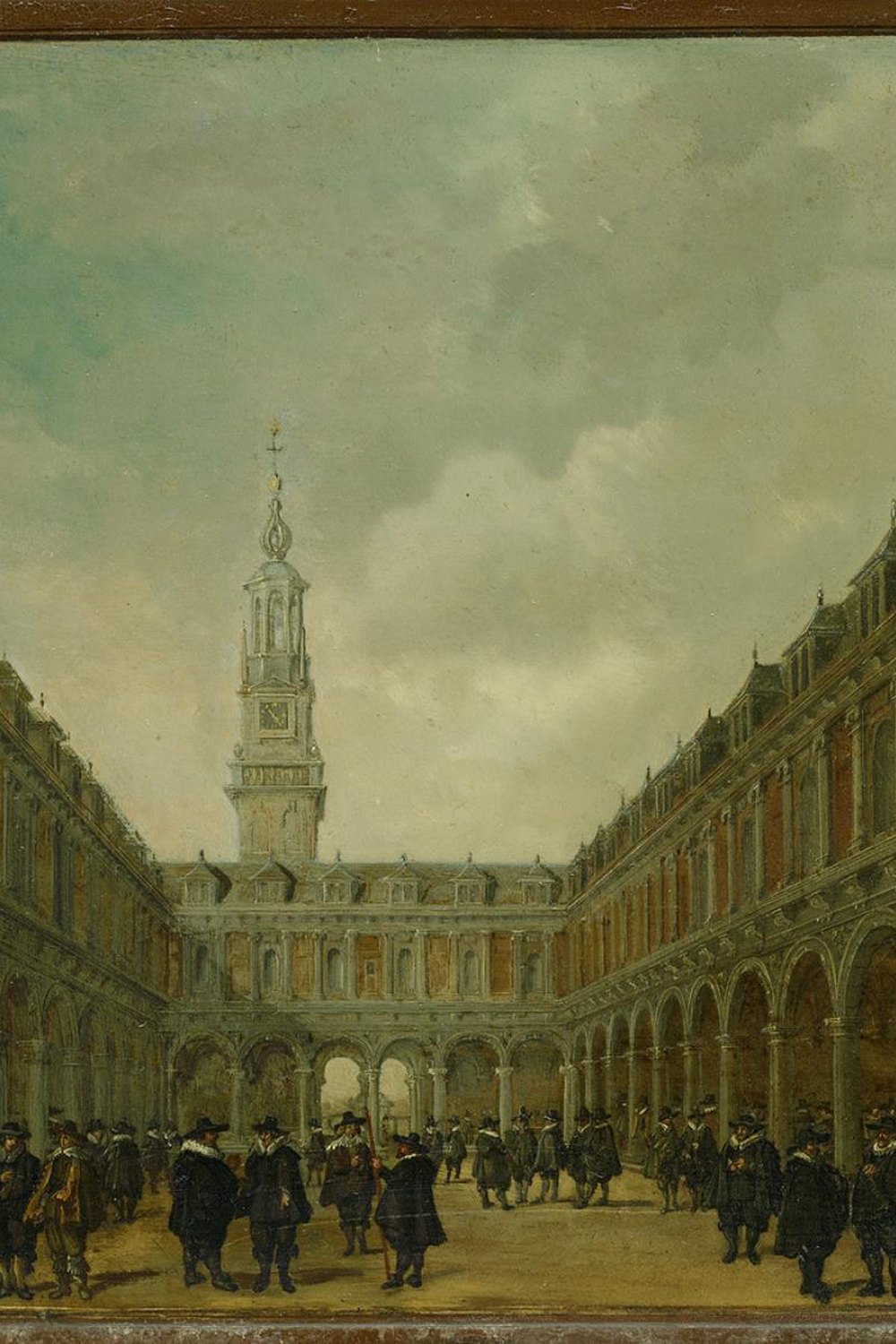
The first book about a stock market ever written is a set of dialogues between a philosopher, a merchant and a shareholder. It describes options, short squeezes, herding and loss-aversion three hundred years before economists named them.
Amsterdam, 1688 · Joseph de la Vega
What actually happened
Joseph de la Vega, a Sephardic merchant-poet in Amsterdam, wrote Confusion de Confusiones about the trade in Dutch East India Company shares: the ducaton derivatives, the bull and bear cliques, the rumor mills, the exquisite psychology of holding a losing position.
His rules read like modern behavioral finance: never advise anyone to buy or sell; take every profit with regret you didn't take more; whoever wishes to become rich in this game must have both money and patience. The 2014 behavioral-finance literature cites him as the field's accidental founder.
He wrote it, he said, partly to warn his own community, months before the crash of 1688 proved his point.
The longer arc
De la Vega came from a family of Sephardic Jews who had fled the Iberian Inquisition for the relative tolerance of Amsterdam, and he wrote poetry and religious commentary in Spanish alongside his market dealings; Confusión de Confusiones, published in 1688, was itself written in Spanish for that émigré merchant community rather than in Dutch. The book fell into obscurity for over two centuries, known mainly to a handful of bibliophiles, until a German translation appeared in 1919 and a Dutch one in 1939, each building on the prior scholar's research.
The first English edition did not appear until 1957, when Hermann Kellenbenz produced an abridged translation for Harvard's Kress Library of Business and Economics, one of only a handful of institutions in the world holding an original copy. That edition is what brought the book to modern financial historians and, decades later, to the behavioral-finance researchers who now cite de la Vega as having documented herding, loss aversion, and speculative manias three centuries before those terms existed in economics.
The play to remember
The play.
Markets haven't changed because people haven't.
Every 'new' behavioral bias was already on the Amsterdam exchange in 1688.
Was this interesting?
Select an option to vote. You can change it anytime.
Recommended for You
Friday the 13th, 1307
The Knights Templar ran Europe's first international bank: deposit in London, withdraw in Jerusalem by letter of credit. Their biggest debtor was the King of France. On a single Friday morning, he erased the debt by…
The Receipt
In 1519 the crown of the Holy Roman Empire went to auction between kings, and the winning bid came from a commoner. Four years later, with the emperor stalling on the debt, Jacob Fugger sent him what history remembers…
The Match King
By 1929 Ivar Kreuger controlled two-thirds of the world's match production and was lending sovereign nations more money than J.P. Morgan. A meaningful part of the collateral was $100 million of Italian government bonds…
The Locked Library
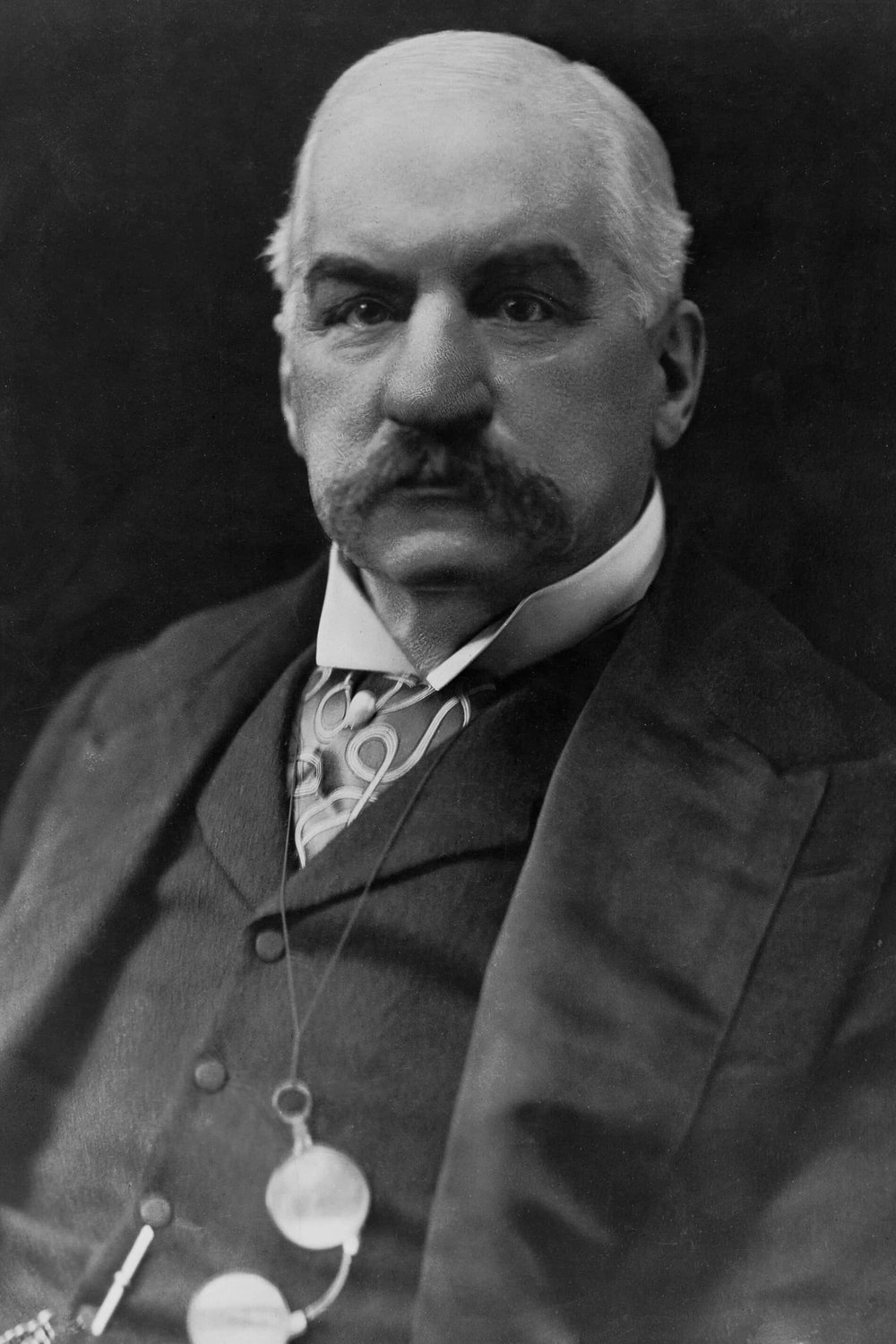
In the autumn of 1907, with banks failing and no central bank existing, one private citizen reportedly kept the heads of American finance in his library until dawn, until they pledged the money to stop the run. One of…

Newton's Madness
Isaac Newton sold his South Sea Company shares in April 1720 at a solid profit. Then he watched the bubble triple without him, bought back in near the top, and lost a fortune, around £20,000, a lifetime of income.
Tired of Fighting
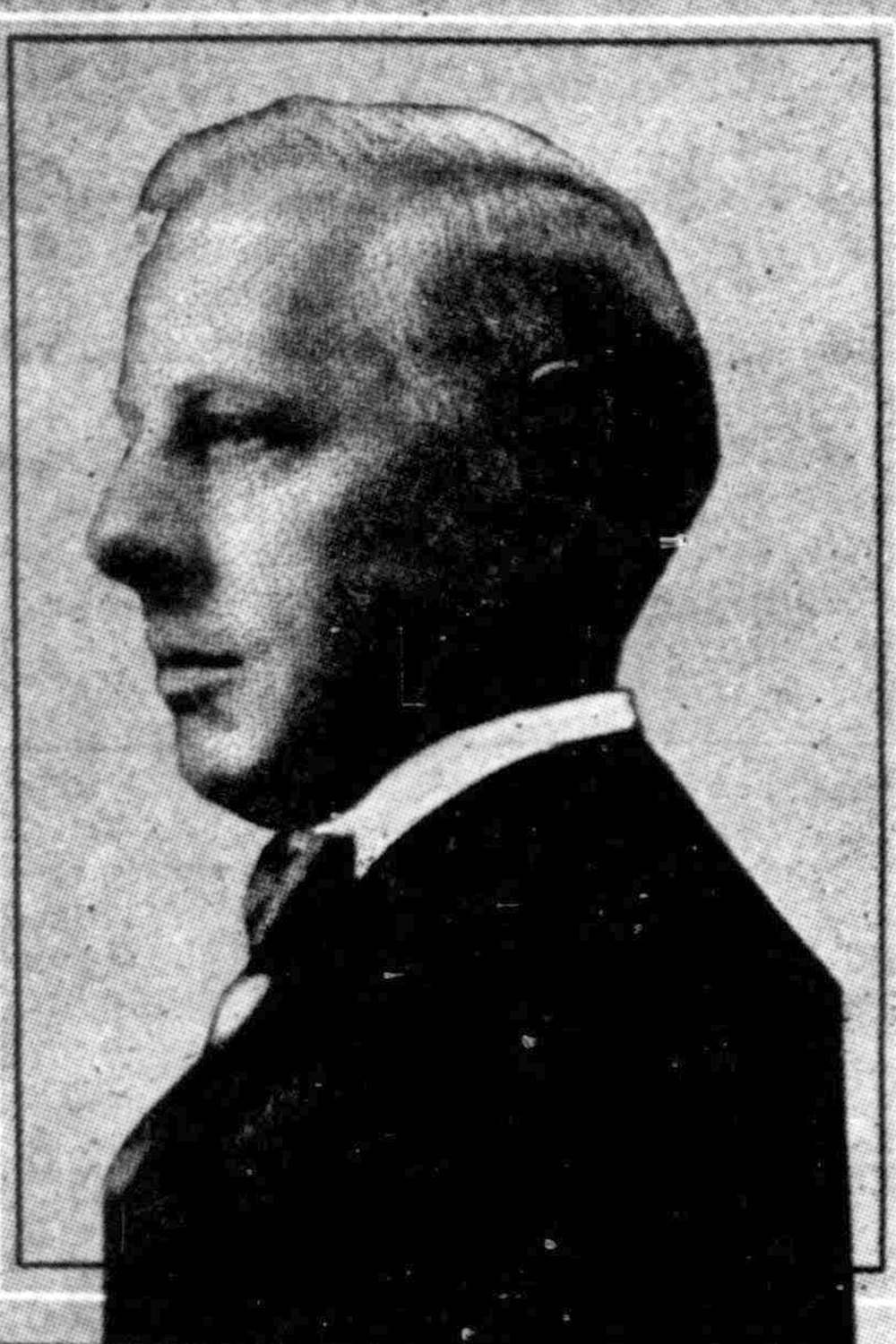
Jesse Livermore shorted the 1929 crash and, by the widely reported figure, made around $100 million while the country broke. America blamed him for it. Eleven years later he died broke by his own hand, leaving a note…
Account 88888
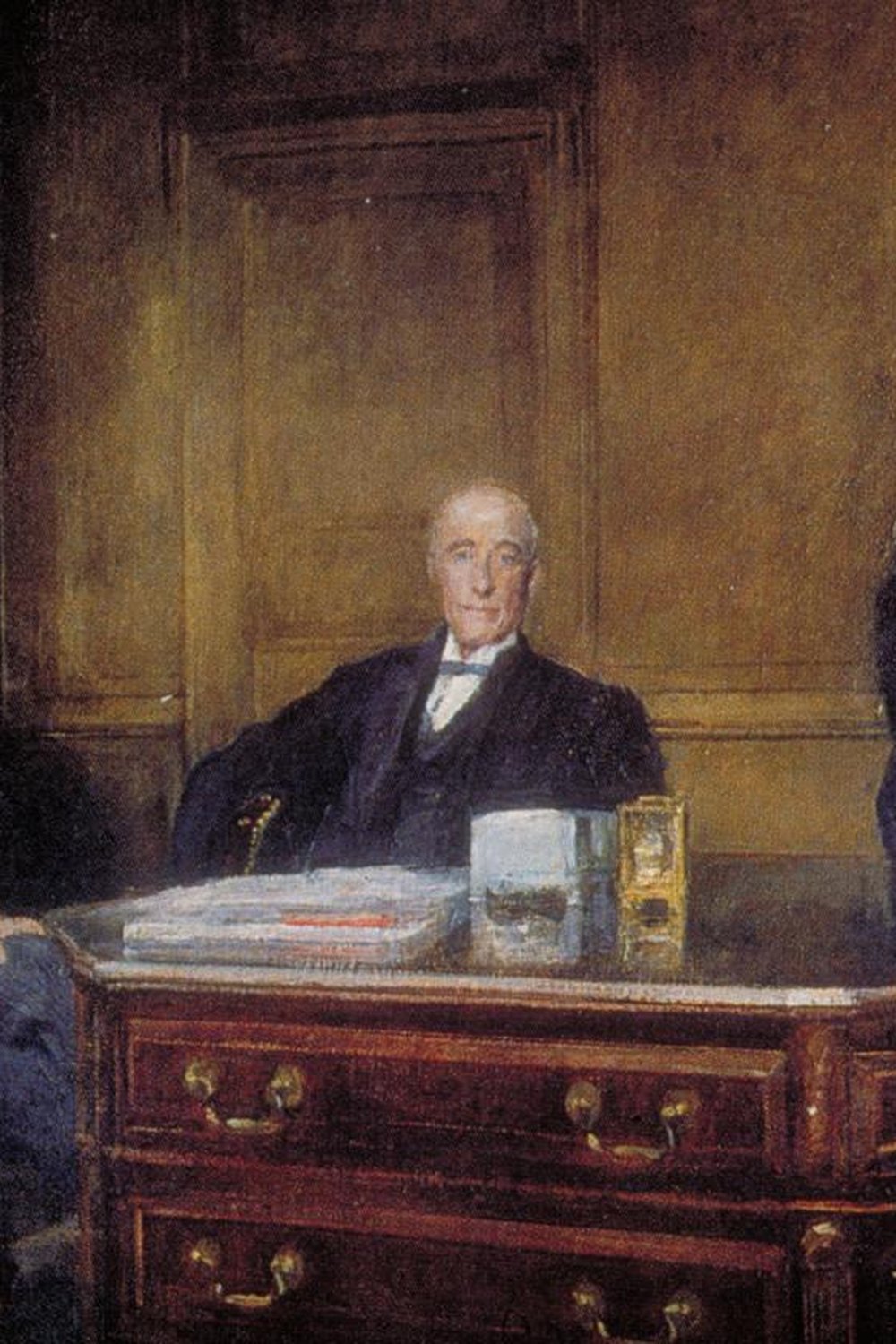
A 28-year-old trader ran both Barings' Singapore trading desk and the back office that checked it. His hidden error account, 88888, swallowed losses for three years, until the 233-year-old bank that financed the…
No Millionaires at the Reunion
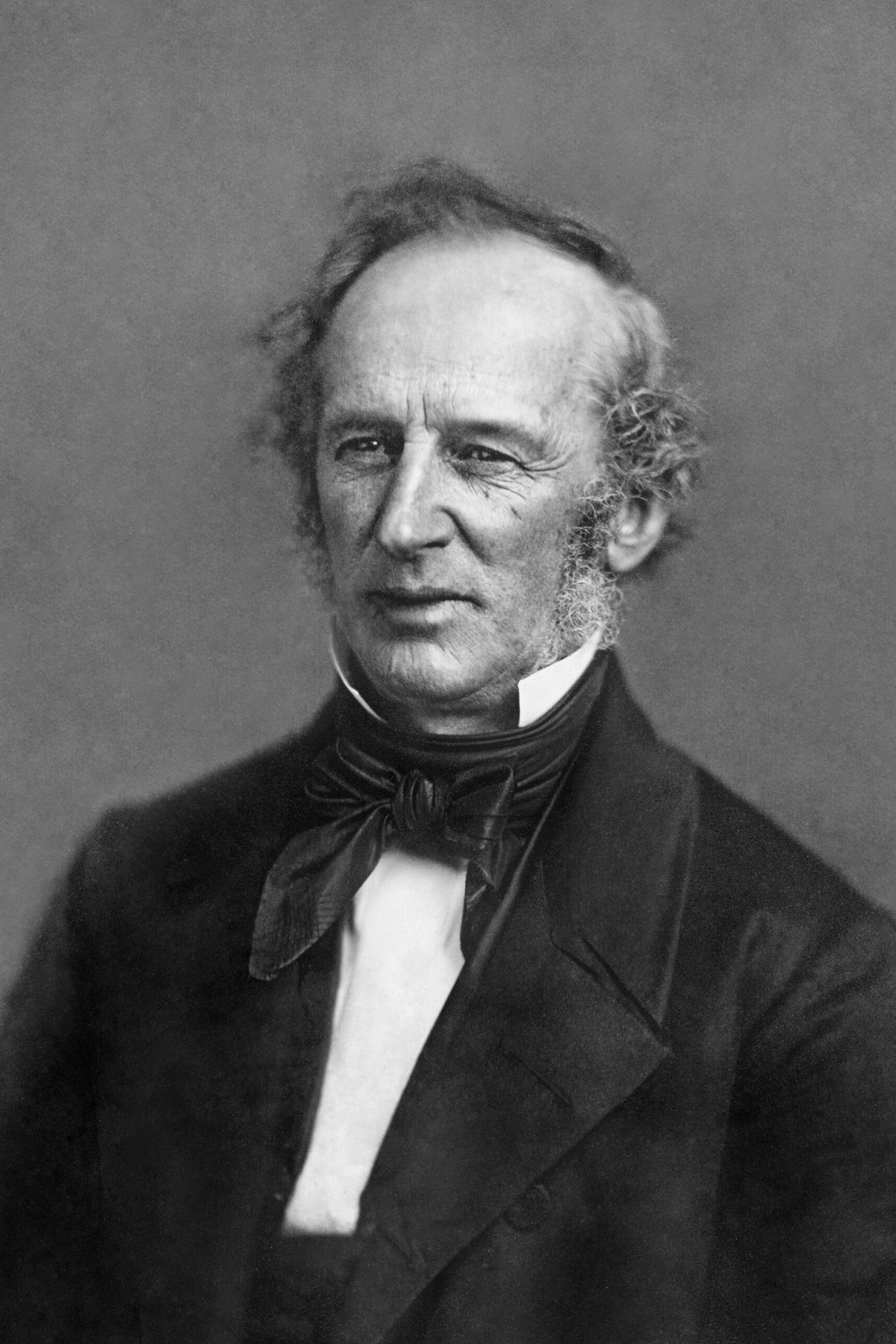
When Cornelius Vanderbilt died in 1877 he was worth more than the US Treasury held. In 1973, one hundred twenty of his descendants gathered for a family reunion, and by the family chronicler's account, not one of them…
The Bridge and the Bricks
In June 1982 the chairman of Italy's largest private bank was found hanging under Blackfriars Bridge in London, bricks and £10,000 in his pockets. Ruled suicide. Twenty years later the forensics were redone, the ruling…
New cases drop daily on  TikTok and
  Instagram. One case a day, one model you can retell.