Art Mysteries
The Forger Who Fooled the Nazis
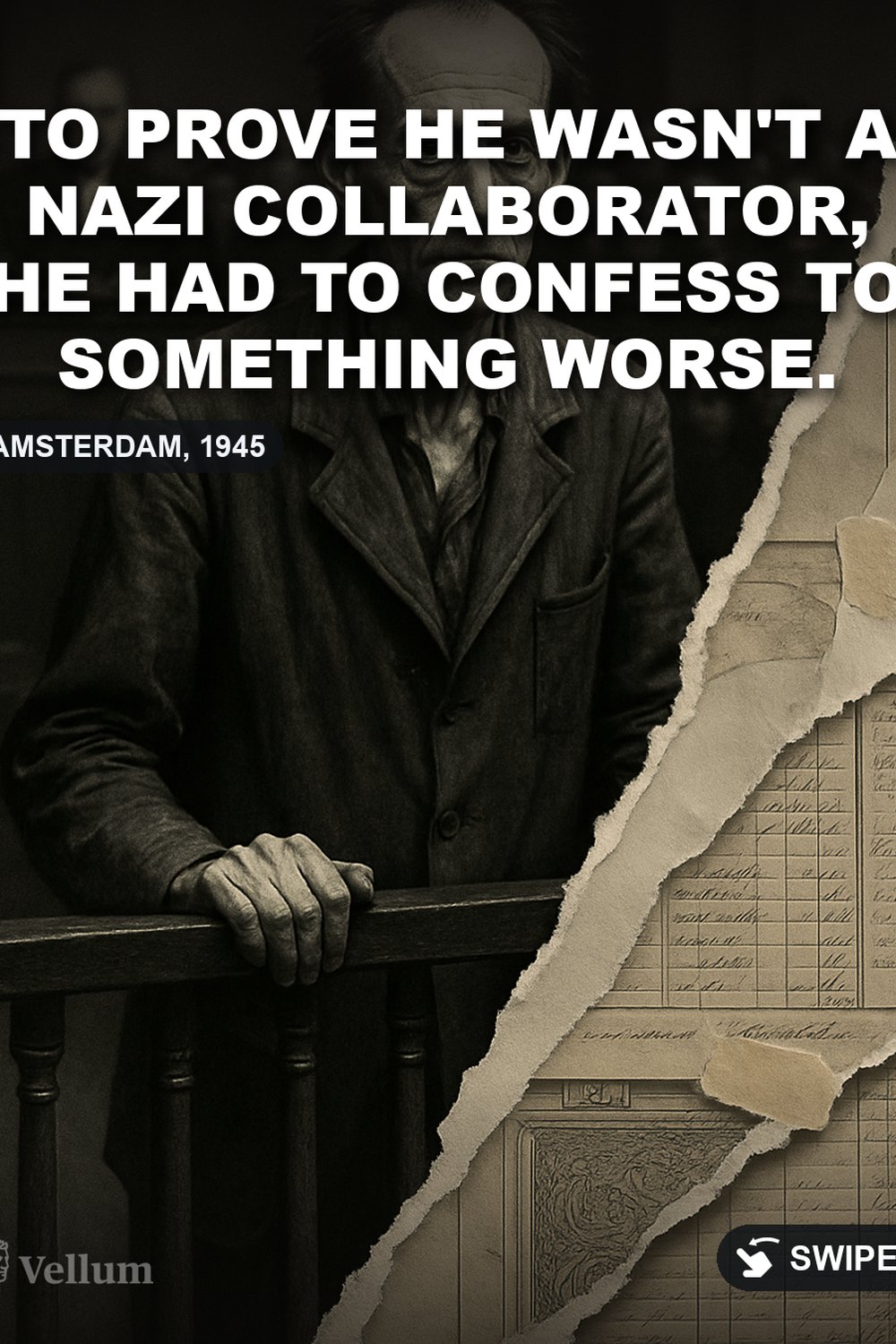
Charged with treason for selling a Vermeer to Hermann Göring, Han van Meegeren offered the only defense that could save him: the Vermeer was fake, because he had painted it himself. The court didn't believe him, so he painted another one in front of witnesses.
Amsterdam, 1945–1947 · Han van Meegeren
What actually happened
Van Meegeren had spent years perfecting the technical forgery: seventeenth-century canvases scraped bare, pigments ground to period recipes, bakelite hardened in ovens to fake three centuries of aging. His 'Vermeers' fooled the era's leading connoisseurs partly because he painted what they had predicted a missing period of Vermeer would look like.
Treason carried a death sentence; forgery carried one year. He was convicted of forgery in 1947 and died weeks later. Some of his fakes hung in museums for years afterward, and the episode flags which attributions remain argued about.
The longer arc
Van Meegeren had trained as a serious painter and wanted to be taken seriously as one. Dutch critics in the 1920s dismissed his own original work as derivative and stuck in the past, next to the modernists they preferred. He treated forgery partly as revenge: proof aimed at humiliating the same experts who had rejected him, by getting them to authenticate a fake. He worked in secrecy for years before his first sale, developing methods to age paint and canvas convincingly enough to survive the era's best scientific tests.
The Goring painting, "Christ and the Adulteress," had actually reached the Reichsmarschall through an intermediary art dealer, Alois Miedl, which is how Allied investigators traced the trail back to van Meegeren in 1945 in the first place. Even after his conviction, some of his forged Vermeers stayed on museum walls, misattributed, for years, until later scientific techniques such as X-ray analysis and pigment dating conclusively separated them from genuine seventeenth-century work. His case became a standard teaching example in art authentication, proof that expert eyes can be fooled when they already want to believe what they are looking at.
The play to remember
The play.
Experts authenticate what they expect to find. The strongest forgery isn't a copy.
It's a confirmation of the expert's own theory.
Was this interesting?
Select an option to vote. You can change it anytime.
Recommended for You
The Man Who Sold the Eiffel Tower: Twice
In 1925 Paris couldn't afford to maintain its own monument. Victor Lustig read one newspaper article about it, printed fake government stationery, and sold the Eiffel Tower for scrap to a buyer too embarrassed to report…
The Ledger That Caught Capone
Al Capone ordered murders in daylight and never saw the inside of a courtroom for any of them. What finally convicted him was arithmetic: a seized ledger and the tax owed on money he officially never earned.
The Money Box
Lustig sold a mahogany box that 'printed' hundred-dollar bills for up to $46,000 a box. The machine worked perfectly for exactly two bills, both real, both loaded by Lustig before the demonstration.

The Board That Fired Its Founder
In 1985 Apple's board sided with the professional CEO Steve Jobs had personally recruited, and stripped Jobs of all operating power. Twelve years later the company was ninety days from insolvency. The only option left…
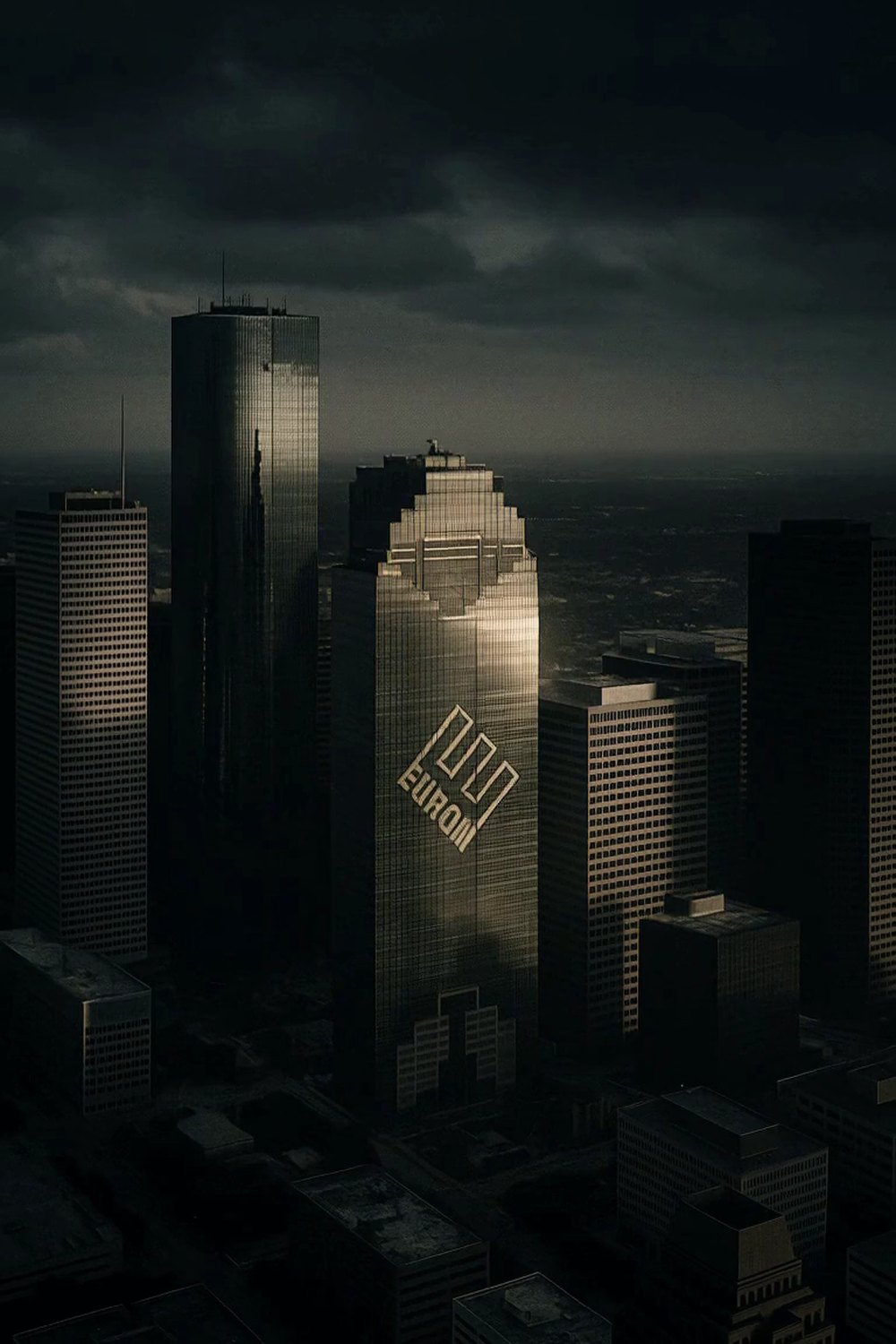
The Quarter Enron Ran Out of Room
Enron's numbers worked for years because the losses lived in entities nobody consolidated and the profits were booked the day a deal was signed. In the autumn of 2001, one analyst finally asked the question that ran out…

The PayPal Decision
Confinity and X.com were burning millions a month trying to destroy each other in the same building on University Avenue. The decision that created PayPal, and the mafia of founders who built Tesla, LinkedIn, YouTube…
The Night FTX Vanished
On November 2, 2022 a leaked balance sheet showed FTX's sister fund was built on FTX's own token. Nine days later the exchange, its $32 billion valuation, and roughly $8 billion of customer money were gone.
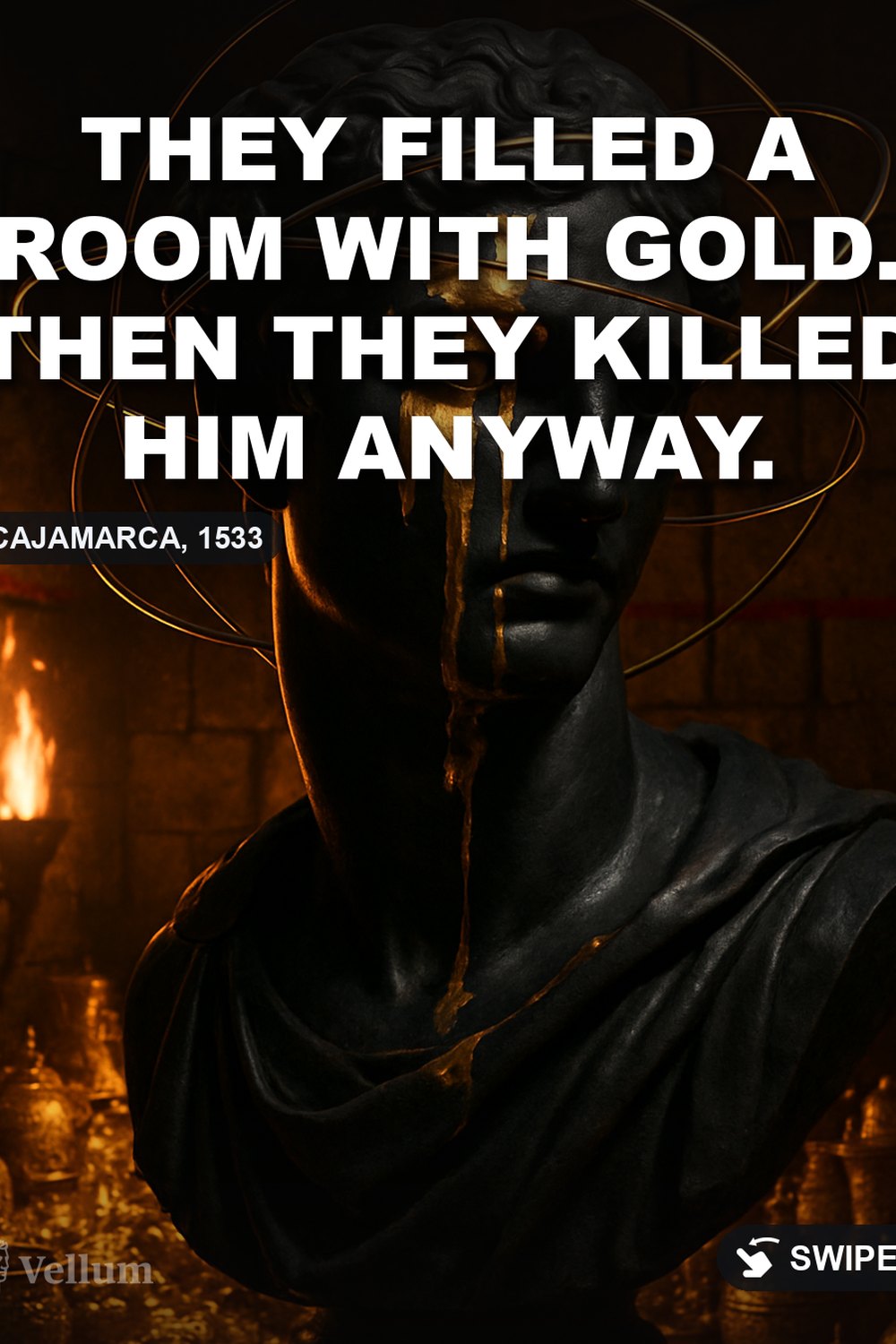
The Ransom Room
A room 22 feet by 17, filled with gold as high as a man could reach. That was the price the Inca emperor offered for his life. The Spaniards took delivery of roughly six tons of gold, then convened a trial in a language…
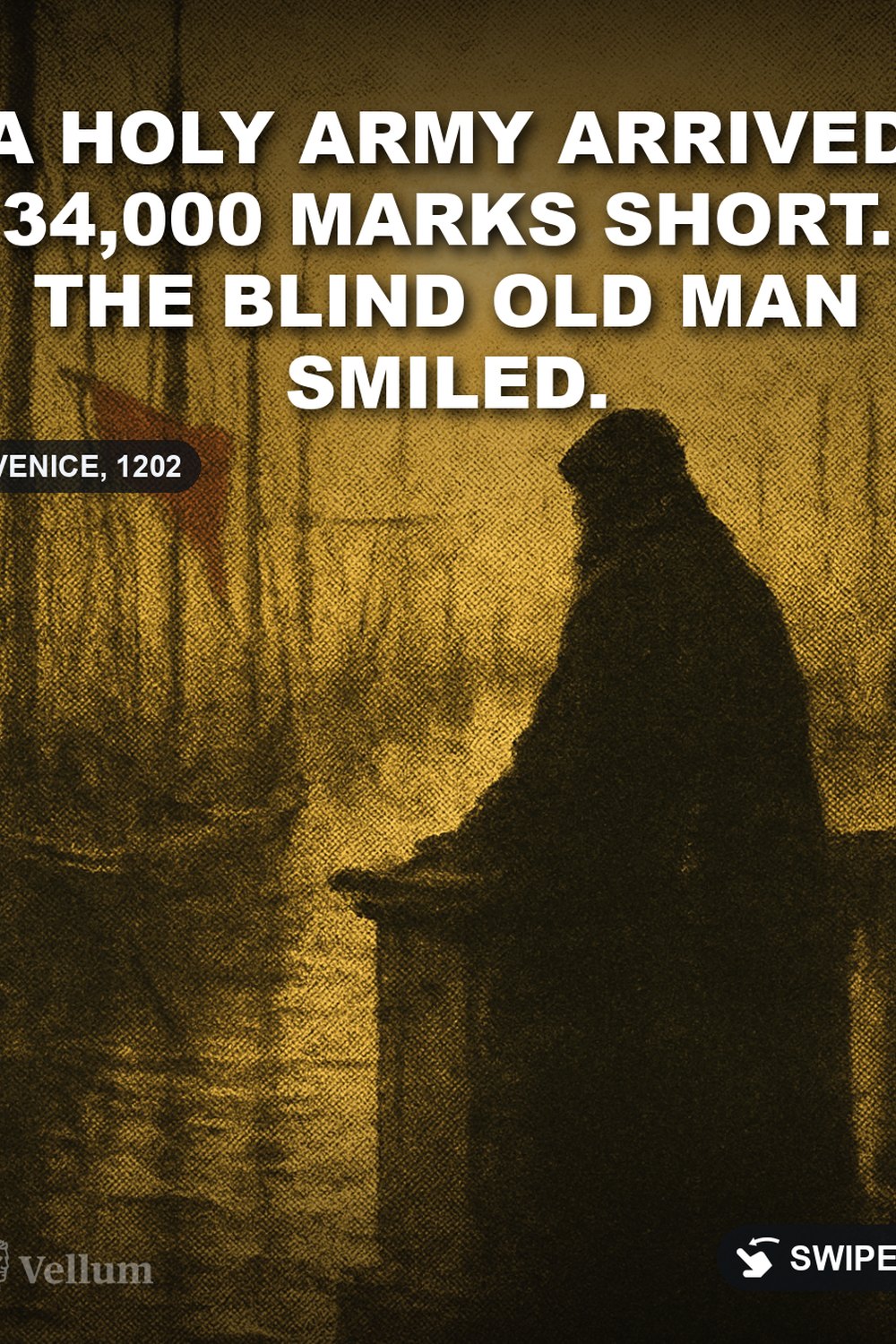
The Blind Doge
An army of crusaders arrived in Venice 34,000 silver marks short of their shipping bill. The city's doge, blind and by the chronicles around ninety, turned their debt into a repossession of his business rivals, and the…
New cases drop daily on  TikTok and
  Instagram. One case a day, one model you can retell.