Power & Greed
The Ransom Room
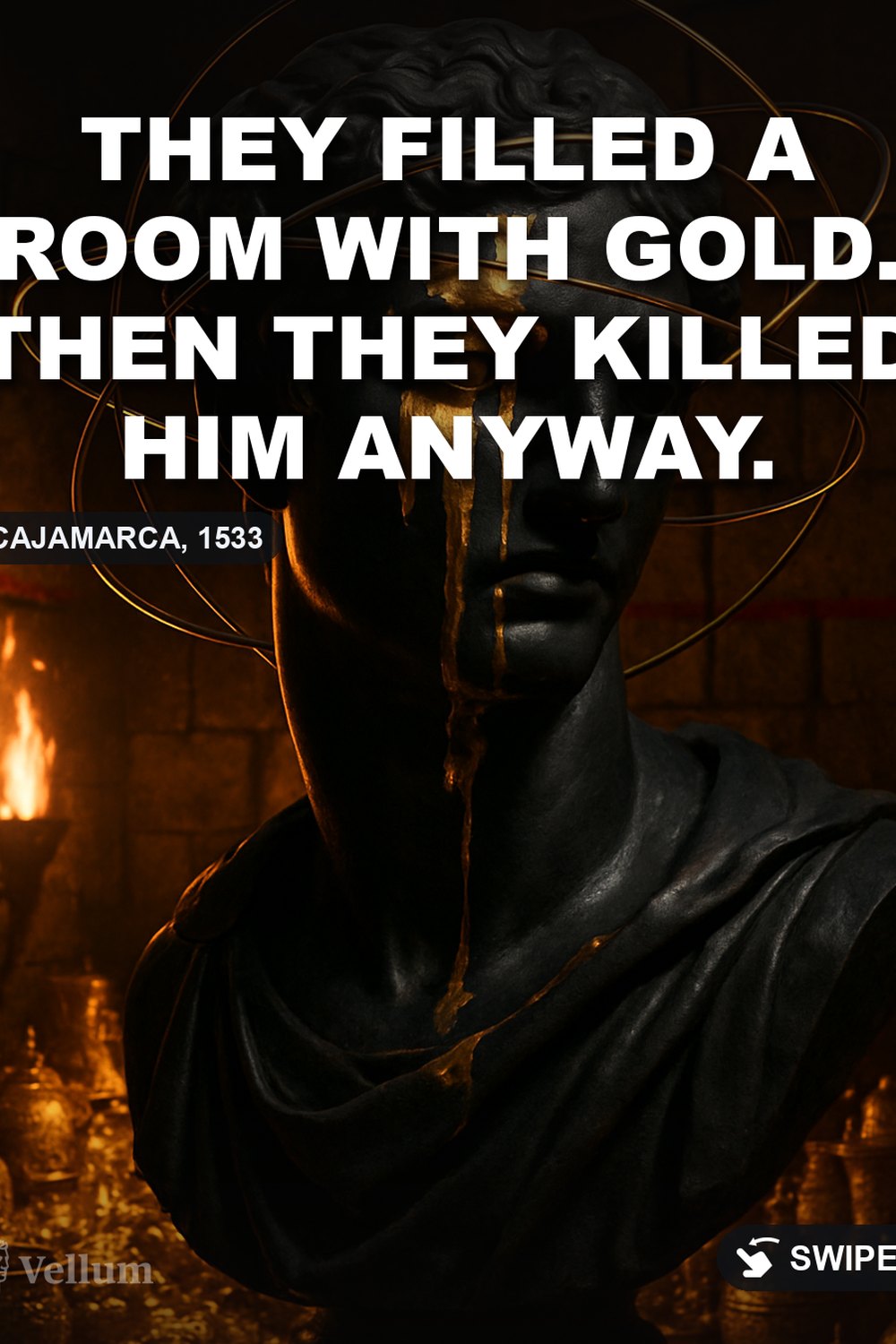
A room 22 feet by 17, filled with gold as high as a man could reach. That was the price the Inca emperor offered for his life. The Spaniards took delivery of roughly six tons of gold, then convened a trial in a language he couldn't speak.
Cajamarca, 1532–1533 · Pizarro & Atahualpa
What actually happened
Francisco Pizarro's 180 men took Atahualpa alive in the ambush at Cajamarca, killing thousands of his unarmed attendants in an afternoon. The captive god-emperor noticed what the strangers cared about and made an offer no ransom in history had matched: a room filled once with gold, twice with silver.
For months llama caravans hauled temple treasure across the Andes while Spanish furnaces melted sacred art into bars. When the room was full, Pizarro's camp, fearing an Inca army and no longer needing the emperor's authority, staged a trial for idolatry and plotting. Atahualpa accepted baptism to avoid being burned, and was garroted on August 29, 1533.
The chroniclers disagree on details of the trial's legality. Several Spaniards protested it at the time, and those disputes are flagged on screen in the episode.
The longer arc
The empire Pizarro found was already broken. Atahualpa had just finished a brutal civil war against his half-brother Huascar over their father's succession, a conflict running roughly from 1529 to 1532 that ended only weeks before the Spaniards reached Cajamarca, with Huascar's army crushed at the Battle of Quipaipan and Huascar himself taken prisoner. Atahualpa met the Spanish confident and unarmed partly because he believed he now commanded the strongest force on the continent, with no experience of an enemy that fought nothing like the rivals he already knew.
The gold went to Spain as the crown's fifth and to the conquistadors who split the rest, funding careers more than lasting fortunes. Pizarro fell out badly with his own partner in the conquest, Diego de Almagro, over the spoils of Cuzco. Pizarro had Almagro executed in 1538, and Almagro's son's supporters returned the favor, storming Pizarro's palace in Lima and killing him in 1541. The men who destroyed an empire for its gold mostly did not get to keep it, or grow old with it.
The play to remember
The play.
Paying a ransom proves you can pay.
It prices you; it does not free you, a lesson every kidnap economy since has repeated.
Was this interesting?
Select an option to vote. You can change it anytime.
Recommended for You
The Blind Doge
An army of crusaders arrived in Venice 34,000 silver marks short of their shipping bill. The city's doge, blind and by the chronicles around ninety, turned their debt into a repossession of his business rivals, and the…
The Unelected Emperor of New York
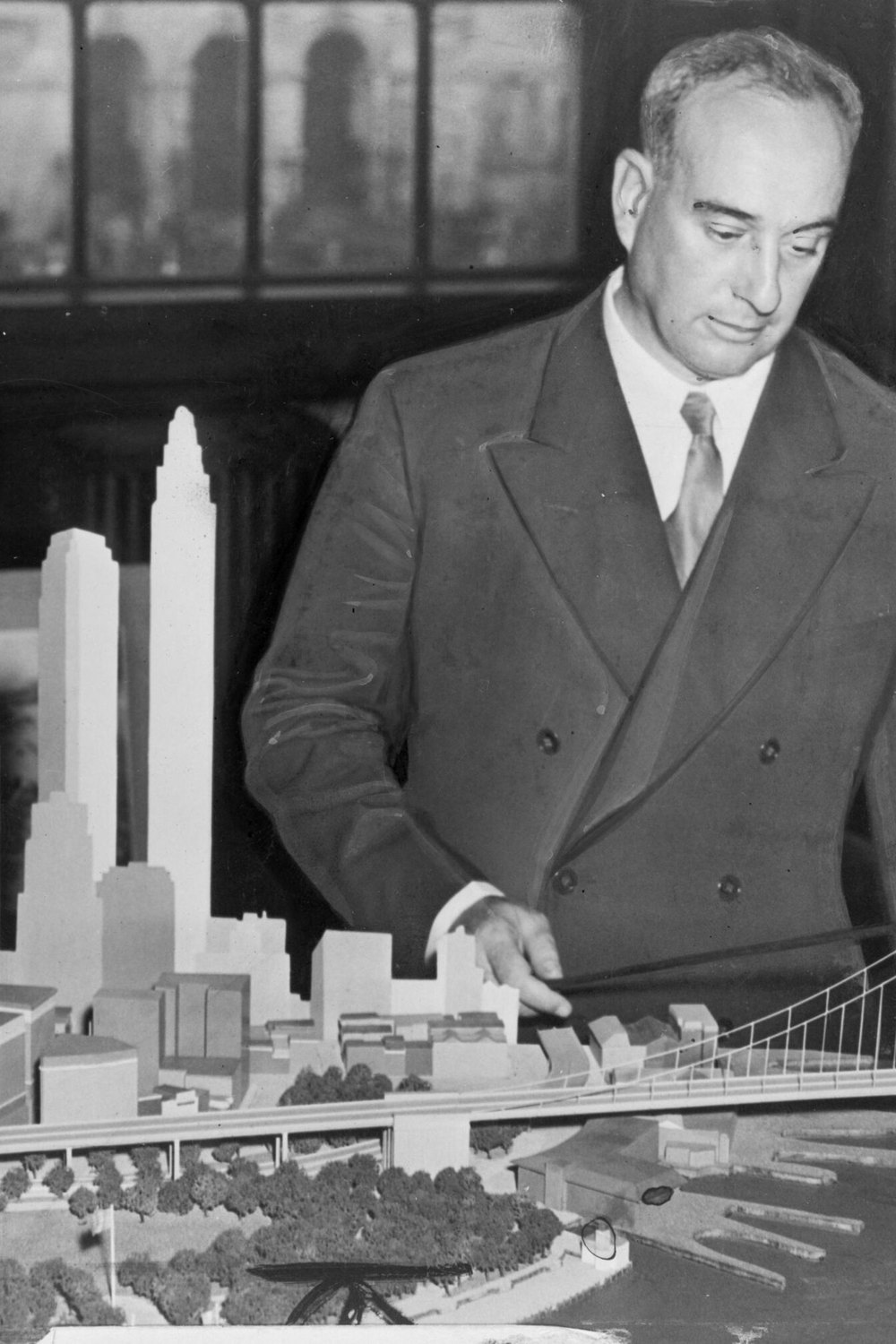
Robert Moses was never elected to anything. For over forty years he out-powered mayors and governors, and built 13 bridges, 658 playgrounds and 627 miles of road. The most famous accusation against him is now itself a…
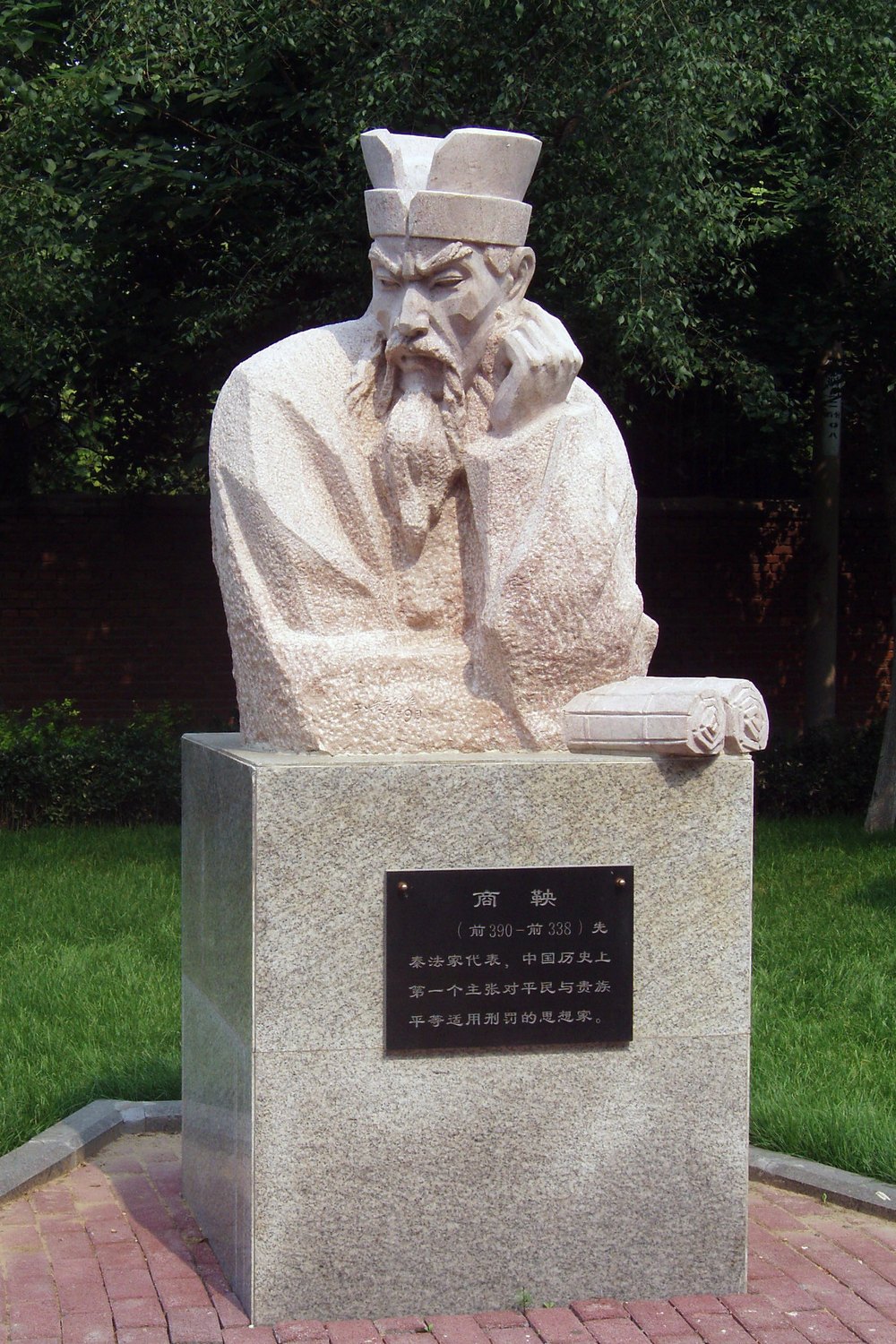
Destroyed By His Own Law
Shang Yang built the ancient world's most efficient police state: household registration, mutual surveillance, papers required to sleep anywhere. Fleeing a coup, he was turned away from an inn by a keeper who explained,…
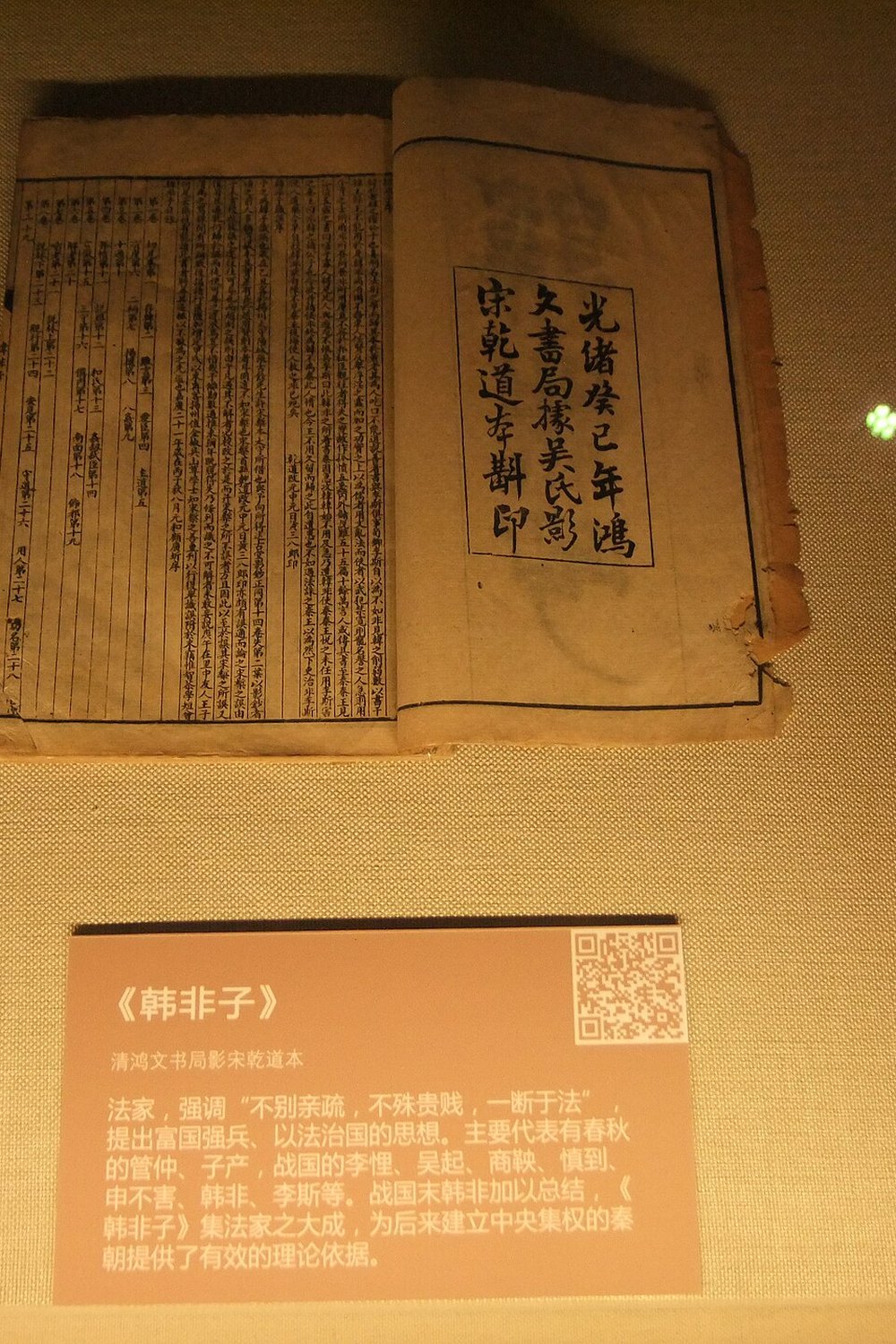
The Classmate's Poison
Han Fei wrote the definitive manual on power: how rulers are deceived, how ministers scheme, how to survive advising a king. The future First Emperor loved the book so much he went to war partly to meet its author. The…
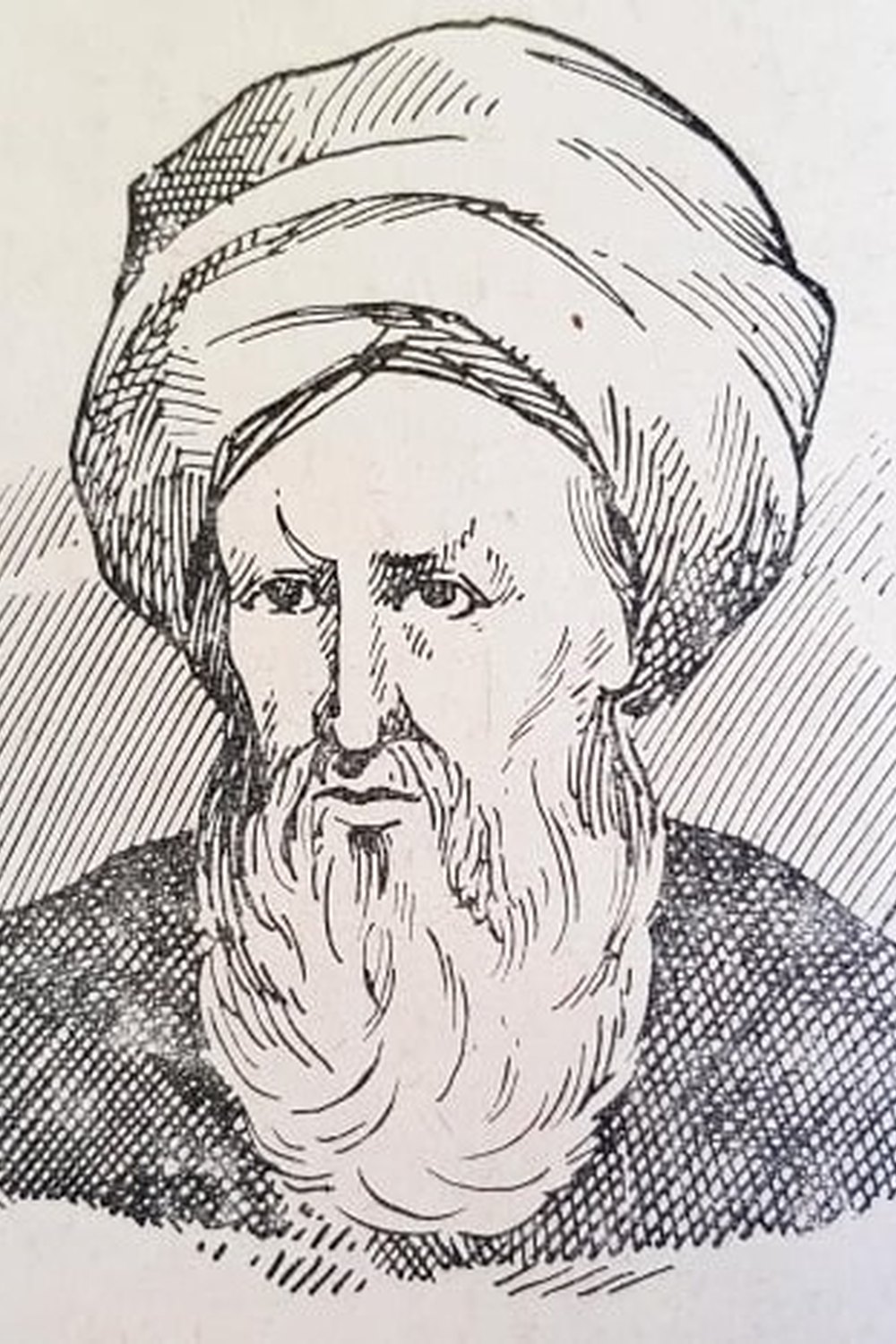
Interview With the Conqueror
Ibn Khaldun had spent his life writing the theory of why empires rise and rot. In January 1401, with Damascus under siege, the seventy-year-old historian went down to the enemy camp and spent a month interviewing the…
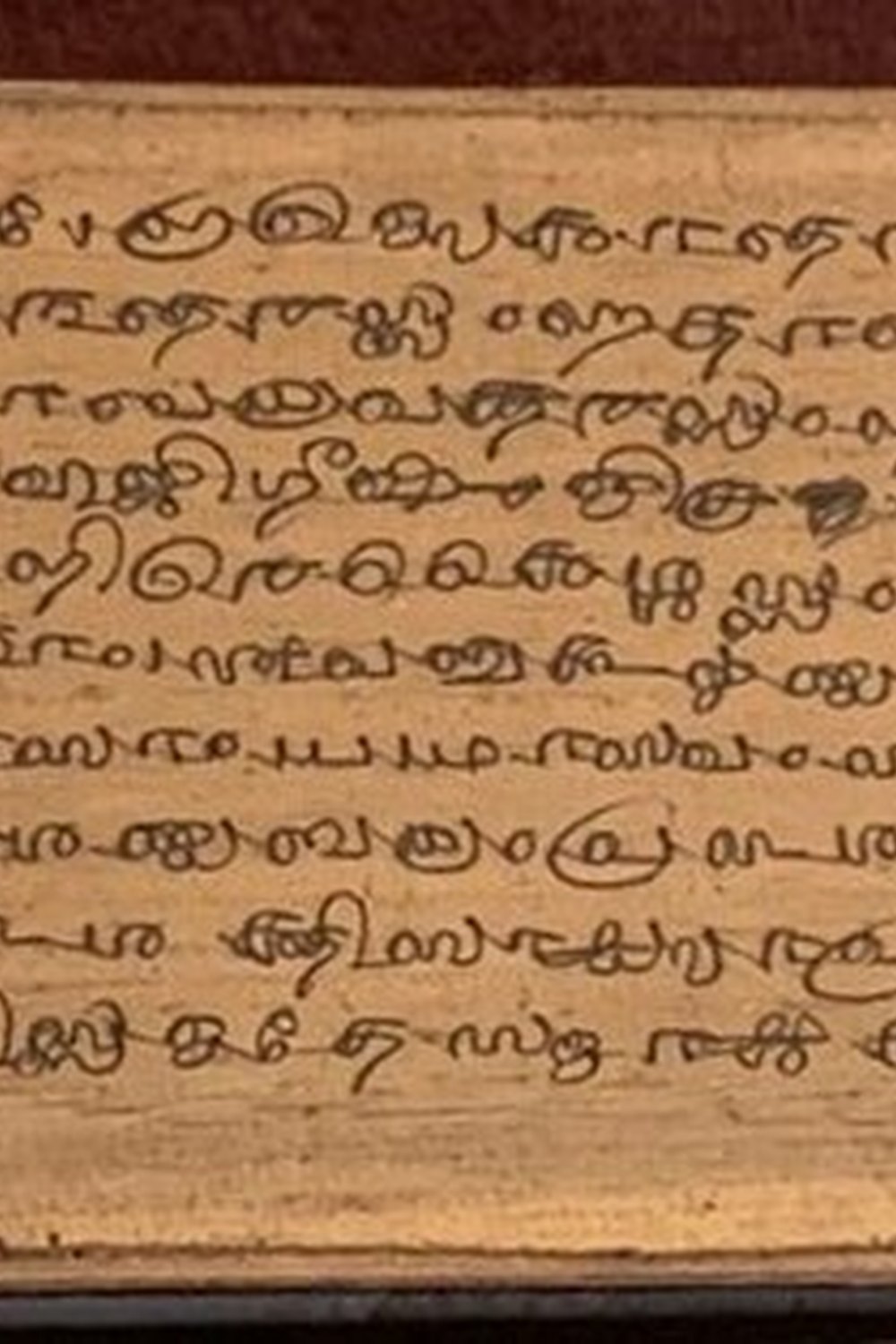
The Librarian's Find
The most ruthless statecraft manual of the ancient world, poisons, spy networks, staged assassinations as routine administration, was lost for centuries. In 1905 a librarian in Mysore found it in a stack of donated…
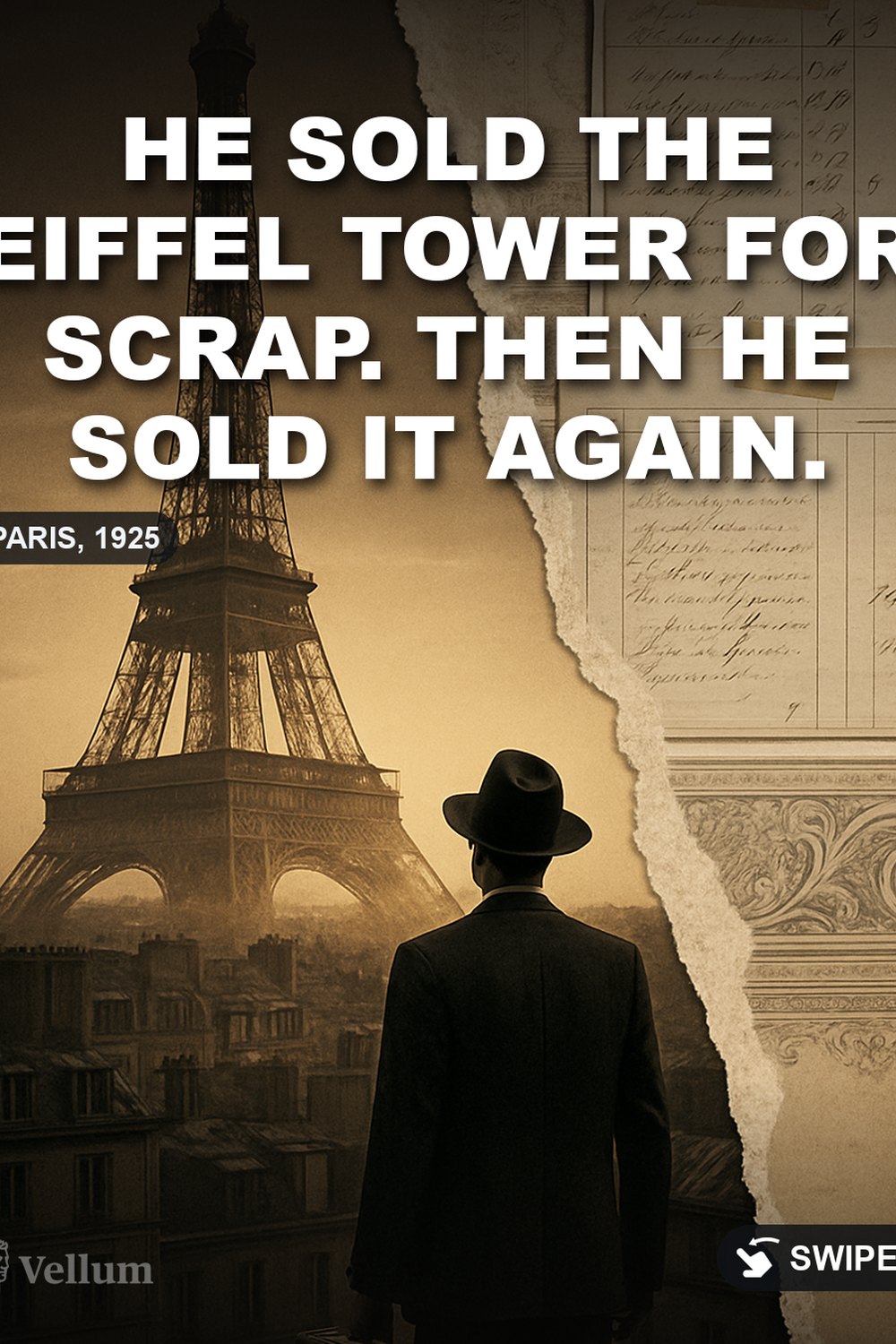
The Man Who Sold the Eiffel Tower: Twice
In 1925 Paris couldn't afford to maintain its own monument. Victor Lustig read one newspaper article about it, printed fake government stationery, and sold the Eiffel Tower for scrap to a buyer too embarrassed to report…
The Ledger That Caught Capone
Al Capone ordered murders in daylight and never saw the inside of a courtroom for any of them. What finally convicted him was arithmetic: a seized ledger and the tax owed on money he officially never earned.
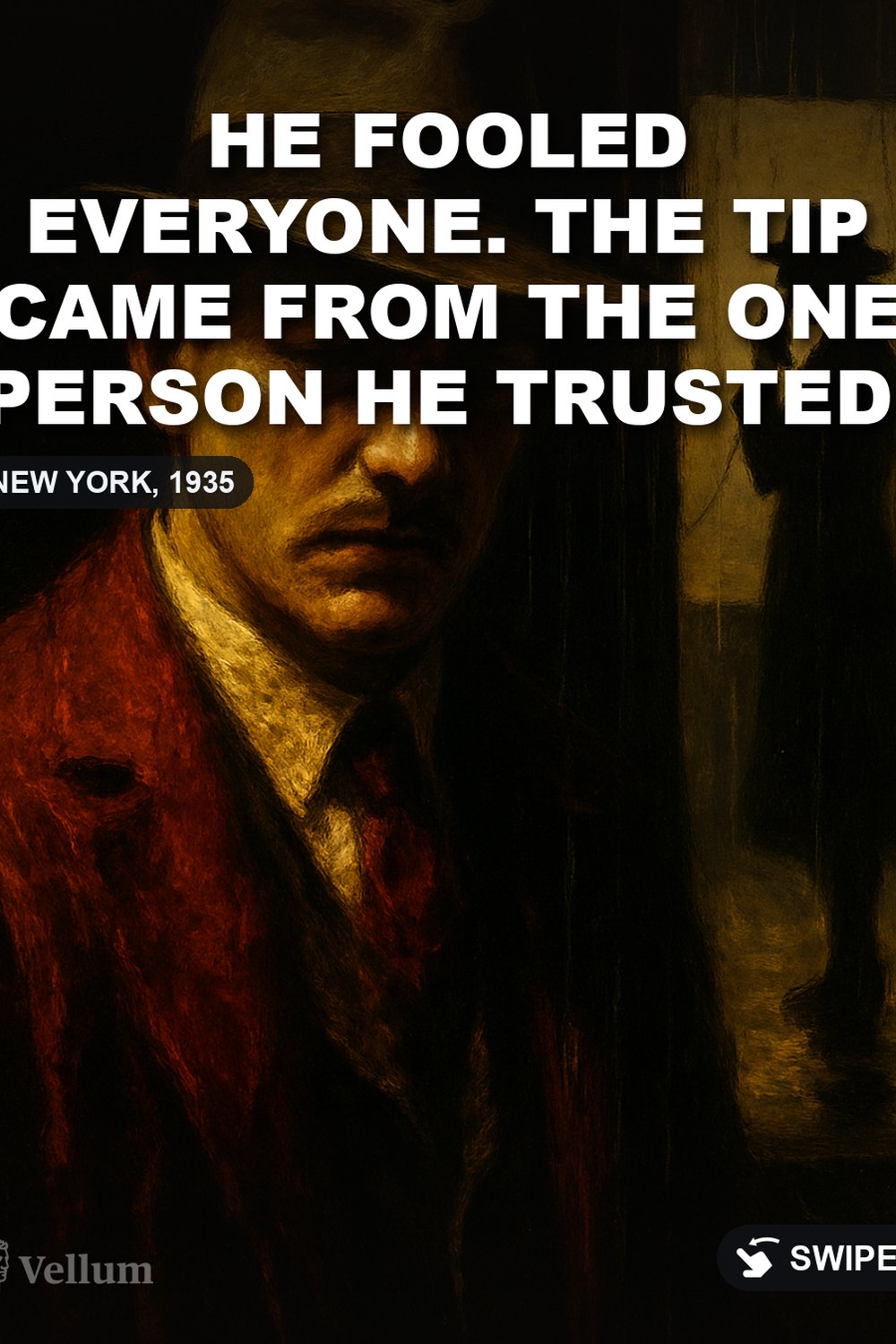
The Money Box
Lustig sold a mahogany box that 'printed' hundred-dollar bills for up to $46,000 a box. The machine worked perfectly for exactly two bills, both real, both loaded by Lustig before the demonstration.
New cases drop daily on  TikTok and
  Instagram. One case a day, one model you can retell.