Power & Greed
The Blind Doge
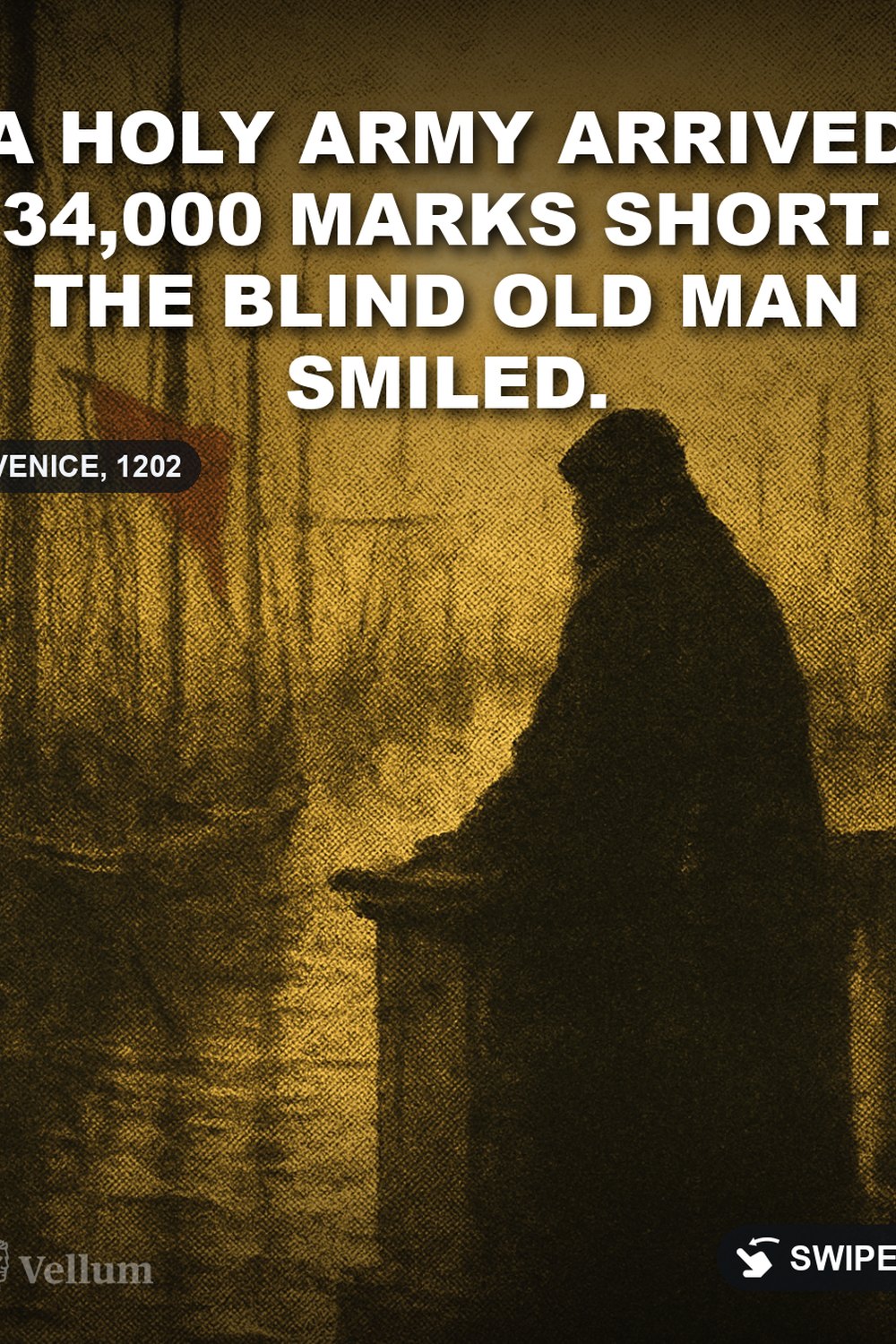
An army of crusaders arrived in Venice 34,000 silver marks short of their shipping bill. The city's doge, blind and by the chronicles around ninety, turned their debt into a repossession of his business rivals, and the crusade never saw Jerusalem at all.
Venice & Constantinople, 1202–1204 · Enrico Dandolo
What actually happened
Enrico Dandolo offered to forgive the shortfall if the crusade made one stop: Zara, a Christian port in rebellion against Venice. The Pope excommunicated the entire crusade for sacking it. A Byzantine pretender then arrived promising riches, and Dandolo pointed the fleet at Constantinople, the richest city on earth and Venice's greatest trade competitor.
In April 1204 the crusaders breached the walls and plundered the city for three days; chroniclers describe a prostitute enthroned on the altar of Hagia Sophia. Venice shipped home relics, trade concessions, and the four bronze horses that still stand over St Mark's Square.
The longer arc
The crusade had never meant to sack a Christian city. Its leaders contracted with Venice to build and crew a fleet for 33,500 men, a number drawn from wildly optimistic estimates of how many soldiers would actually show up, payable before departure. The real target was Egypt, the weakest of the Muslim-held lands and a back door toward retaking Jerusalem. Barely a third of the expected army arrived at Venice in 1202, leaving the crusade holding a bill sized for a force that never existed. Dandolo, blinded decades earlier, reportedly during anti-Latin riots in Constantinople in 1171 though the exact cause is unclear, used the shortfall as leverage instead of writing it off.
The sack produced the Latin Empire of Constantinople, a crusader state that held the city until Byzantine forces retook it in 1261, permanently weakening Byzantine power in ways historians link to the empire's eventual fall to the Ottomans in 1453. Dandolo did not live to see any of it. He died in Constantinople in 1205, around ninety-eight years old, and was buried inside Hagia Sophia itself, an extraordinary honor for a foreigner. A marble slab marking his tomb still sits in the church's upper gallery, though the building became a mosque in 1453 and, by some accounts, his remains were removed.
The play to remember
The play.
Whoever finances the mission owns the mission.
The creditor's itinerary always wins.
Was this interesting?
Select an option to vote. You can change it anytime.
Recommended for You
The Ransom Room
A room 22 feet by 17, filled with gold as high as a man could reach. That was the price the Inca emperor offered for his life. The Spaniards took delivery of roughly six tons of gold, then convened a trial in a language…
The Unelected Emperor of New York
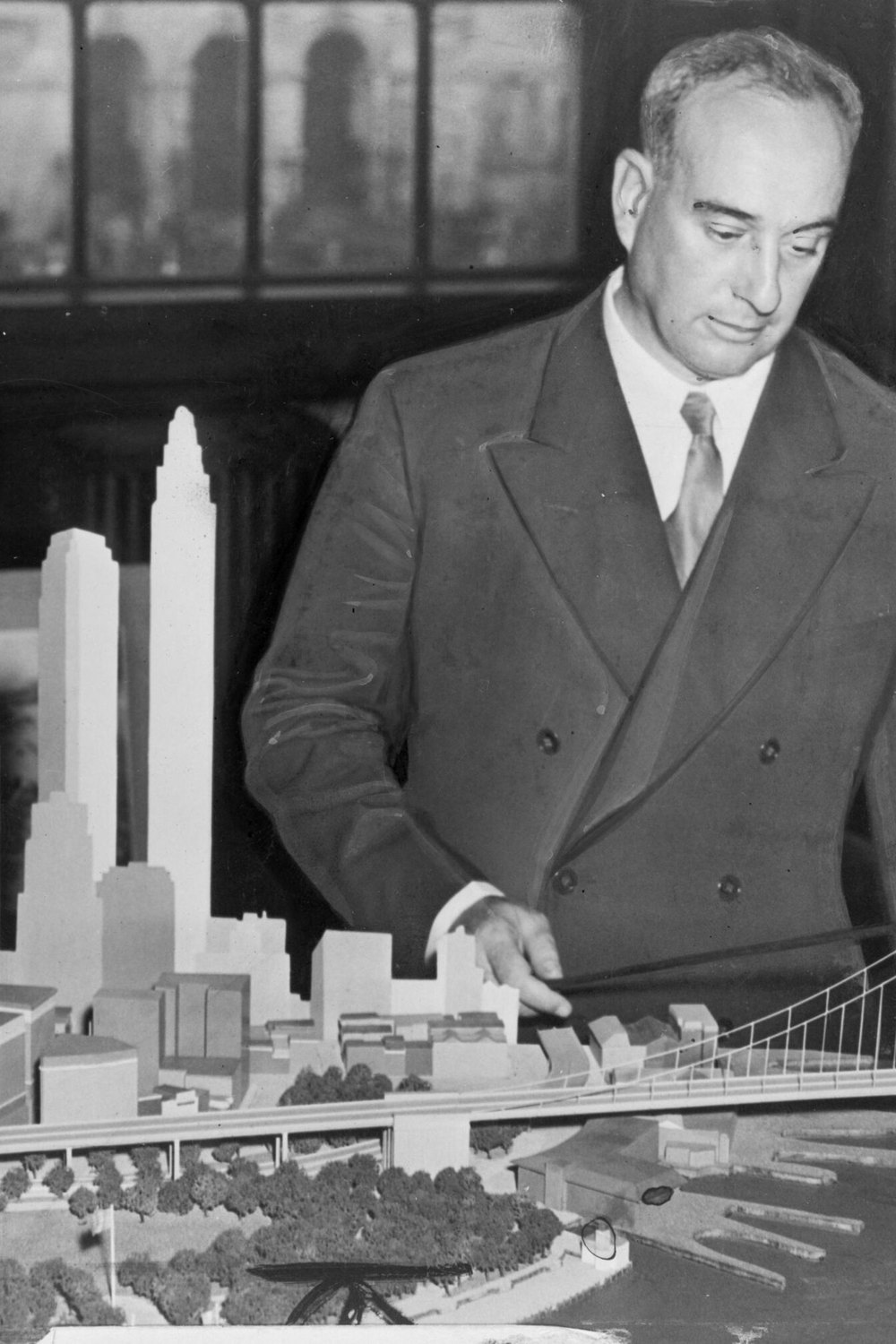
Robert Moses was never elected to anything. For over forty years he out-powered mayors and governors, and built 13 bridges, 658 playgrounds and 627 miles of road. The most famous accusation against him is now itself a…
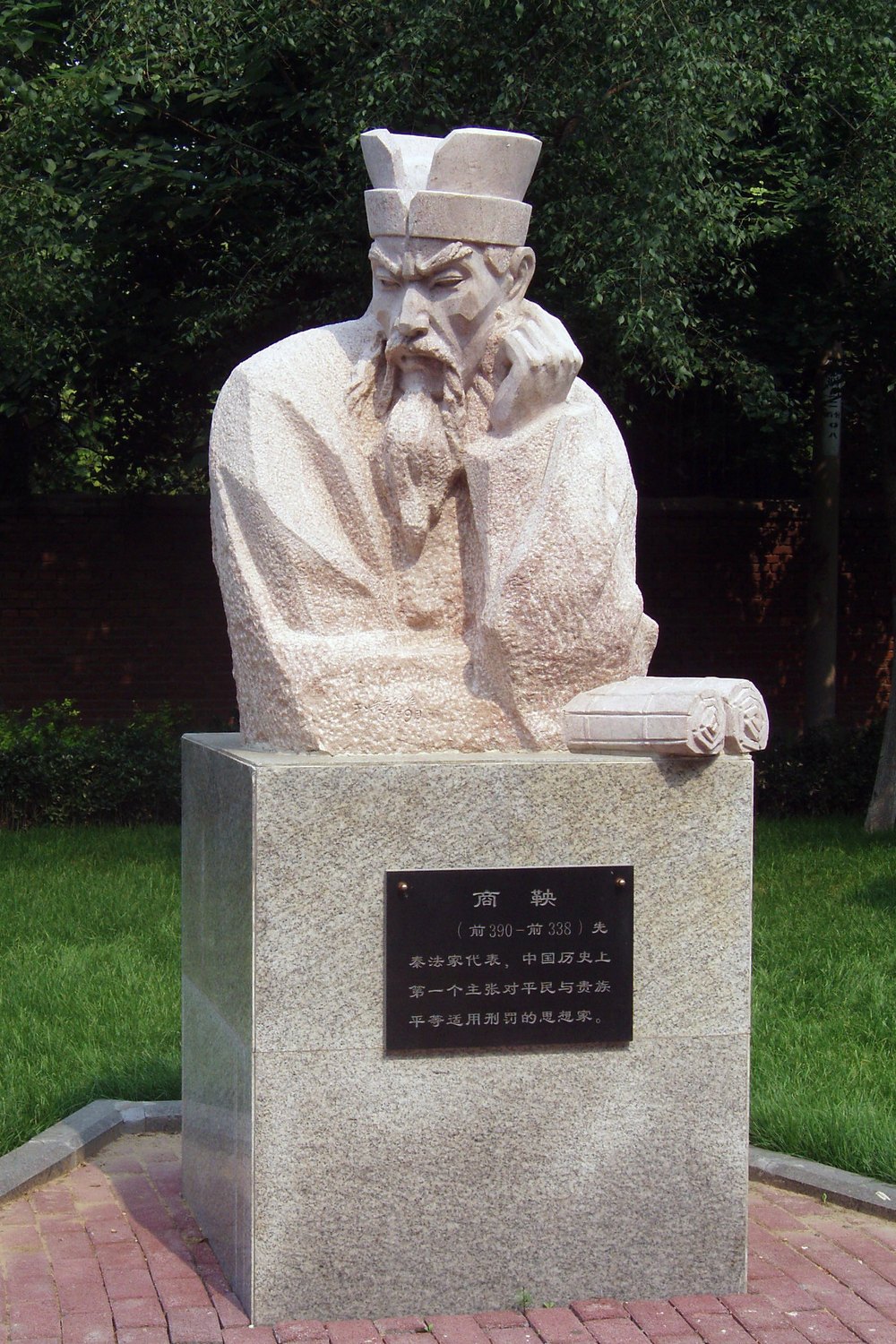
Destroyed By His Own Law
Shang Yang built the ancient world's most efficient police state: household registration, mutual surveillance, papers required to sleep anywhere. Fleeing a coup, he was turned away from an inn by a keeper who explained,…
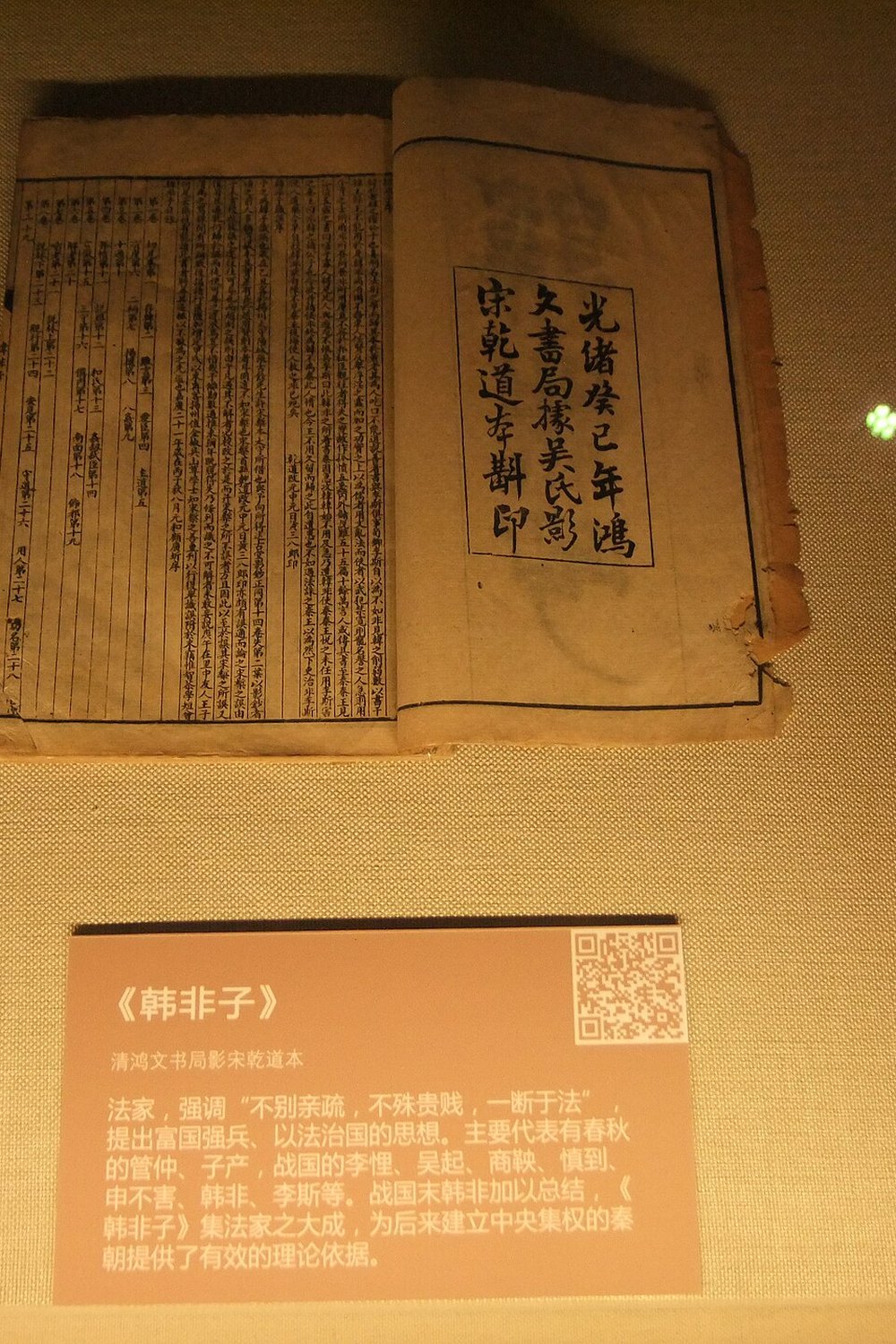
The Classmate's Poison
Han Fei wrote the definitive manual on power: how rulers are deceived, how ministers scheme, how to survive advising a king. The future First Emperor loved the book so much he went to war partly to meet its author. The…
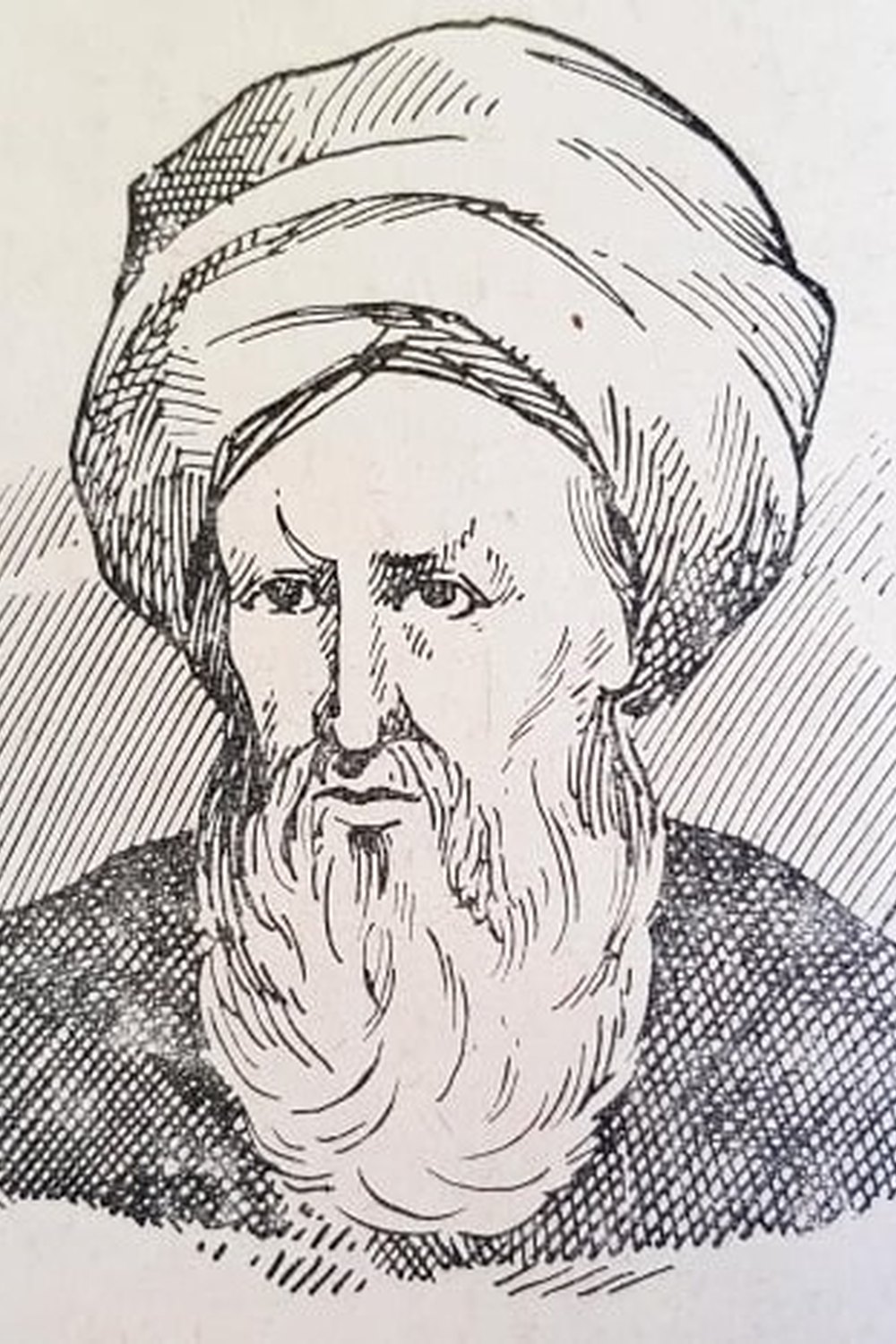
Interview With the Conqueror
Ibn Khaldun had spent his life writing the theory of why empires rise and rot. In January 1401, with Damascus under siege, the seventy-year-old historian went down to the enemy camp and spent a month interviewing the…
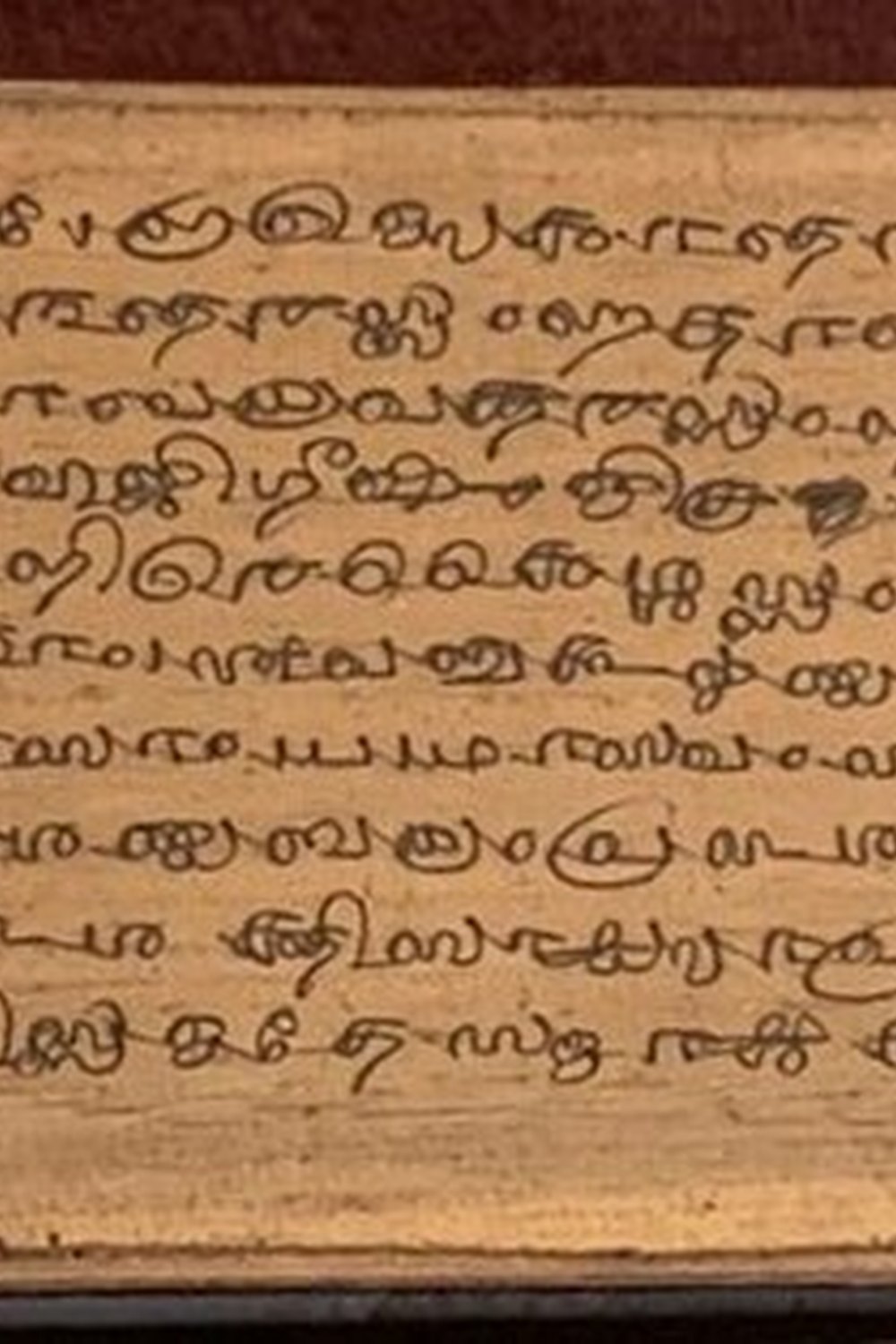
The Librarian's Find
The most ruthless statecraft manual of the ancient world, poisons, spy networks, staged assassinations as routine administration, was lost for centuries. In 1905 a librarian in Mysore found it in a stack of donated…
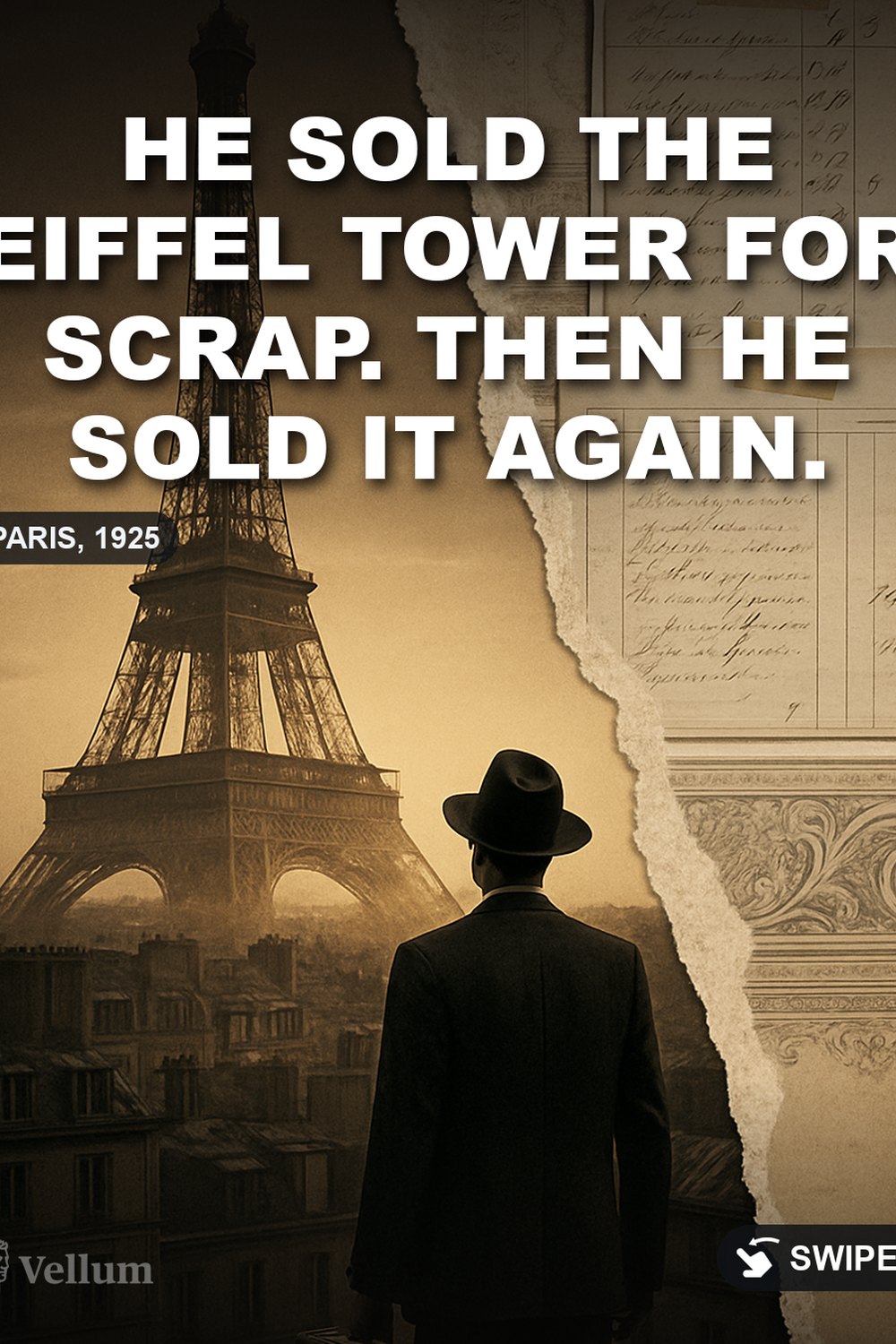
The Man Who Sold the Eiffel Tower: Twice
In 1925 Paris couldn't afford to maintain its own monument. Victor Lustig read one newspaper article about it, printed fake government stationery, and sold the Eiffel Tower for scrap to a buyer too embarrassed to report…
The Ledger That Caught Capone
Al Capone ordered murders in daylight and never saw the inside of a courtroom for any of them. What finally convicted him was arithmetic: a seized ledger and the tax owed on money he officially never earned.
The Money Box
Lustig sold a mahogany box that 'printed' hundred-dollar bills for up to $46,000 a box. The machine worked perfectly for exactly two bills, both real, both loaded by Lustig before the demonstration.
New cases drop daily on  TikTok and
  Instagram. One case a day, one model you can retell.