Power & Greed
Interview With the Conqueror
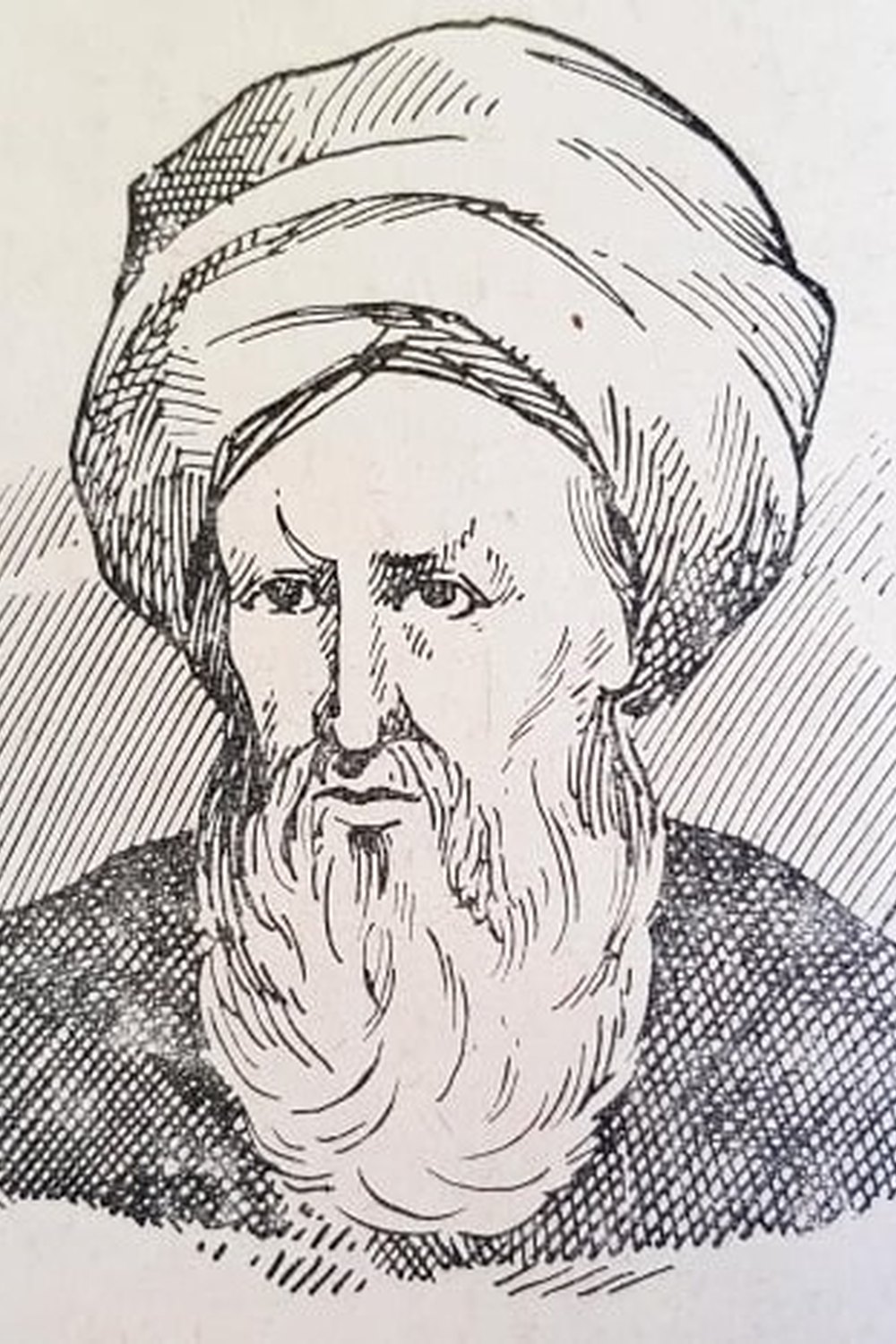
Ibn Khaldun had spent his life writing the theory of why empires rise and rot. In January 1401, with Damascus under siege, the seventy-year-old historian went down to the enemy camp and spent a month interviewing the man doing the destroying: Tamerlane.
Damascus, 1401 · Ibn Khaldun & Tamerlane
What actually happened
The Muqaddimah's cycle, hungry outsiders with group solidarity conquer soft dynasties, then soften in three generations themselves, also contained a tax insight six centuries early: light assessments yield more revenue than crushing ones, because they leave something to grow. Now its author faced the theory's living specimen.
By his own autobiography, Ibn Khaldun was received with curiosity: Timur questioned him for weeks about North Africa's geography and rulers. The historian wrote him a report, and negotiated safe passage for himself and some companions while the city behind them burned.
The popular detail that he was lowered from the walls in a basket appears in the tradition but not securely in his own account; the episode flags it.
The longer arc
By 1401 Ibn Khaldun had already lived the volatile career his own theory described: born in Tunis in 1332, he served and was dismissed by a string of rulers across the Maghreb and Muslim Spain, once spending several years in a rural Algerian castle in enforced retreat, where he drafted the Muqaddimah in 1377. That withdrawal from active politics is what gave him the distance to write a general theory of dynastic rise and decay rather than another court chronicle written to flatter a patron.
After Damascus he returned to Cairo, where he had settled since 1382 and repeatedly held, then lost, the post of Maliki chief judge, six times in all, each tenure cut short by court intrigue or his own reforming zeal. He died there in March 1406, barely a month after his sixth and final appointment to the judgeship, at 73. Timur, the conqueror he had interviewed, died in 1405 while marching east to invade Ming China, so the historian who described empires burning out from within outlived, if only by months, the empire-builder he had studied at close range.
The play to remember
The play.
Understanding the cycle doesn't stop it, but it can buy the theorist a safe exit.
Knowledge is leverage even in a siege.
Was this interesting?
Select an option to vote. You can change it anytime.
Recommended for You
The Ransom Room
A room 22 feet by 17, filled with gold as high as a man could reach. That was the price the Inca emperor offered for his life. The Spaniards took delivery of roughly six tons of gold, then convened a trial in a language…
The Blind Doge
An army of crusaders arrived in Venice 34,000 silver marks short of their shipping bill. The city's doge, blind and by the chronicles around ninety, turned their debt into a repossession of his business rivals, and the…
The Unelected Emperor of New York
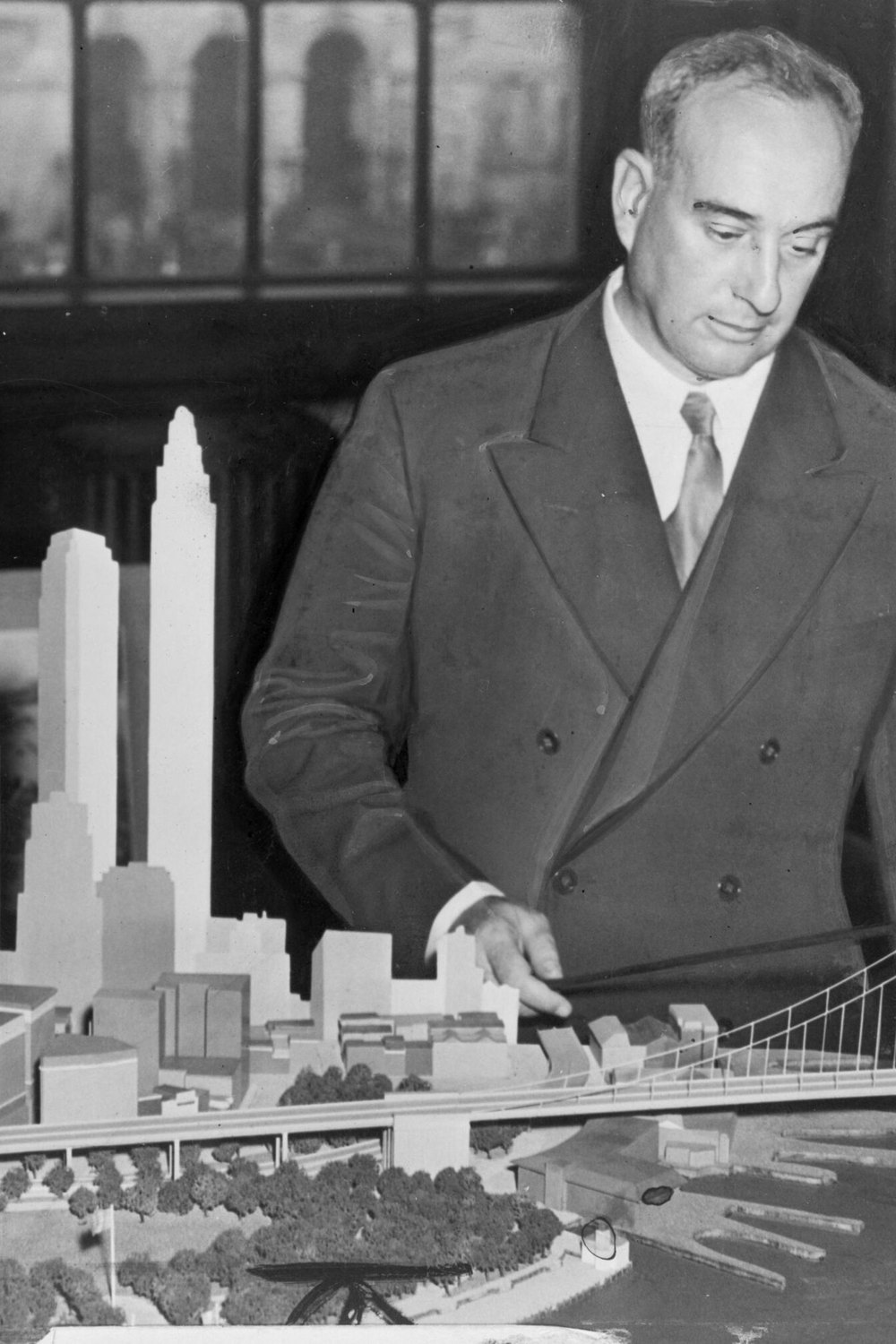
Robert Moses was never elected to anything. For over forty years he out-powered mayors and governors, and built 13 bridges, 658 playgrounds and 627 miles of road. The most famous accusation against him is now itself a…
Destroyed By His Own Law
Shang Yang built the ancient world's most efficient police state: household registration, mutual surveillance, papers required to sleep anywhere. Fleeing a coup, he was turned away from an inn by a keeper who explained,…
The Classmate's Poison
Han Fei wrote the definitive manual on power: how rulers are deceived, how ministers scheme, how to survive advising a king. The future First Emperor loved the book so much he went to war partly to meet its author. The…
The Librarian's Find
The most ruthless statecraft manual of the ancient world, poisons, spy networks, staged assassinations as routine administration, was lost for centuries. In 1905 a librarian in Mysore found it in a stack of donated…
The Man Who Sold the Eiffel Tower: Twice
In 1925 Paris couldn't afford to maintain its own monument. Victor Lustig read one newspaper article about it, printed fake government stationery, and sold the Eiffel Tower for scrap to a buyer too embarrassed to report…
The Ledger That Caught Capone
Al Capone ordered murders in daylight and never saw the inside of a courtroom for any of them. What finally convicted him was arithmetic: a seized ledger and the tax owed on money he officially never earned.
The Money Box
Lustig sold a mahogany box that 'printed' hundred-dollar bills for up to $46,000 a box. The machine worked perfectly for exactly two bills, both real, both loaded by Lustig before the demonstration.
New cases drop daily on  TikTok and
  Instagram. One case a day, one model you can retell.