Power & Greed
The Unelected Emperor of New York
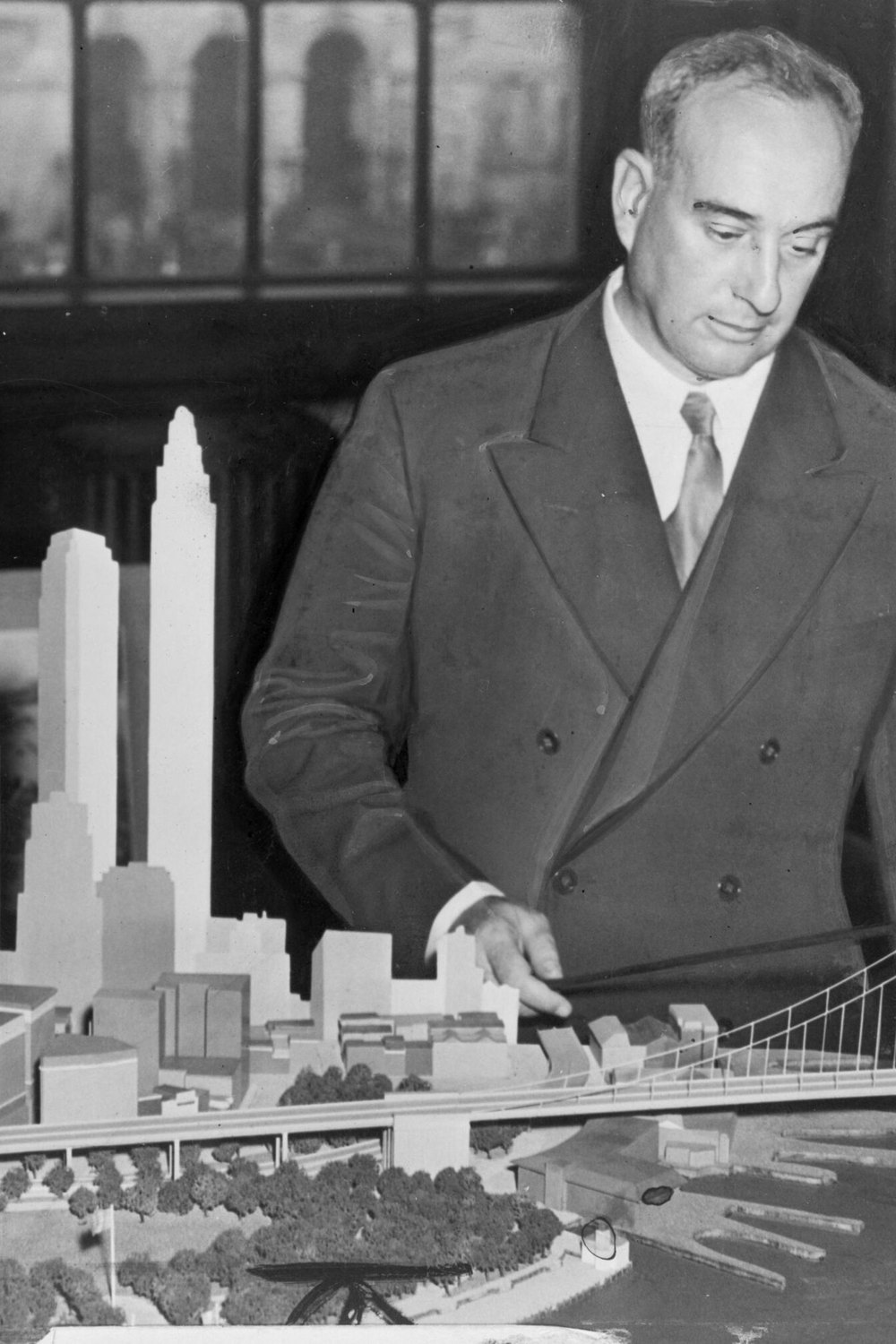
Robert Moses was never elected to anything. For over forty years he out-powered mayors and governors, and built 13 bridges, 658 playgrounds and 627 miles of road. The most famous accusation against him is now itself a contested story.
New York, 1924–1968 · Robert Moses
What actually happened
Moses' innovation was the public authority: toll revenue from his own bridges gave him a budget no legislature controlled and no election could touch. Officials who crossed him found their projects starved; the ones who cooperated found ribbon-cuttings. Robert Caro's The Power Broker mapped the machine and won the Pulitzer.
The story everyone repeats comes from Caro's interviews: that he built Long Island parkway bridges deliberately low to keep buses, and therefore poor and Black New Yorkers, from the beaches. Later scholars (Campanella, Shulman) have contested parts of it: buses did run to Jones Beach, and low parkway bridges predate him elsewhere. The episode presents the dispute itself as the third act: how power legends get built on top of real power.
What isn't contested: entire neighborhoods leveled for expressways, and four decades of public works without a single vote cast for the man.
The longer arc
Moses started as a reformer, not an operator. Yale and Oxford educated, he came out of the progressive civil-service movement and spent his twenties failing to get New York's patronage machine to adopt merit hiring. Governor Al Smith gave him his real break in 1924, letting him build the Long Island state park system and, with it, the Long Island State Park Commission, the template for every public authority that followed. Bonds backed by tolls, not tax votes, meant Moses answered to bondholders and engineers, not voters or the mayors nominally above him.
The fall came the way the rise did: through another authority. In 1968 Governor Nelson Rockefeller folded Moses's Triborough Bridge and Tunnel Authority into the new Metropolitan Transportation Authority, using toll revenue to prop up the subways Moses had always starved. Moses could not fight it: the largest holder of Triborough's bonds was Chase Manhattan, run by the governor's own brother. He took a consultant title that turned out to be empty and died, largely retired, in 1981 at 92. Caro's biography puts the number of people displaced by his projects above a quarter million.
The play to remember
The play.
Control the revenue and you control the map.
Elections govern people; authorities govern money.
Was this interesting?
Select an option to vote. You can change it anytime.
Recommended for You
The Ransom Room
A room 22 feet by 17, filled with gold as high as a man could reach. That was the price the Inca emperor offered for his life. The Spaniards took delivery of roughly six tons of gold, then convened a trial in a language…
The Blind Doge
An army of crusaders arrived in Venice 34,000 silver marks short of their shipping bill. The city's doge, blind and by the chronicles around ninety, turned their debt into a repossession of his business rivals, and the…
Destroyed By His Own Law
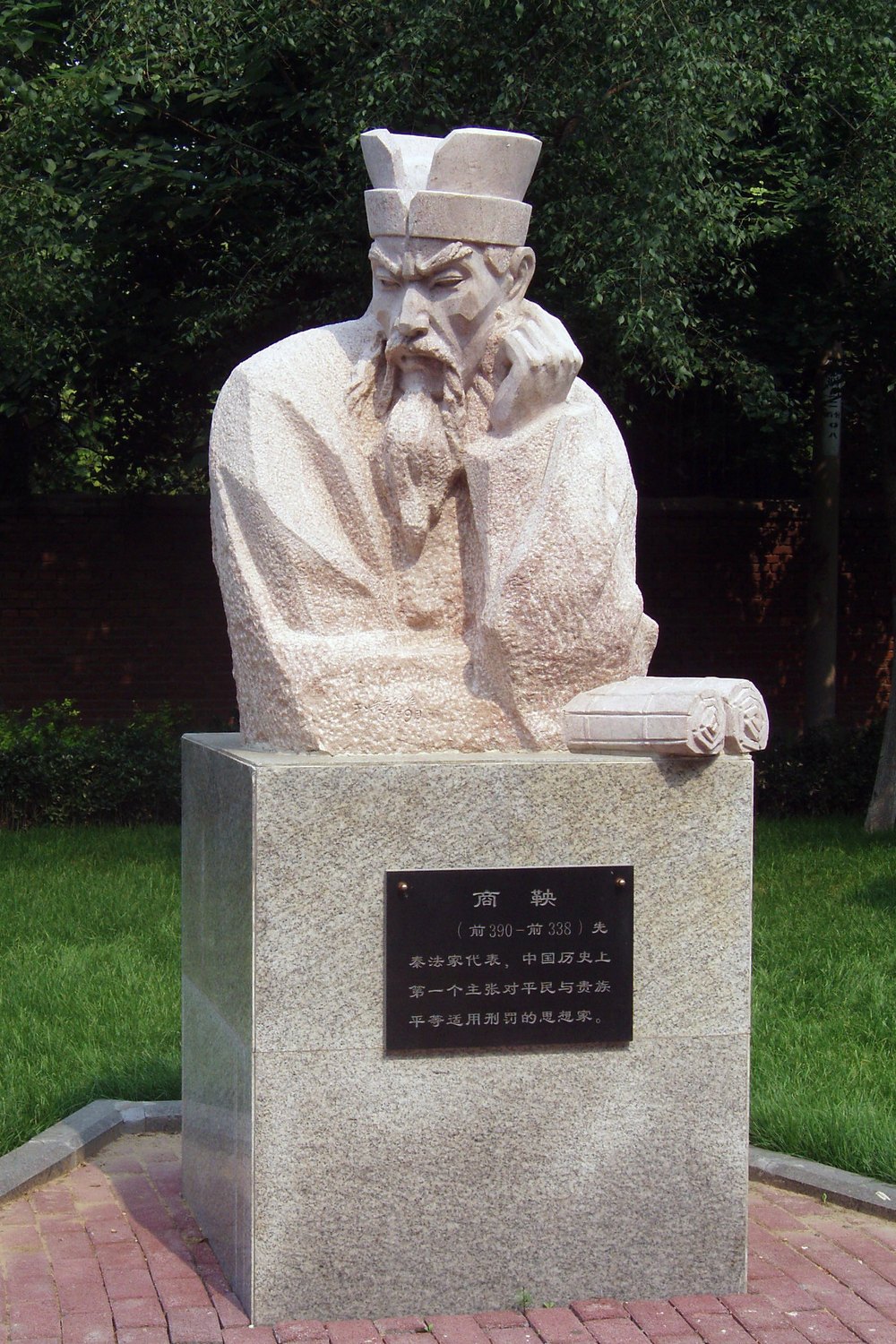
Shang Yang built the ancient world's most efficient police state: household registration, mutual surveillance, papers required to sleep anywhere. Fleeing a coup, he was turned away from an inn by a keeper who explained,…
The Classmate's Poison
Han Fei wrote the definitive manual on power: how rulers are deceived, how ministers scheme, how to survive advising a king. The future First Emperor loved the book so much he went to war partly to meet its author. The…
Interview With the Conqueror
Ibn Khaldun had spent his life writing the theory of why empires rise and rot. In January 1401, with Damascus under siege, the seventy-year-old historian went down to the enemy camp and spent a month interviewing the…
The Librarian's Find
The most ruthless statecraft manual of the ancient world, poisons, spy networks, staged assassinations as routine administration, was lost for centuries. In 1905 a librarian in Mysore found it in a stack of donated…
The Man Who Sold the Eiffel Tower: Twice
In 1925 Paris couldn't afford to maintain its own monument. Victor Lustig read one newspaper article about it, printed fake government stationery, and sold the Eiffel Tower for scrap to a buyer too embarrassed to report…

The Ledger That Caught Capone
Al Capone ordered murders in daylight and never saw the inside of a courtroom for any of them. What finally convicted him was arithmetic: a seized ledger and the tax owed on money he officially never earned.
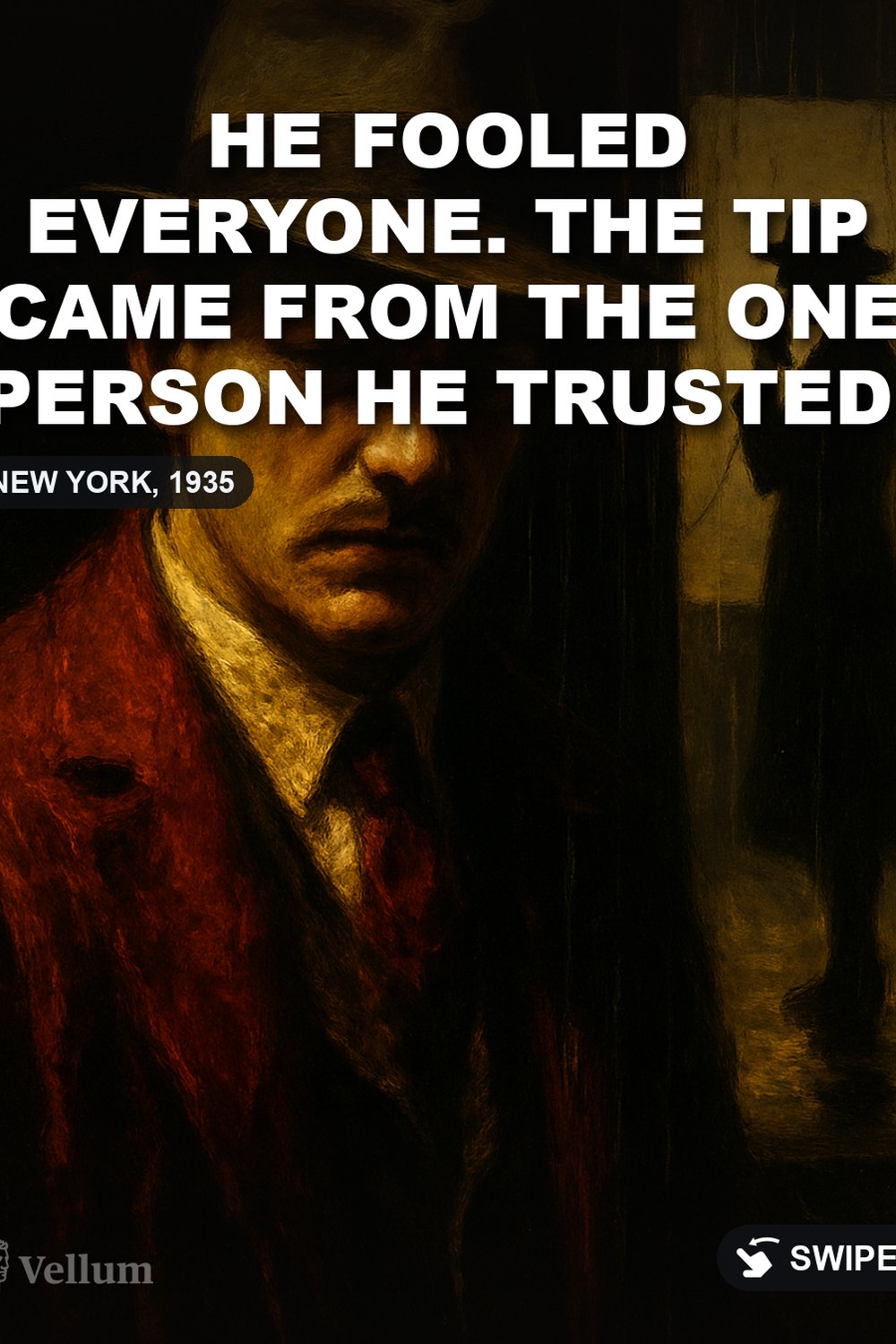
The Money Box
Lustig sold a mahogany box that 'printed' hundred-dollar bills for up to $46,000 a box. The machine worked perfectly for exactly two bills, both real, both loaded by Lustig before the demonstration.
New cases drop daily on  TikTok and
  Instagram. One case a day, one model you can retell.